The countdown is on. Baseball fans are holding their breath. With the current Collective Bargaining Agreement set to expire on December 1, 2026, the sport stands on the edge of a cliff it knows all too well. And now, a Former MLB legend shares perspective on potential lockout talks that could shape the future of the game for generations.
The tension is palpable. Front offices are hesitant to commit big money. Players are watching the calendar. Agents are whispering about a frozen winter. The ghost of 1994 - when a strike wiped out the World Series and nearly killed the sport's momentum - looms over every negotiation table.
This isn't just about money. It's about trust, legacy, and whether baseball can avoid punching itself in the face again.
The Clock Is Ticking: Why December 1 Looms Large
Let's be clear about the stakes. The CBA expires in less than two months. If ownership and the MLB Players Association can't find common ground, we're staring down the barrel of the sport's first lockout since 1994-95 - a labor war that canceled 938 games and permanently scarred a generation of fans.
The climate is already frosty. Free agency rumors have slowed to a crawl. Teams that normally spend big in November are suddenly "evaluating flexibility." Translation? Everyone is bracing for a work stoppage.
📊 December 1, 2026 - The date the current MLB Collective Bargaining Agreement expires, triggering the possibility of the league's first lockout in over three decades.
The issues on the table are massive: luxury tax thresholds, revenue sharing, service-time manipulation, and - most critically - how young players get paid. Both sides have dug in. And with billions of dollars at stake, compromise feels further away than a 500-foot home run.
But one voice from the past is urging calm. And when a Former MLB legend shares perspective on potential lockout consequences, people listen.
The Legend's Take: "Don't Kill the Golden Goose"
A Warning from the Past
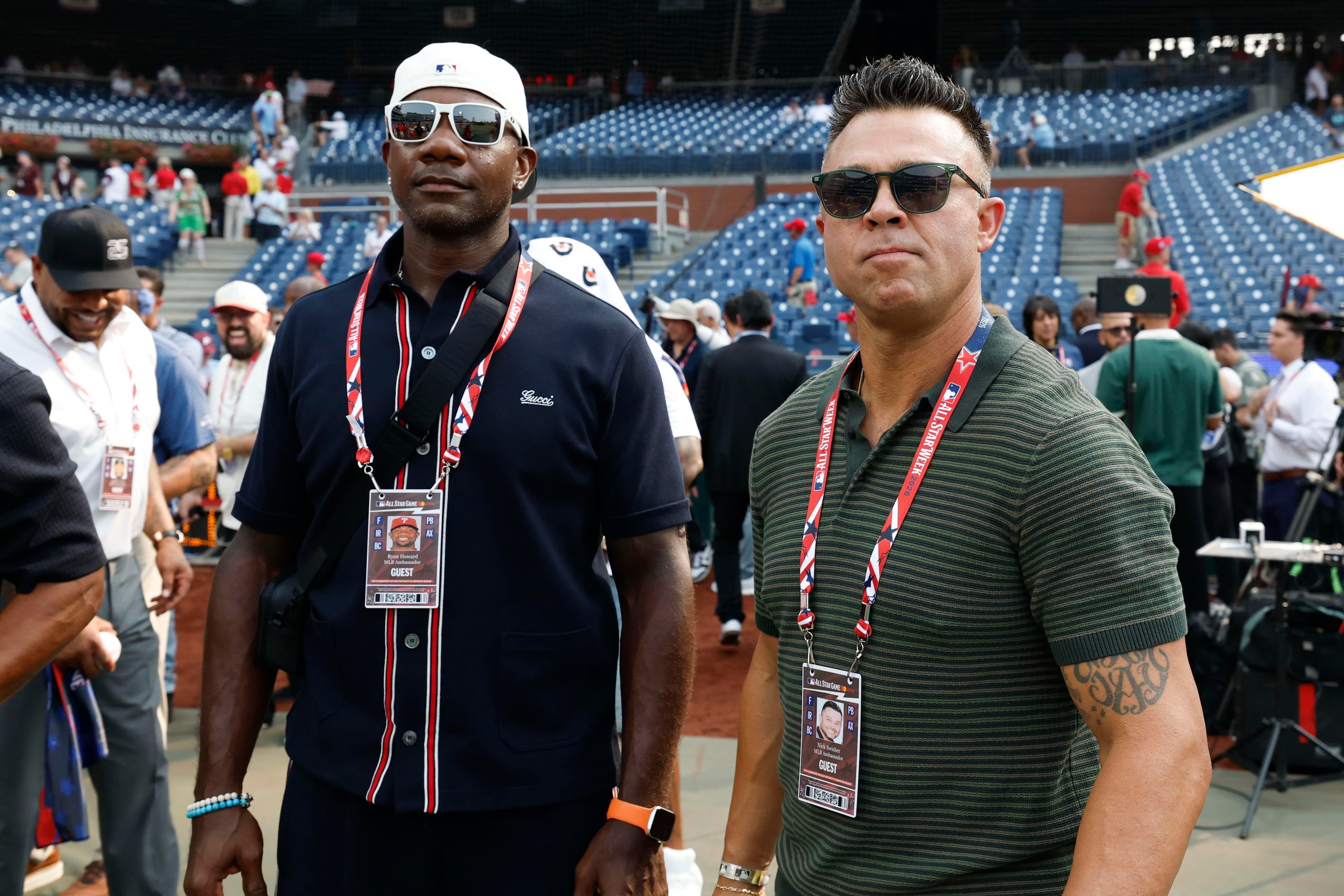
Speaking at a charity event in New York this past weekend, the former All-Star and World Series champion didn't hold back. Having lived through the 1994 strike as an active player, he knows exactly what's at risk.
"I've been in those rooms," he told reporters. "I've seen what happens when ego and greed take over. We lost a World Series. We lost fans who never came back. Don't kill the golden goose, because this game is finally cooking again."
His message was blunt: baseball is surging. Attendance is up. The pitch clock and rule changes have brought energy back. Young stars like Paul Skenes and Gunnar Henderson are must-watch TV. Why risk all of that?
📊 938 games - The number of regular-season games canceled during the 1994-95 MLB strike, the last major labor stoppage to rock the sport.
The legend didn't just blame ownership. He challenged the players, too, urging them to remember that the guys in the clubhouse aren't the only stakeholders. "The fans pay our salaries," he said. "When we stop playing, they stop caring. And some of them never come back."
Money vs. Momentum
The economics are complicated. Small-market owners want a salary cap. Big-market spenders - the Dodgers, Mets, Yankees - want flexibility to keep flexing. The players want to get paid earlier in their careers and stop seeing stars like Ronald Acuña Jr. held back for service-time reasons.
Table: Key Sticking Points in CBA Negotiations
| Issue | Owners' Position | Players' Position |
|---|---|---|
| Luxury Tax Threshold | Keep penalties steep | Raise threshold significantly |
| Revenue Sharing | Redistribute more to small markets | Maintain current system |
| Service-Time Manipulation | Resist automatic free agency | End manipulation via age-based FA |
| Minimum Salary | Modest increases | Substantial raise for young players |
The legend's point? Both sides are risking a golden era. "You can argue about percentages all day," he said. "But if there's no games, there's no pie to split."
What a Lockout Means for the 2027 Season
Here's what fans need to know - and it's not pretty.
Free Agency Freeze: The moment a lockout begins, all transactions halt. No signings. No trades. No arbitration. Teams and players sit in limbo while negotiations drag on.