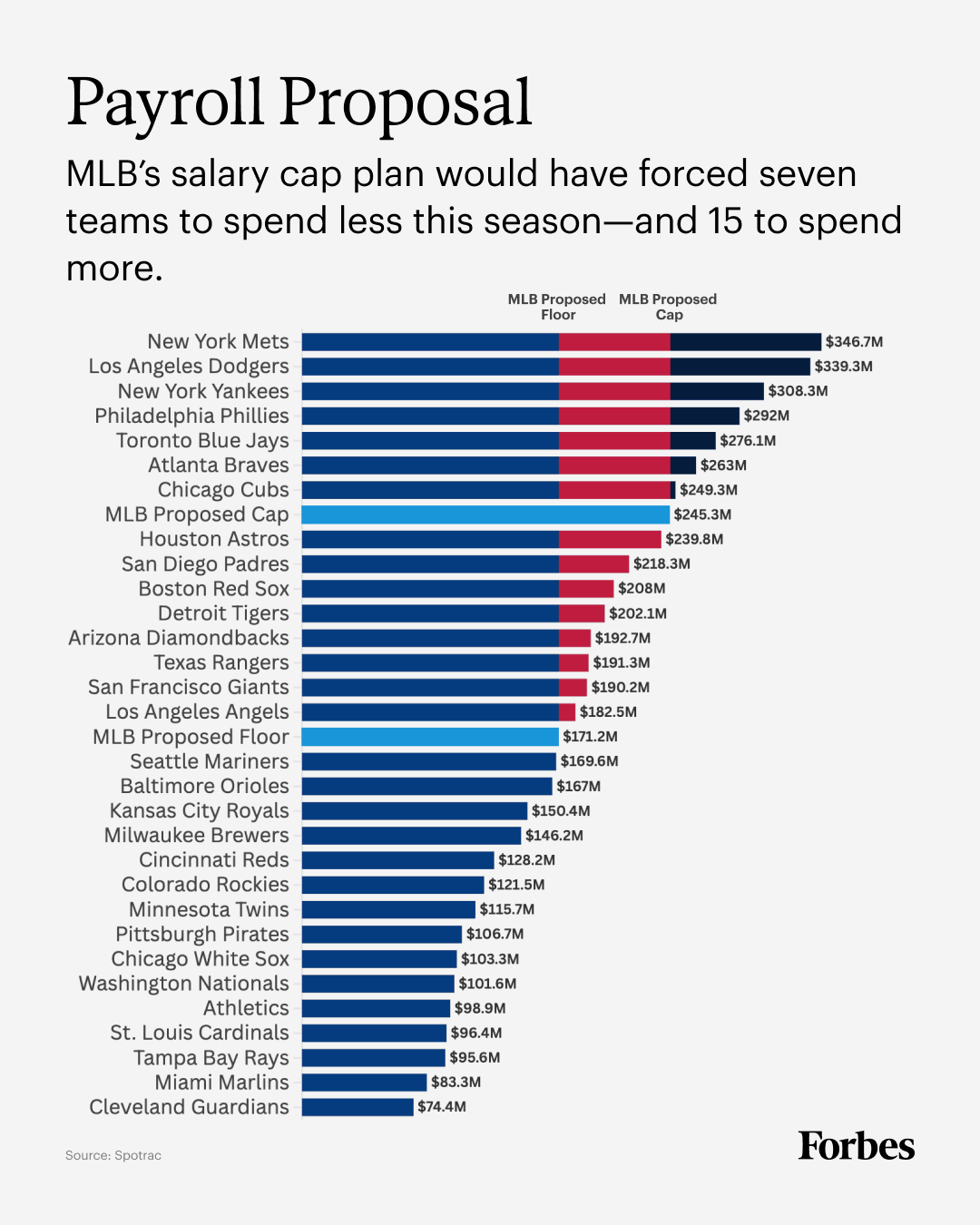
The countdown is on, and baseball fans everywhere feel that familiar knot in the stomach. The current collective bargaining agreement between Major League Baseball and the MLB Players Association expires on December 1, 2026. With less than five weeks until that deadline, the two sides appear nowhere near a deal. The Billion-Dollar Reason MLB Team Owners Are Willing To Risk A Lockout is the storyline nobody wants but everyone needs to understand, because this is a staredown in which one side believes its bottom line can absorb the pain while the other bets it cannot. For a sport still healing from the bruising 2021 - 22 lockout that delayed the 2022 season, the stakes could not be higher. This time, the numbers on the owners' side of the ledger may be too big for them to blink first.
The Math That Keeps Owners at the Table
Here's the reality driving this standoff: the business of baseball has never been richer. According to Forbes' annual MLB valuations, average franchise values now sit comfortably in the billions - a figure that has roughly doubled over the past decade, powered by national broadcast rights, streaming deals, and a real-estate boom around stadium districts. On the players' side, salaries have actually dipped in real terms in recent seasons, and the MLBPA points to a shrinking share of league revenue flowing to those who play the game.
| Factor | Owners' Position | Players' Position |
|---|---|---|
| Leverage | Long-term franchise value & broadcast income | Public goodwill & career-window urgency |
| Key worry | Salary inflation & revenue-sharing gaps | Flat payrolls & a stalled free-agent market |
| Deadline | CBA expires December 1, 2026 | CBA expires December 1, 2026 |
| Historical context | Owners played hardball in 1994 and 2021 - 22 | Players have never accepted a salary cap |
> 📊 The 2022 CBA runs through December 1, 2026 - leaving both sides roughly five weeks to avoid the sport's first work stoppage since 1994 - 95.
That gap between soaring franchise values and stagnating player pay is the fuse. Owners know a lockout costs them short-term gate revenue and goodwill. They also know their asset values keep climbing even while games stop. It's a grim calculus, but it's the one that makes risking a lockout seem survivable - even rational - from the owners' box seats.
The CBA Countdown: What's Actually at Stake
Dig into the bargaining table and the flashpoints are familiar but sharper than ever. The players want to reverse the trend of flat or declining payrolls that has defined free agency in recent winters. They want competitive integrity restored - no more teams treating the luxury tax as a hard cap or pocketing revenue-sharing checks without investing in the roster. Owners, meanwhile, are eyeing expanded playoff formats, international expansion, and a bigger slice of streaming money, and they aren't eager to hand over a larger share of the pie without concessions.
The Billion-Dollar Reason MLB Team Owners Are Willing To Risk A Lockout ultimately comes down to timing and tolerance: the owners believe their financial cushion is deep enough to outlast a work stoppage, and that the players - whose careers are short and whose earnings peak early - will feel the squeeze first. According to The Athletic's labor coverage, both sides have been quietly filing grievances for months, a sign that trust is thin and the negotiating window is shrinking fast.
> 📊 The 2021 - 22 lockout lasted 99 days - a historical reminder that these standoffs drag on, and that the clock from December 1 to Opening Day is brutally tight.
For fans, the anxiety is real. A lockout means no hot-stove rumors, no spring training sunshine, no Opening Day. But understanding why owners are willing to push it this far is the first step toward seeing how this puzzle gets solved - because the same billion-dollar math that makes a lockout survivable for ownership is exactly what could force a deal before the damage gets too deep to stomach. Baseball has been here before. The question is whether both sides learned anything the last time the lights went out.
--- Sources: Forbes MLB Valuations, The Athletic - MLB Labor Coverage