The clock is ticking toward December 1, 2026 - and the union isn't blinking.
The 2026 season will be the last played under the current Collective Bargaining Agreement, which expires on December 1, 2026. That's less than a month away. And the temperature between MLB's owners and the MLB Players Association has gone from simmering to full boil. The MLB players union claps back at owners over the latest CBA salary cap proposal with the same message it has carried for years: a cap is a non-starter, full stop.
The owners' side is no mystery. Commissioner Rob Manfred declared back in February 2025 that MLB would pursue a salary cap in the next CBA, and the league's Economic Reform Committee has been studying revenue-sharing and payroll changes ever since. Through the 2025 - 26 offseason, reports from The Athletic and ESPN described owners discussing a cap paired with a salary floor - a combination designed to sound like compromise but which the union views as a trap. Whether owners have formally submitted dollar figures at the bargaining table in 2026 remains a question fans should watch closely through official league and union channels. What is not in question is the response: Tony Clark and player representatives have rejected a cap on the record, repeatedly, calling it a "non-starter." Meanwhile, the union has run player-meeting tours and a messaging campaign to keep the rank and file unified.
Why the Union Won't Budge - and the Numbers Behind the Standoff
Start with the simple fact: there is no salary cap in MLB, and the MLBPA intends to keep it that way. The union points to the NBA and NHL cap systems as cautionary tales rather than models - structures that cap what stars can earn and give management leverage in every negotiation. MLB's own version of a soft cap, the competitive balance tax, already carries teeth. The 2026 CBT threshold sits at $244 million, with penalties topping 60% for repeat offenders.
> 📊 $244M - the 2026 competitive balance tax threshold, the number at the heart of the fight.
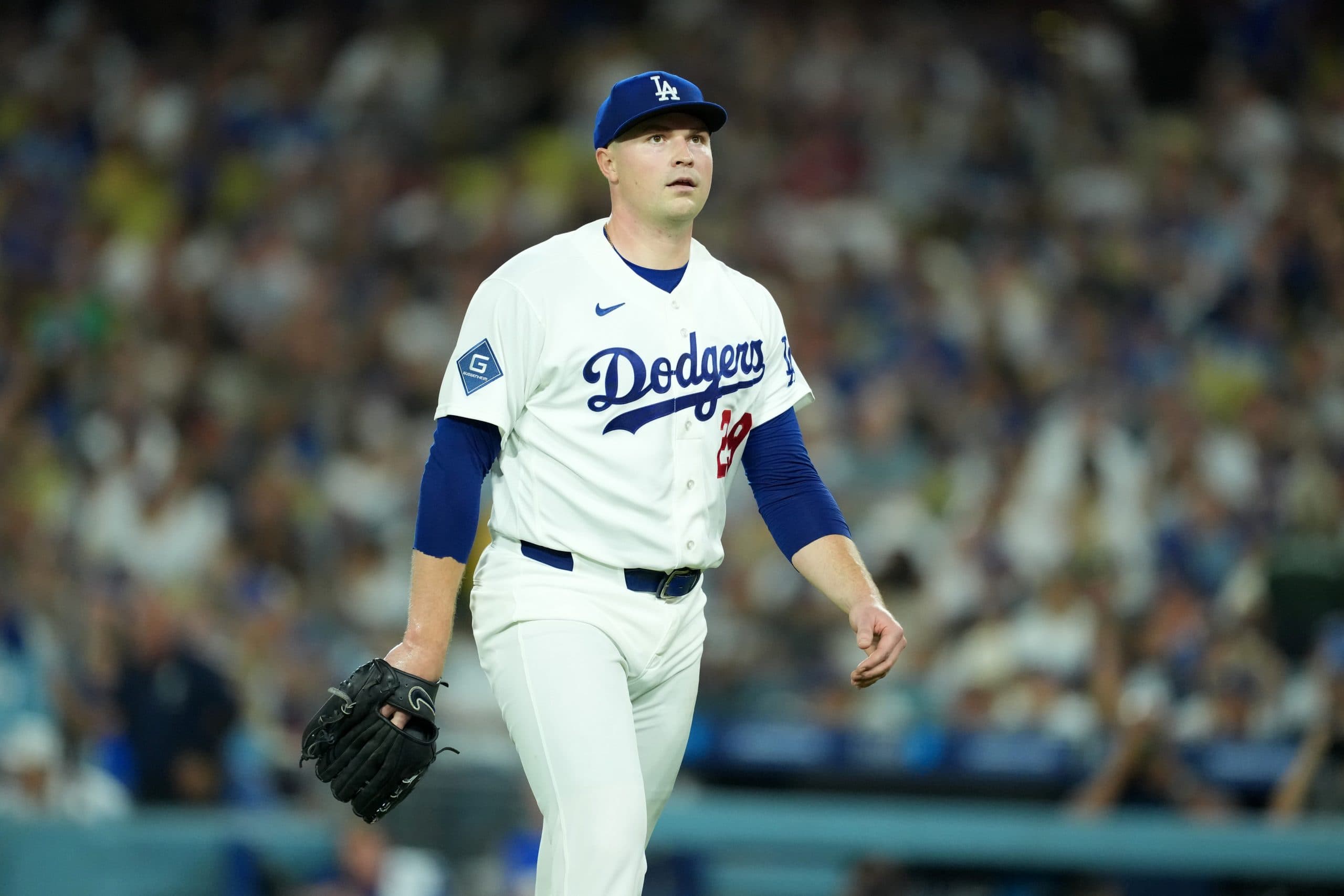
The union's line is that a cap is a cap, whatever you call it. Owners counter that the CBT isn't working - and their Exhibit A is Los Angeles. The 2025 Dodgers ran a reported CBT payroll north of $500 million when deferrals are counted, and the union's grievance over that spending remains unresolved. Expect that ruling to matter as much as any proposal exchanged at the table.
| Item | Detail | Status |
|---|---|---|
| CBA expiration | December 1, 2026 | 2026 is final season under deal |
| 2026 CBT threshold | $244M | Top penalties 60%+ for repeat offenders |
| Salary cap in MLB | None exists | MLBPA: "non-starter" |
| Manfred cap pursuit | Declared February 2025 | Economic Reform Committee studying changes |
| Dodgers deferral grievance | Reported ~$500M+ CBT payroll | Unresolved |
The stakes are enormous: miss the December 1 deadline and a work stoppage threatens the 2027 season - a rerun of the 99-day lockout that stretched from December 2021 into March 2022 before this very CBA was signed.
What to Watch Next
Keep your eyes on three things. First, bargaining session dates and whether formal proposals - with actual dollar figures - get exchanged. Second, the Dodgers deferral grievance ruling, which could pour gasoline on the owners' "competitive balance" argument or kneecap it entirely. Third, fresh 2026 CBT payroll data, the owners' favorite talking point and the union's favorite rebuttal.
> 📊 December 1, 2026 - the CBA expiration date that decides whether baseball opens 2027 on time.
Player voices will only get louder as the deadline closes in. Expect more public statements from reps, more union messaging, and more pressure on ownership to move off the cap. For ongoing coverage of the labor fight, you can follow the Associated Press's baseball reporting and the official MLBPA communications as the deadline approaches.
Bottom line: This is a staredown, not a negotiation - and Get Sports Journals will be tracking every pitch.