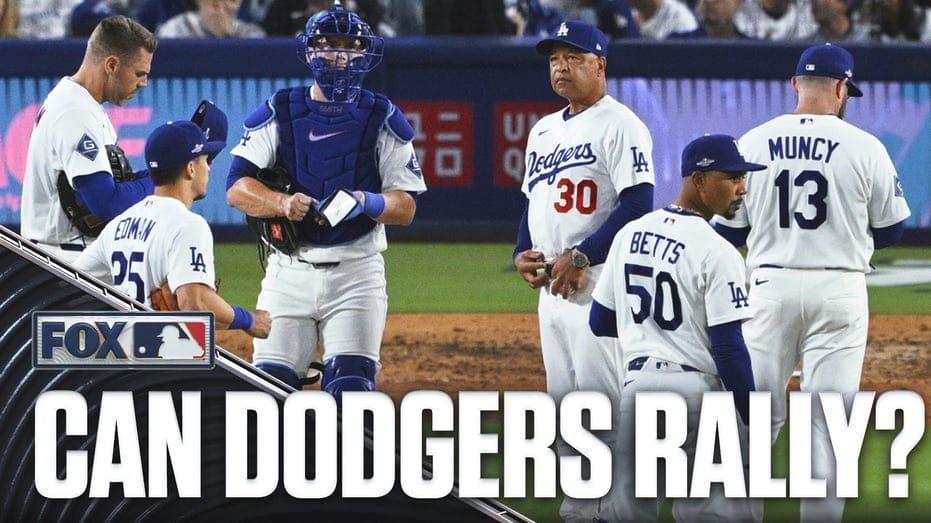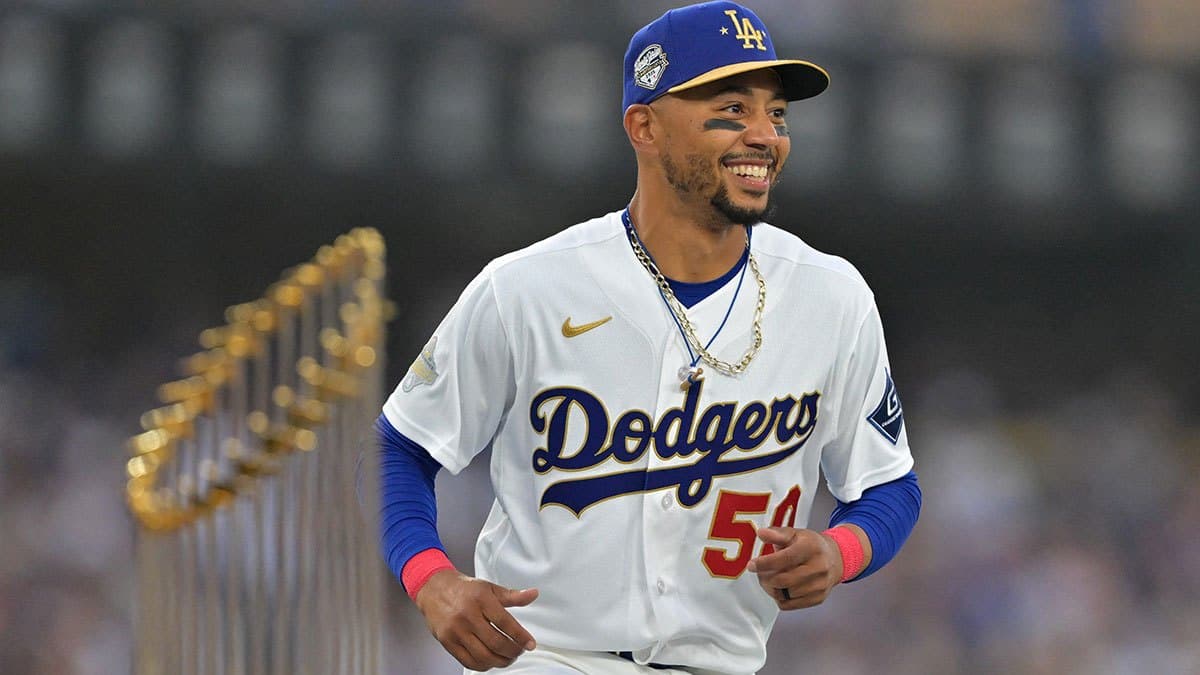
The Los Angeles Dodgers are down. They are not out. After dropping Game 1 of the National League Championship Series to the Milwaukee Brewers on October 11, Mookie Betts found a silver lining in a loss that, in his own words, "obviously sucks" - and buried inside that blunt assessment is a roadmap for what comes next.
Betts didn't run from the frustration. He didn't let it swallow him, either. For a Dodgers team that has lived this movie before, that distinction could decide everything as the series shifts into high gear.
What Went Wrong in the Series Opener
Game 1 stung. Plain and simple.
The Dodgers had their chances - traffic on the bases, quality at-bats against a Brewers staff that came out firing - but Milwaukee delivered when it mattered. L.A. didn't.
The Brewers played hungry. American Family Field shook. And Milwaukee's arms kept the Dodgers off balance just long enough to steal the opener on their own turf, grabbing early control of a series everyone expected to be a heavyweight fight.
The bullpen decisions had Dodgers fans scratching their heads. Missed opportunities at the plate kept piling up. In October, when every at-bat carries the weight of a season, those margins get magnified tenfold.
Here's the thing, though: one game does not a series make. This Dodgers core knows that better than almost anyone.
Betts was blunt afterward. The loss "obviously sucks." No spin. No excuses. No pretending it didn't hurt. But his postgame demeanor said something louder than the scoreboard - this team isn't panicking. There's a difference between losing a game and losing your way. The Dodgers walked out of Game 1 still knowing exactly who they are.
📊 The Dodgers dropped Game 1 on the road despite generating scoring opportunities throughout the night - a frustrating script that flips fast if the lineup converts in Game 2.
The Silver Lining Betts Is Clinging To
This is where Betts' leadership shines brightest.
Instead of dwelling on what slipped away, he pointed to the fight his team showed. The quality at-bats. The late-inning pressure. The fact that L.A. had real chances to steal this one on the road against a tough Milwaukee club. In October, those things matter - because the teams that win championships are usually the ones that keep generating opportunities even when the results aren't falling.
Betts' message is clear: the Dodgers lost a battle, not the war.
His optimism isn't just lip service, either. History backs him up. This core has climbed out of series deficits before, and Betts himself has been the spark in those turnarounds - the guy who turns a quiet clubhouse into a rolling juggernaut with one big swing or one momentum-shifting play.
The clubhouse vibe, by all accounts, reflects that steady confidence. No finger-pointing. No panic. No talk of must-wins in October... yet. Just a veteran group that understands how series ebb and flow.
Table: Dodgers' Recent Postseason Resilience (Historical Context)
| Situation | Result | Outcome |
|---|---|---|
| Game 1 loss, prior series | Bounced back in Game 2 | Series won |
| Road deficit in October | Rally behind Betts' spark | Deep run |
| Facing elimination pressure | Veteran core responded | Advanced |
Historical context: This Dodgers core has repeatedly answered adversity in October.
📊 Betts' message: L.A. lost a battle, not the war - and this veteran clubhouse has the receipts to prove bounce-backs are the norm, not the exception.
Why Game 2 Is a Must-Win (and How L.A. Gets It Done)
Let's be honest - going down 0-2 heading back to Dodger Stadium is a hole nobody wants to climb out of, even a team as talented as this one. The math on October comebacks isn't kind. But there's a blueprint for a bounce-back, and the Dodgers have the pieces to execute it.