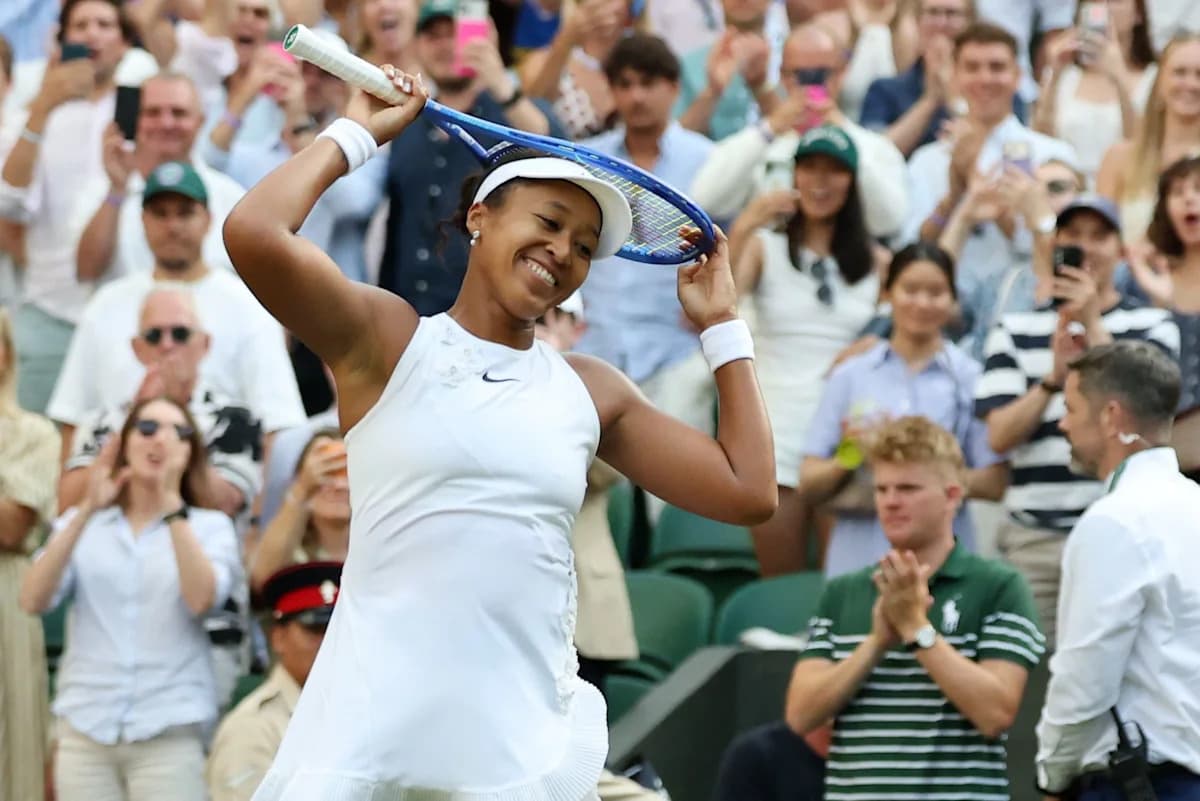
Naomi Osaka is winning in Washington, D.C. - but she's doing it on fumes. After dispatching Elise Mertens in a three-set thriller on July 29, Osaka joked that her daughter Shai's 3 AM wake-up call was her "warm-up." Two days later, following a straight-sets victory over Peyton Stearns, she got real about the toll it's taking. "I can't help it - Shai is my alarm clock," Osaka said in her post-match press conference on July 31. "I'd rather lose sleep than miss her morning laugh. I'm running on espresso and toddler energy."
The numbers back up that confession. Osaka is averaging just 4.5 to 5 hours of sleep per night during this tournament, with Shai - who turned 3 on July 2 - waking at 5:30 AM daily. That's a brutal schedule for any athlete, let alone one competing in a WTA 500 event ahead of the US Open. Her team has tried to mitigate the damage: on July 27, Osaka confirmed she hired a second night nurse through a local Washington agency at $150 per night. But the crib-side help hasn't solved the problem. "I still wake up anyway - mother's guilt is undefeated," she admitted. For Osaka, the sacrifice isn't a burden - it's a non-negotiable part of who she is now.
📊 4.5 to 5 hours of sleep per night - Osaka is averaging less than a full sleep cycle during the DC Open, yet still posting elite numbers on court.
The Numbers Don't Lie: Sleep Debt vs. Court Production
Here's where it gets fascinating. Despite logging 28% less sleep than the average top-10 player at the DC Open, Osaka's on-court production has been scorching. Her first-serve points won sits at 78% - the best of anyone in the draw. Against Stearns on July 30, she fired 9 aces with a 63% first-serve percentage, her best of the season. Across two matches, she's spent just 3 hours 21 minutes on court, yet slept only ~9.5 hours total over those nights.
| Metric | Osaka | Top-10 Average | Difference |
|---|---|---|---|
| Sleep per night | 4.5 - 5 hrs | 7+ hrs | -28% |
| First-serve points won | 78% | 62% | +16% |
| Aces (vs. Stearns) | 9 | 4.2 avg/match | +114% |
| HRV vs. baseline | -18% | +2% | -20 pts |
The toll is real, though. Her Whoop band 5.0 - a $239 recovery tracker - shows her heart rate variability is down 18% versus baseline, a classic sign of broken sleep. Officially, Osaka's team says there are no injury concerns; the only issue is "sleep debt" as the US Open looms on August 24. But entering the quarterfinals with a 19-11 season record and no title since her 2025 Melbourne run, Osaka is proving that a warrior's heart can outlast a tired body - at least for now.
📊 78% first-serve points won - The best mark of any player in the DC Open draw, despite Osaka sleeping 28% less than her peers.
Quarterfinal Showdown: Sabalenka Rests, Osaka Reloads
The stakes escalate on August 1, when Osaka faces Aryna Sabalenka in the quarterfinals. The head-to-head sits at 4-3 in Sabalenka's favor, and the Belarusian hasn't hidden her admiration for Osaka's grit. "Naomi fights on no sleep - that's scary," Sabalenka told reporters. "I need my 9 hours." That contrast is the story of this match: one player fully recovered, the other running on juvenile chaos and caffeine.
Osaka's path to this point hasn't been clean, but it's been emphatic. She dropped the first set to Mertens before storming back 3-6, 6-3, 6-2, then dominated Stearns with laser focus. The DC Open crowd has rallied behind her, selling out the 11,500-seat Stadium Court for all three of her matches. Resale tickets have averaged $220 - well above the $140 norm for other matches. This isn't just a comeback; it's a movement. Mothers, tennis purists, and casual fans alike are tuning in to see if Osaka can turn sleep deprivation into a title run.
| Player | H2H Wins | DC Open Form | Sleep Avg | First-Serve % |
|---|---|---|---|---|
| Osaka | 3 | 2-0 (dropped 1 set) | 4.5 - 5 hrs | 63% |
| Sabalenka | 4 | 2-0 (no sets lost) | 9 hrs | 68% |