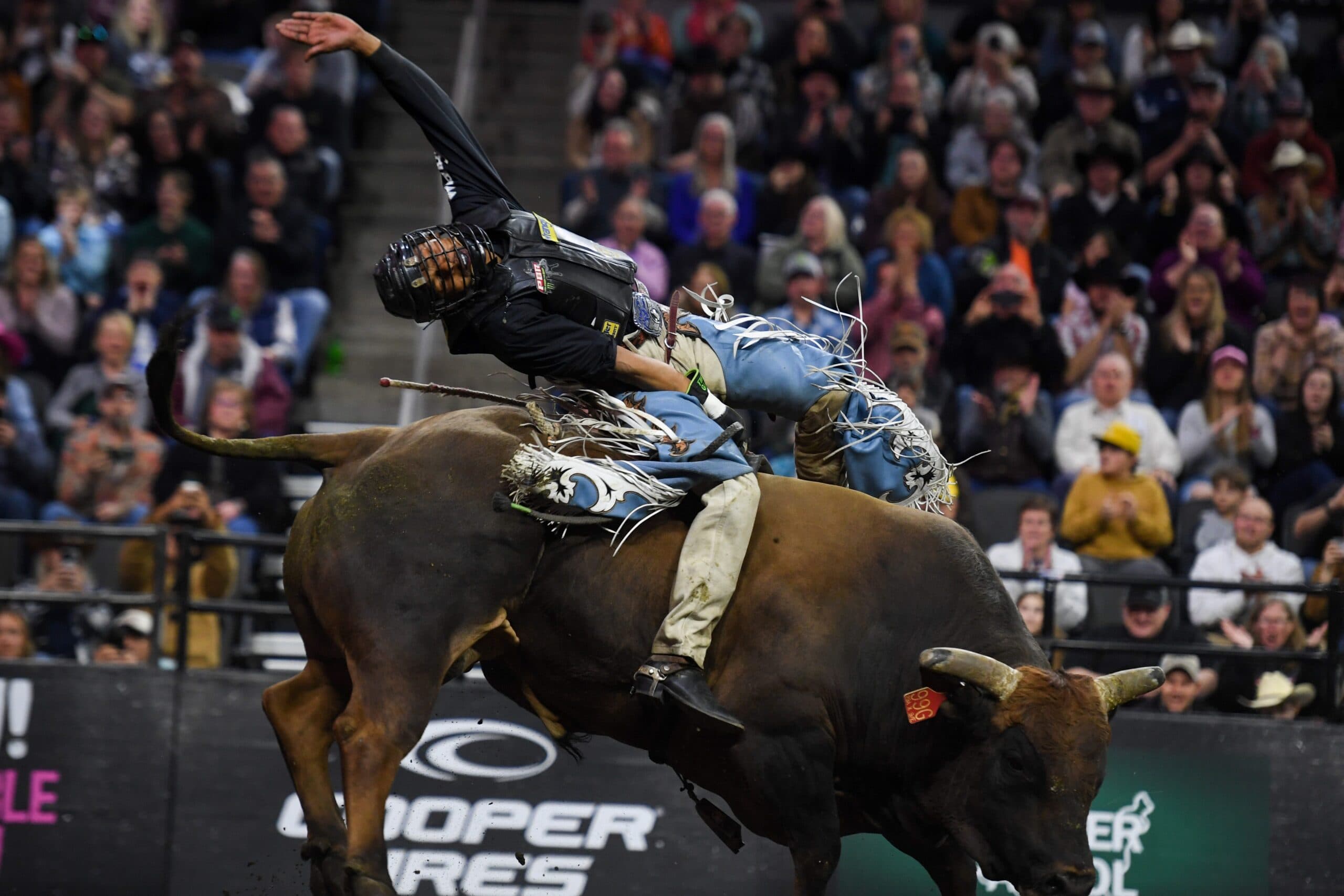
Picture the scene. A NASCAR driver, still buzzing from the roar of an engine, trades 3,400 pounds of American steel for 1,800 pounds of pure, bucking fury. Off comes the helmet, on goes the cowboy hat, and for one glorious moment the swagger is undeniable. Then the chute gate swings open, and the regret hits faster than a restart at Talladega.
Let's be crystal clear up front: as of November 21, 2026, there is no confirmed, date-stamped news event behind this headline. What we have here is a crossover stunt - the kind of viral segment that lives and breathes in the social-clip economy - and that's exactly why it's worth talking about. "NASCAR Star Tries Bull Riding, Immediately Regrets It" is best understood as a phenomenon, not a box score. It's the collision of two worlds that share a fan base, a love of danger, and absolutely zero shared muscle memory.
The anatomy of the regret is what makes it sing. First comes the pre-ride bravado: the hat tip, the rope grip, the confident nod to the camera. Then the eight-second countdown, that cruel rodeo standard separating the fearless from the foolish. And then the instant reality check - the first lurch, the loss of balance, the wide-eyed realization that this animal has not read the script. Drivers who command a race car with surgical precision suddenly find themselves passengers on a ride with no steering wheel, no brakes, and no HANS device.
Why Stock Car and Stock Bull Worlds Keep Colliding
The Appeal of the Crossover
The shared DNA is real. Speed, danger, split-second decisions, and a fan base that packs a stadium for both - that's the glue that keeps promoters and TV segments pairing NASCAR personalities with rodeo exhibitions, PBR-style events, and promotional stunts. A driver who controls a full-field pack at 190 mph naturally looks like a candidate for the next big crossover. The built-in drama writes itself: the man who tames a race car suddenly has zero control over the animal underneath him.
That control gap is the whole show. In the car, the driver is the boss - every input deliberate, every correction measured. On the bull, every input is a negotiation with a creature that weighs as much as a mid-size SUV and has opinions. Promoters love it because the stakes are instantly legible to anyone watching, even someone who's never seen a green flag drop. The NASCAR Star Tries Bull Riding, Immediately Regrets It formula works because every fan understands, on sight, that this is a bad idea - and every fan wants to see it anyway.
The Gap Between Cockpit and Chute
Contrast the skillsets honestly, because that's where the comedy lives. In the cockpit, a driver is strapped into a harness inside a steel cage, protected by a HANS device, conditioned for G-forces and millisecond precision. In the chute, it's a rope, spurs, and bareback balance - and the complete absence of any mechanical assist whatsoever.
| Element | Race Car | Bucking Bull |
|---|---|---|
| Weight | ~3,400 lb car | ~1,800 lb animal |
| Control | Full: wheel, throttle, brakes | Zero: rope grip only |
| Protection | Harness, HANS device, steel cage | Rope, spurs, athletic tape |
| Success measure | Precision and lap time | Eight seconds upright |
| Predictability | Engineered | Wildly unpredictable |
> 📊 Eight seconds - The rodeo standard that separates the fearless from the foolish; most viral bull-riding attempts from non-riders end well before the buzzer.
Driver conditioning builds bodies for sustained G-loads and fine motor control at speed - not for the unpredictable torque of a bucking bull. That mismatch is precisely why the "regret" is inevitable, and precisely why it's entertainment gold.