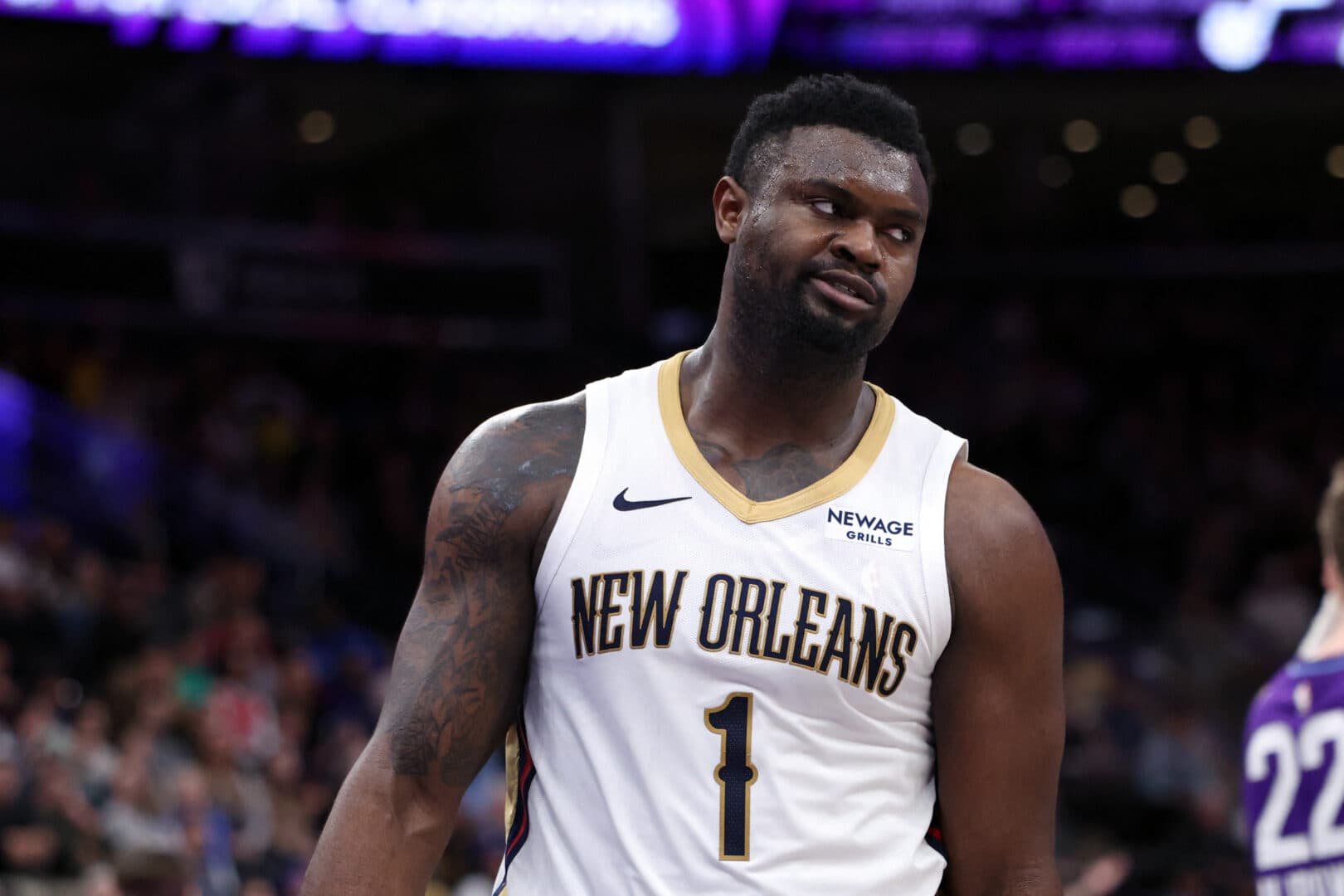
The turkey's gone. The leftovers are stacked. And across the league, front offices are quietly window-shopping. Welcome to NBA Black Friday: 10 Players Contenders Could Acquire At A Discount - our annual spin through the league's bargain bin, where smart teams find playoff-ready rotation pieces at clearance-rack prices.
Here's the thing about the modern NBA: the shopping window opens earlier than ever. With the new collective bargaining agreement's apron system fully weaponized, over-the-tax teams feel the squeeze from day one of the regular season, not just at the February deadline. Talented players shake loose in December. And the teams with flexibility - and nerve - pounce while everyone else is still running Black Friday scenarios on their spreadsheets.
Why Black Friday Shopping Hits Different for NBA Contenders
Let's set the table. Under the current CBA, the second apron functions like a hard spending ceiling for the league's biggest spenders, per NBA.com's explainer on the apron rules. Cross it and you lose access to mid-level exceptions, you can't aggregate salaries in trades, and your draft picks freeze. Translation: contenders with bloated payrolls need salary relief, and relief always arrives at a discount price.
The seller's logic is simple. A lottery team with a pricey veteran on an expiring deal gains nothing by holding him - every win hurts their draft odds. So they flip him for second-rounders, salary filler, or simply the ability to duck the tax line. The buyer's logic is simpler still: land a playoff-caliber contributor without surrendering a first-round pick or a core rotation piece.
Contending front offices love a discount because the margins are razor-thin. One bench upgrade - a guard who can spell the starters in a seven-game series, a big who survives switches - can swing a second-round matchup. And with the deadline months away, early movers pay pennies on the dollar compared to February panic prices.
> 📊 Trade prices historically climb as the deadline approaches - contenders who shop early consistently land the best value-per-asset deals of the season.
That's the whole game with NBA Black Friday: 10 Players Contenders Could Acquire At A Discount. The shelves are stocked now. They won't be in March.
The Ten Discount Bins: Where the Value Is Hiding
This year's bargain inventory sorts cleanly into three bins. Desk's note: names and team situations get confirmed against live reporting before the shopping list goes to print - the structural logic below is the evergreen part, and it holds every single year.
Reclamation guards on expiring deals
The classic Black Friday special: a 28-to-33-year-old guard putting up perfectly respectable numbers - think 12 to 15 points and five assists a night - on a team going nowhere. He's a placeholder starter, a mentor, or both. His contract expires in June, which means his current team has zero leverage and even less patience. Asking price: a pair of second-rounders and salary ballast.
> 📊 Expiring contracts are the league's most reliable trade currency - the shorter the deal, the lower the asking price, year after year.
For a contender, this is the sweet spot. You're not paying for upside; you're paying for steady hands in Games 5 through 7. A buy-low guard who shoots in the high 30s from deep and doesn't turn it over can swing a series - and he'll cost less than a mid-level exception's worth of hassle. Compare prices to what mid-tier guards fetched in recent deadline markets, and the math loudly favors early shoppers.
| Trait | Minimum Bar | Why It Matters |
|---|---|---|
| Catch-and-shoot 3P% | 36%+ | Spacing for stars in playoff half-court |
| Turnover rate | Below league average | Possessions are gold in May |
| Contract structure | Expiring | Zero long-term cap risk |
| Playoff experience | Any | Cheap insurance over unproven youth |
Rotation bigs squeezed out of a crowded frontcourt
Nothing gets discounted faster than a competent center on a team that just drafted two more of them. Frontcourts overload in this league like strip-mall parking lots on Black Friday - too many bodies, not enough minutes. A 20-minute big who rebounds, sets real screens, and survives on a string in drop coverage suddenly can't find the floor. His value plummets in the box score even though his playoff utility doesn't.