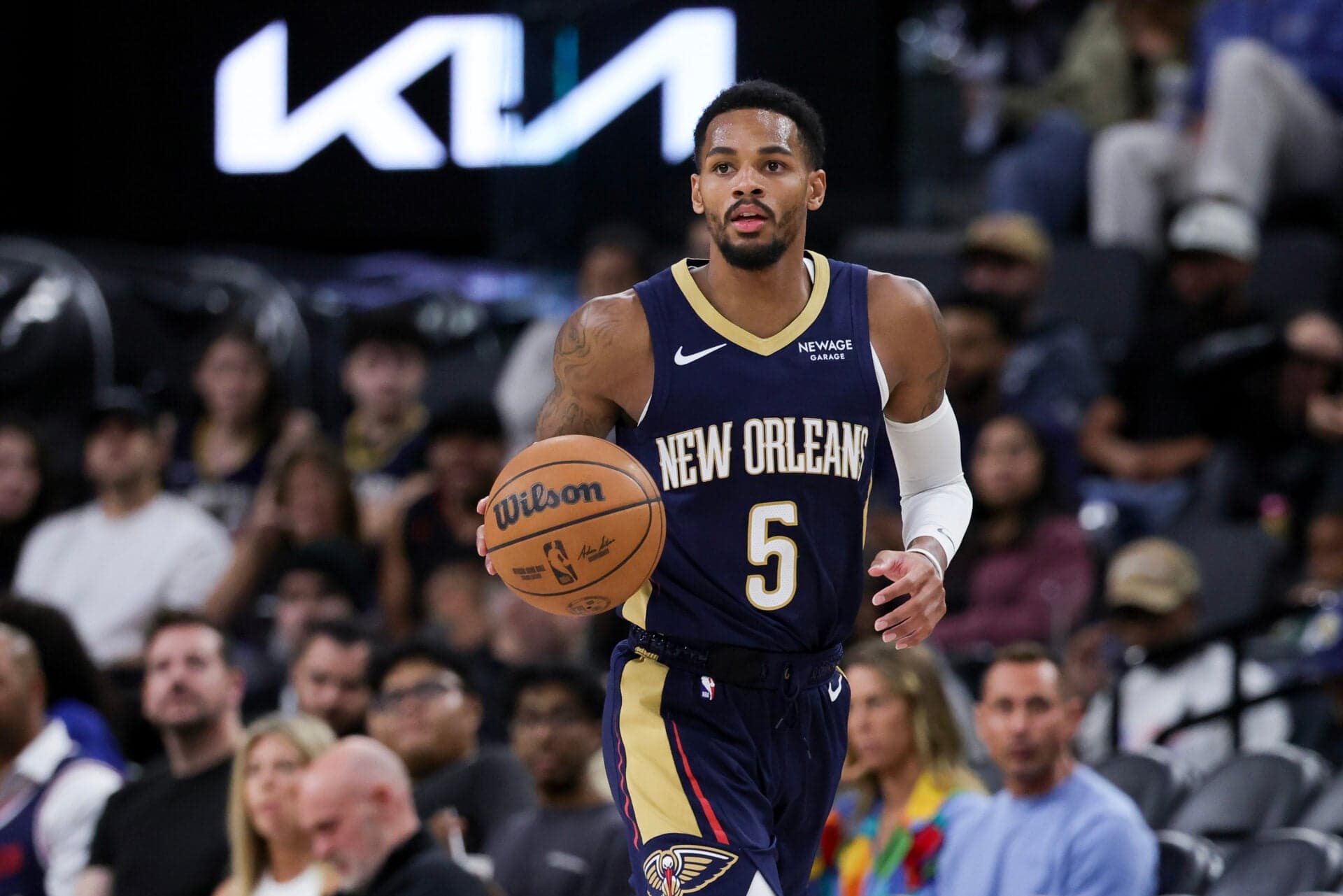
The NBA rumor mill never sleeps. This time, though, Dub Nation can pump the brakes. As of November 25, 2026, a plugged-in NBA insider has revealed why the Golden State Warriors aren't pursuing a Dejounte Murray deal - and the reasoning is far more grounded than the speculation swirling around the Bay. No secret backchannel. No last-minute hijack. Just a front office reading the room, the roster, and the reality of Murray's situation in New Orleans.
Here's what the insider's reporting tells us about Golden State's calculus - and why the smart money says the Warriors stay patient.
The Insider's Read: Fit and Timing Never Lined Up
The headline from the insider's reporting is simple: the Warriors never treated Murray as a priority target this cycle. That's no knock on Murray's talent - it's about timing. Golden State has been re-tooling around its veteran core while developing younger guards, and adding a ball-dominant, injury-recovering point guard would have reshuffled roles the coaching staff is still trying to balance.
Context matters here. Murray was dealt from the Atlanta Hawks to the New Orleans Pelicans in a June 28, 2024 blockbuster that sent Dyson Daniels, Larry Nance Jr., E.J. Liddell, and draft capital back to Atlanta. Then came the gut punch: a torn Achilles in his Pelicans debut on October 23, 2024, wiping out his entire 2024 - 25 campaign.
> 📊 Murray's Oct. 23, 2024 Achilles tear ended his first Pelicans season before it truly began - the kind of injury history that makes any team pause before paying a premium.
A player working back from an Achilles rupture carries real evaluation risk. And an NBA insider reveals why the Golden State Warriors aren't pursuing the Dejounte Murray deal boils down to that uncertainty: the Warriors' window management doesn't allow for a leap of faith on a rehab arc plus a significant role change - especially when the trade cost would likely include young rotation pieces or draft assets Golden State has guarded closely.
A Contract That Cuts Both Ways
Money is the other half of this story. Murray signed an extension that keeps him under contract through 2027 - 28. Any acquiring team, then, inherits a multi-year commitment - and with it, multi-year risk if the Achilles recovery doesn't fully restore his burst and defensive impact over the life of the deal.
| Date | Event | Significance for Trade Talks |
|---|---|---|
| June 28, 2024 | Traded from Atlanta Hawks to New Orleans Pelicans | Reset his team context; Pelicans control his rights |
| October 23, 2024 | Torn Achilles in Pelicans debut | Season-ending injury; recovery becomes the headline |
| Contract through 2027 - 28 | Extension signed with New Orleans | Any trade inherits a long-term commitment |
For the Warriors, that structure forces a hard question: is a long-term bet on a post-Achilles guard the best use of payroll flexibility, given the team's existing financial obligations and the flexibility it needs to keep maneuvering around its core? According to the insider's reporting, the answer internally was a clear "not now." The front office prefers optionality over locking into another big multi-year salary while the roster identity is still being sorted out.
> 📊 Murray's deal runs through 2027 - 28 - a multi-year commitment any trade partner must absorb, injury risk included.
That's a level-headed read, not a dramatic snub. The Warriors were never reported as front-runners, and the insider's account simply confirms what the cap sheet and roster math already suggested.
What the Warriors Are Actually Prioritizing
Strip away the rumor noise, and Golden State's plan looks familiar: evaluate the current group, keep flexibility, and make moves only when the fit is clean. The insider's reporting points to an organization that values continuity and locker-room balance over headline swings - and a Murray pursuit would have been exactly the kind of swing that trades flexibility for risk.