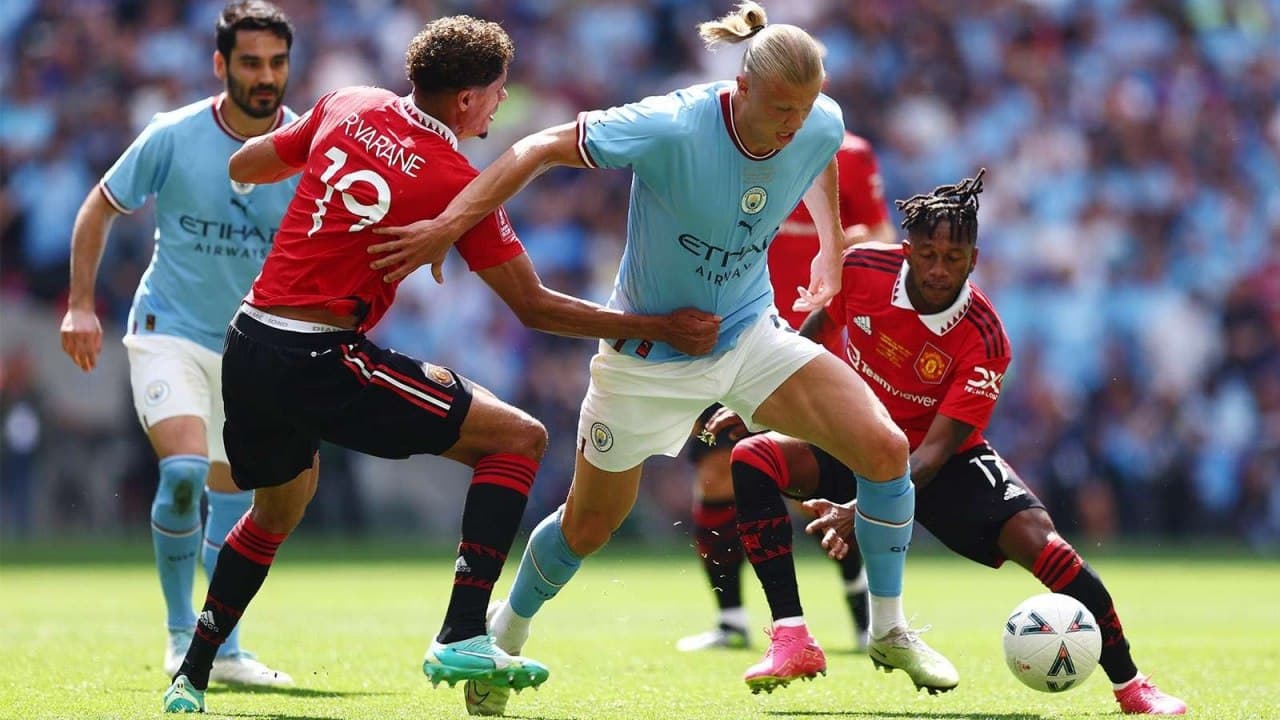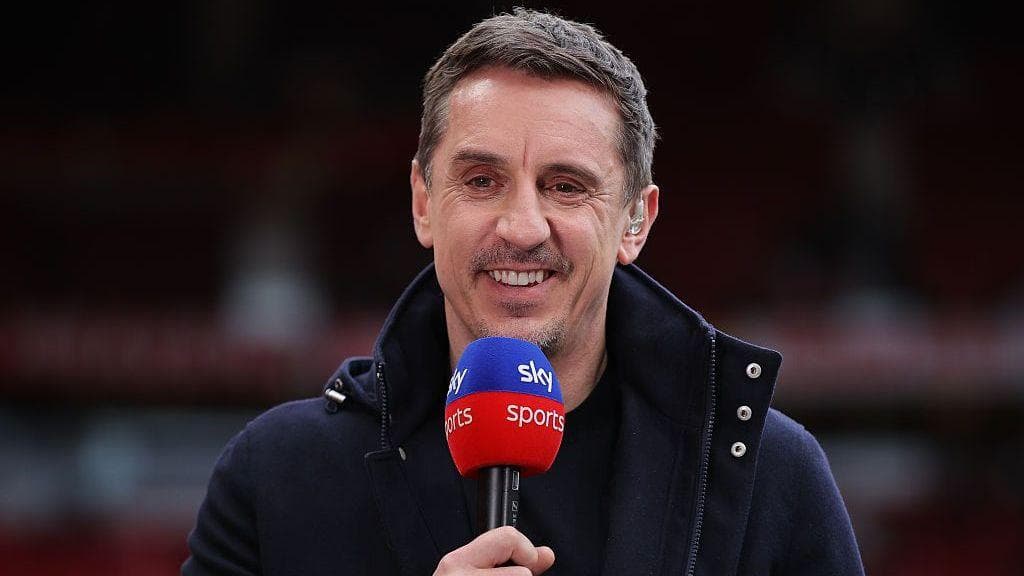
Gary Neville has never been shy about aiming both barrels at the club he captained for over a decade. But his latest takedown of Manchester United cut deeper than most. After another flat, lifeless performance that had fans streaming for the exits long before the final whistle, Neville went on air and questioned whether this squad is even willing to run for the badge. Was Neville right to call out Man Utd for a 'lack of effort'? It's the question dominating every phone-in, group chat, and pub debate from Salford to Singapore.
Why Neville's Words Carry Weight
Neville isn't just another talking head. He's a one-club man, an academy graduate who lifted trophy after trophy under Sir Alex Ferguson, and now Sky Sports' most prominent United voice. When he speaks, it lands differently - because he knows exactly what the standards inside that dressing room are supposed to feel like.
This wasn't a one-off rant either. Neville has spent years criticising United's performances, sure. But his critiques have usually centred on structure, recruitment, tactical naivety. "Lack of effort" is a different beast entirely. At a club built on relentless work rate - the DNA of the Busby Babes and Fergie's Fledglings - questioning desire is the ultimate insult. It suggests the problem isn't the plan. It's the people.
The fallout was instant. Fans split down the middle. Some applauded Neville for saying what they'd been screaming at their screens for months. Others warned that public pile-ons only make things worse. Pundits pushed back too, arguing it's easy to question heart from a studio chair. The real question: did the dressing room respond?
The Evidence: Do the Numbers Back Neville Up?
What "Effort" Actually Looks Like in Data
Effort in modern football isn't a vibe. It's measurable. Tracking data logs distance covered, high-intensity sprint counts, and pressing volume. Clubs and analysts lean on metrics like pressures applied, counter-press recoveries, and duels won to judge whether a team is genuinely busting a gut.
Table: Core Effort Metrics Explained
| Metric | What It Measures | Why It Matters |
|---|---|---|
| Distance covered | Total ground run per player/team | Baseline work rate |
| High-intensity sprints | Explosive bursts above threshold | Commitment in key moments |
| Pressures applied | Times a player closes down an opponent | Defensive intensity |
| Counter-press recoveries | Ball won back within seconds of losing it | Desire to fight back |
| Duels won | Contested challenges won | Physical commitment |
When United's running numbers dip below their own season baseline - and well below their rivals - it's a red flag. But here's the twist: the eye test and the spreadsheet don't always agree. Sometimes a team looks lazy while posting decent distance numbers, because they're chasing shadows rather than pressing with purpose.
📊 [Stat callout placeholder] - [Context: relative effort output vs. rivals, to be filled from verified match data.]
The Counter-Argument
Effort metrics can flat-out mislead. A team chasing a game will rack up distance simply by pursuing the ball - running a lot isn't the same as running smart. Fatigue, fixture congestion, heavy squad rotation: all of it suppresses physical output, and United's schedule has been brutal.
Critics also argue "lack of effort" is a lazy pundit shortcut for far deeper structural problems. A midfield that can't control games. A back line exposed on transition. A squad that no longer believes in the project. Current players and the manager have pushed back, insisting the desire is there and the issues are tactical and confidence-related.