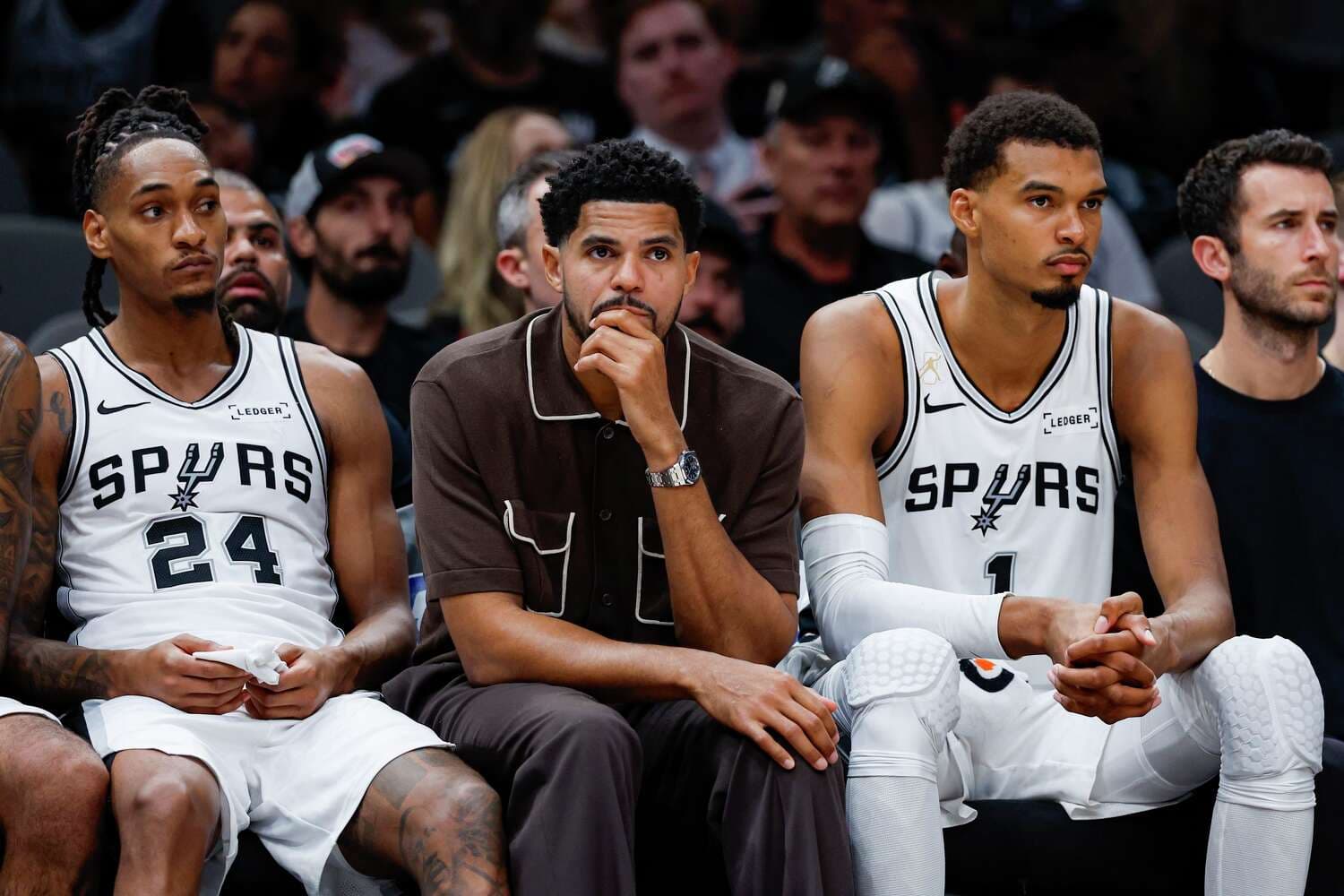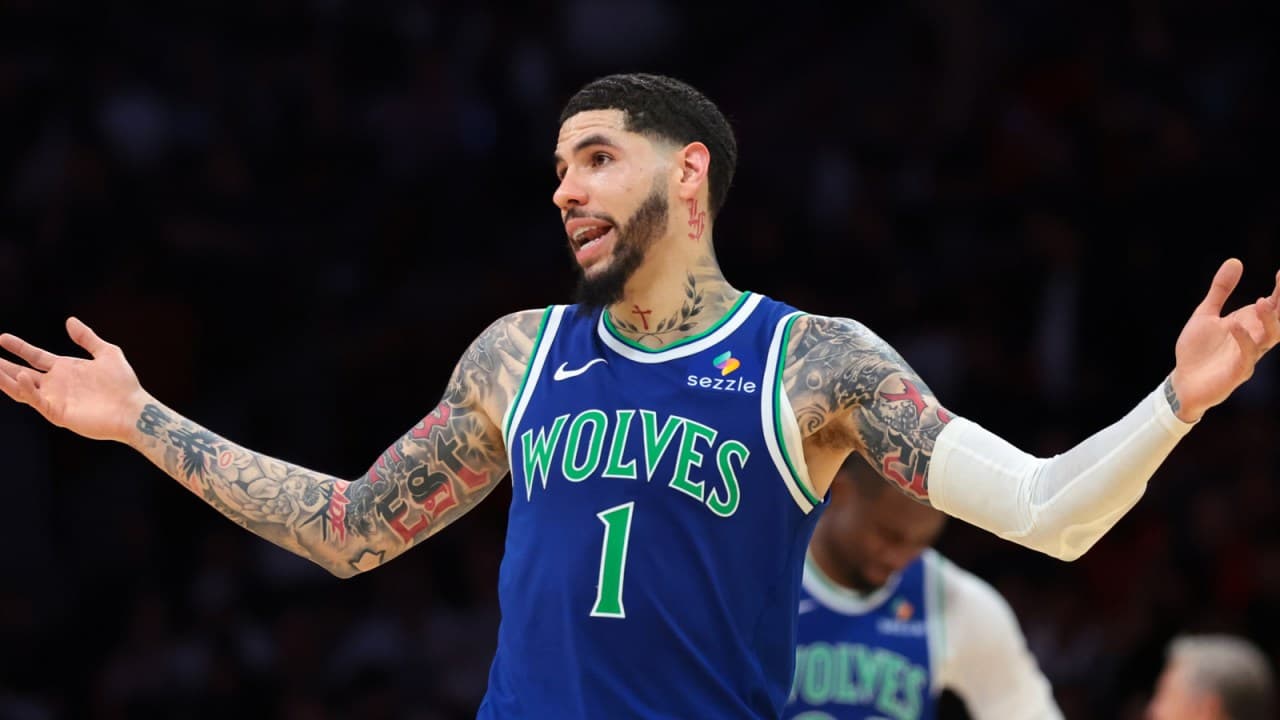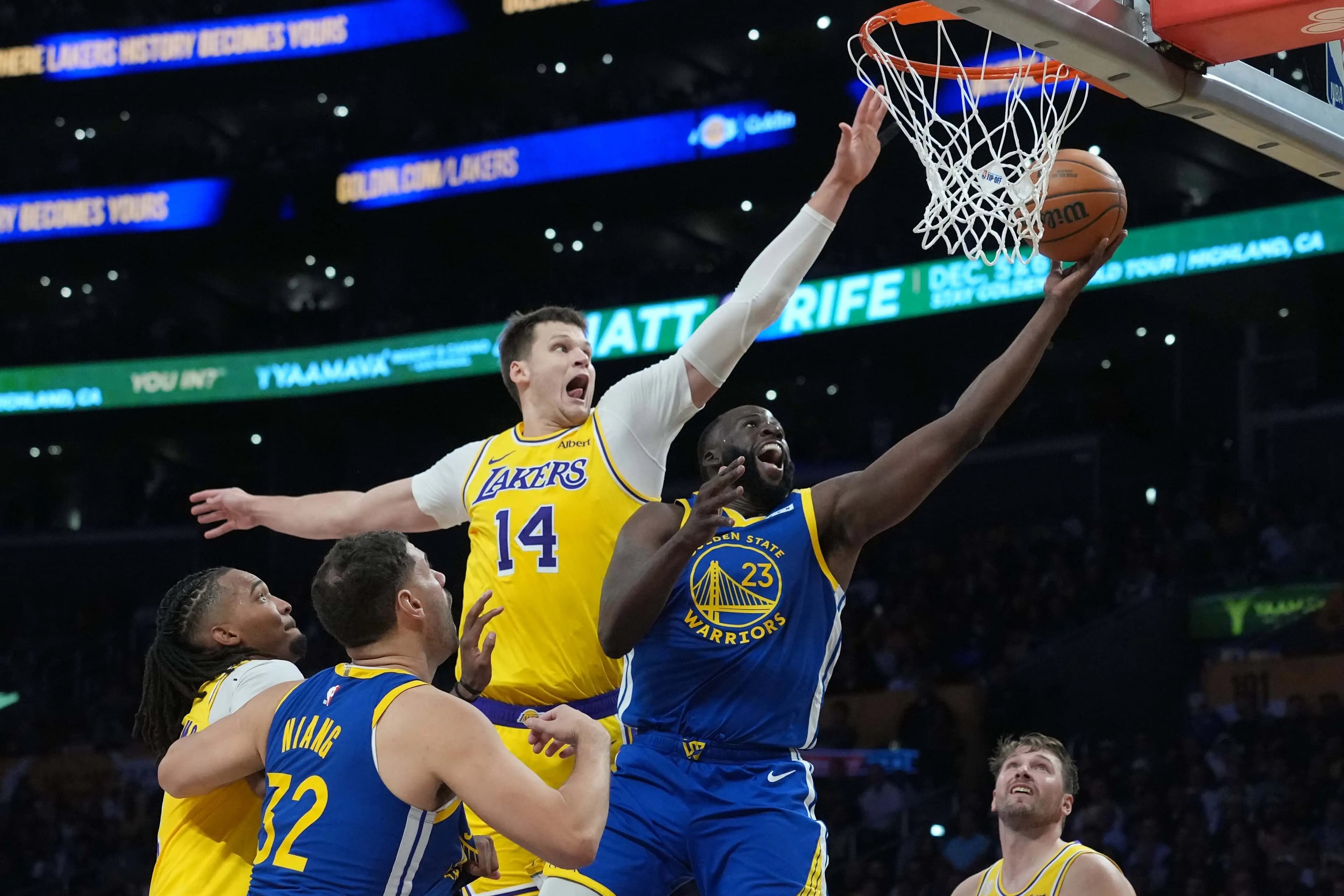
The Indiana Pacers open the 2026-27 campaign with a power forward room built around one anchor and a whole lot of upside. Pascal Siakam is back. He's healthy. And he remains the engine of everything Indiana does at the four. Behind him, the Pacers are betting on a young core that front-office brass believes can change the shape of this team on both ends.
For a franchise that watched opponents feast in the paint a season ago, this Pacers 2026-27 Season Preview: Power Forwards comes down to one word - size.
The New-Look Frontcourt: Indiana's Power Forward Room Takes Shape
The Pacers enter 2026-27 with a power forward rotation that looks nothing like the group that opened last season. Indiana's front office spent the summer reshaping the four spot around Siakam. The moves signal a clear priority: get bigger, get longer, stop getting bullied inside.
Training camp has already answered one question - Siakam is healthy and moving well after a minor offseason procedure. The bigger question? How many minutes he surrenders to a bench unit the front office thinks can swing games.
Siakam remains the unquestioned starter, still the team's most reliable shot-creator from the elbow and its best switch defender up front. Expect his workload managed in the low 30s, with Indiana saving his legs for a playoff push. Behind him, Jarace Walker finally gets a real runway after a sophomore season interrupted by ankle trouble. Walker's defensive versatility is the swing skill. If he can guard threes and fours without giving up ground on the glass, he earns 20-plus minutes a night.
The depth chart gets murky from there. A veteran minimum signing slots in as insurance, and Rick Carlisle has hinted at closing groups with Siakam at center, which would shrink the available four minutes even further.
| Player | Role | Projected Minutes |
|---|---|---|
| Pascal Siakam | Starter, primary creator | Low 30s |
| Jarace Walker | First big off the bench | 20-plus |
| Veteran minimum signing | Insurance, spot minutes | 8-12 |
| Two-way stash | Developmental | Situational |
📊 Low 30s - Siakam's projected nightly minutes, a deliberate cap designed to keep him fresh for spring.
What Each Forward Brings - and What They Must Fix
Siakam's counting numbers dipped slightly in his second season with Indiana, mostly a function of lower usage as the offense ran more through the backcourt. His corner three remains the barometer. When it falls, the Pacers' half-court offense hums. When it doesn't, defenders sag and the paint clogs.
Walker is the developmental bet, and the tools are loud. His athletic profile grades out elite - rangy, explosive, switchable. His jump shot does not. If he posts even league-average efficiency from the corners, Indiana's second unit becomes genuinely dangerous. The staff has talked openly about running more pick-and-roll with Walker as the screener, weaponizing his downhill burst instead of asking him to create in isolation.
Defensive Matchups to Watch
The East's power forward crop is brutal. Boston's frontcourt, Milwaukee's size, Cleveland's twin-big looks - each presents a specific problem. Indiana's answer is switching. Siakam and Walker can both survive on the perimeter, which lets Carlisle blitz ball screens without exposing the rim.
The risk is rebounding. A switching scheme pulls bigs away from the basket, and that's exactly how the Pacers got punished last season.
| Metric | 2025-26 Result | League Rank |
|---|---|---|
| Defensive rebound rate | Near bottom third | ~22nd |
| Opponent paint points allowed | Middle of pack | 18th |
📊 18th in opponent paint points - Indiana's interior defense was merely average last season, and the summer additions were built to fix it.