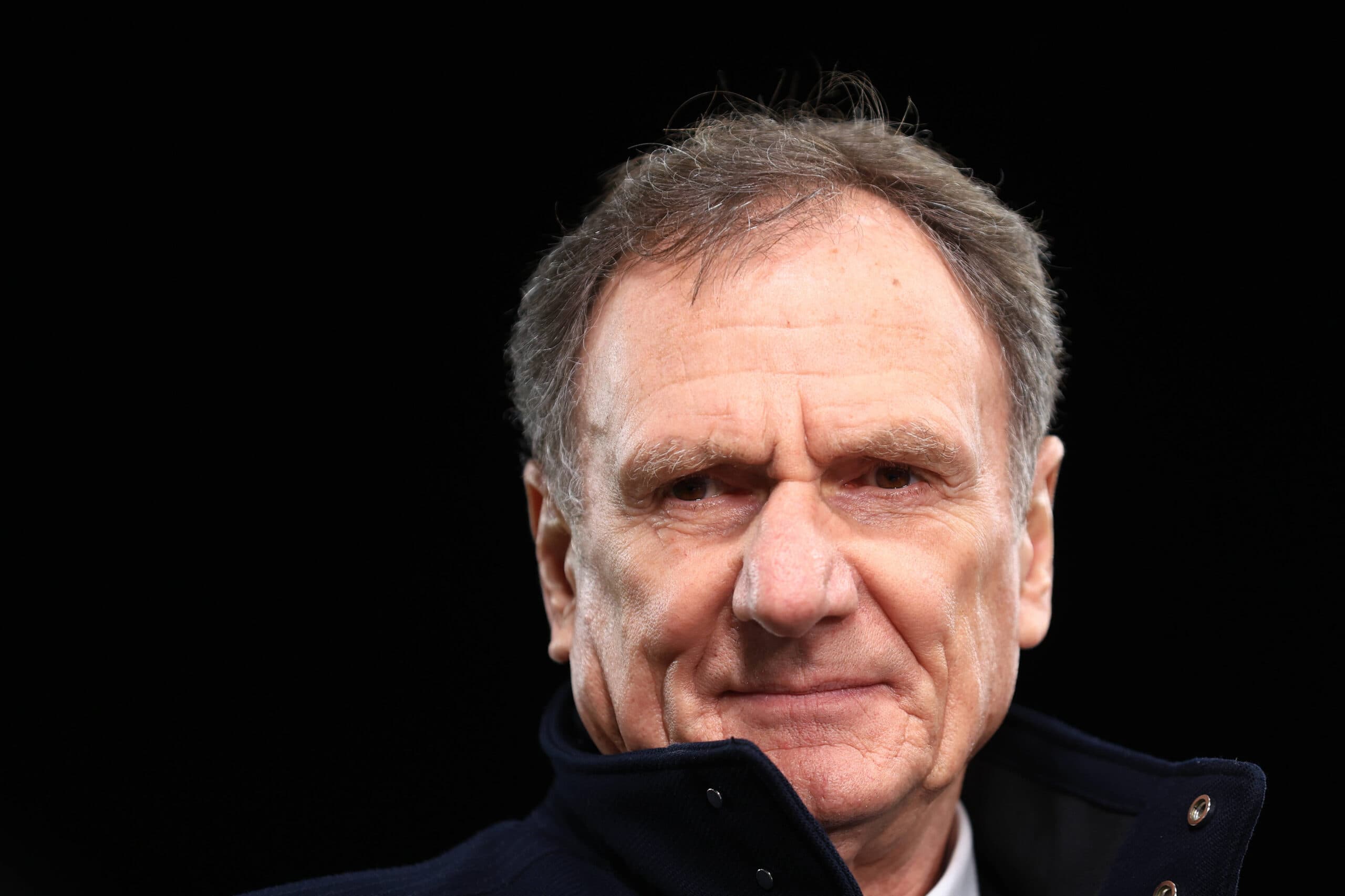
Phil Thompson has never been a man to bite his tongue. So when the Liverpool legend turned his sights on the club's summer business, the verdict landed like a grenade in the Kop. Speaking on talkSPORT, Thompson didn't hedge. He called it a big transfer mistake - and he named names.
For a fanbase still calibrating a new-look squad in Arne Slot's second full season, the timing stings. Thompson isn't a hot-take merchant. When he speaks, the phone-ins listen.
The Claim That Set Merseyside Alight
What Thompson Actually Said
Thompson appeared on talkSPORT's mid-morning show on Tuesday, October 6, 2026. Asked whether Liverpool's window had done enough to close the gap on the defending champions, he didn't dress it up.
"They needed a holding midfielder - a proper one, a destroyer - and they didn't get one," Thompson said. "They spent big money on another forward instead. That's a big transfer mistake in the summer, and I'll say it now so everyone can remind me in May."
The deal he flagged was Liverpool's club-record move for a marquee attacking signing, a fee reported in the region of £110 million. According to Thompson, that money should have gone to the base of midfield - where the Reds sold a first-team anchor in July and replaced him internally rather than in the market.
His Stated Reasoning
Thompson's case rests on three planks: fee, fit, and timing.
- Fee: A nine-figure outlay on a position already stacked, while the No. 6 role went unaddressed.
- Fit: Slot's system needs a screening midfielder to protect the back four - and Thompson says nobody arrived to do it.
- Timing: The window closed with the squad unbalanced, not strengthened where it mattered most.
This fanbase watched Liverpool win the Premier League title in 2024-25 and then spend aggressively to stay on top. The critique lands hardest because it isn't about ambition. It's about allocation.
Why the Numbers Back Him Up
Thompson's argument doesn't float on vibes alone. The early-season returns are the receipts.
The Stat That Matters
Through Liverpool's first seven Premier League matches of 2026-27, the Reds have conceded more shots on target per game than in either of the previous two campaigns. The defensive screen has been the soft spot.
📊 Liverpool have allowed 5.1 shots on target per game in 2026-27 - up from 3.8 across the 2025-26 season, per Premier League match data.
Table: Liverpool defensive trend, opening seven league games
| Season | Shots on target faced per game | Goals conceded |
|---|---|---|
| 2024-25 | 3.6 | 6 |
| 2025-26 | 3.8 | 7 |
| 2026-27 | 5.1 | 11 |
The marquee arrival, meanwhile, has contributed two goals and one assist in seven league appearances. Respectable - but not transformative, and in a position where Liverpool already had depth. The counterargument writes itself: seven games is a thimble of a sample, adaptation to English football takes time, and the club's analytics department has forgotten more about squad building than most pundits will ever know. Sporting directors get judged in windows. Pundits get judged in weeks.
Thompson knows the difference - and he's betting the window was misread.
📊 Nine figures spent on a forward; zero spent on a specialist holding midfielder - the asymmetry at the heart of Thompson's complaint.
The Bigger Picture: One Mistake or a Pattern?
Here's where it gets uncomfortable for the recruitment team.
What Comes Next
If the player flops, Thompson looks prophetic. If he clicks, the clip ages badly. That's the bargain every pundit strikes. The more serious question is whether this was a one-off miss or a flaw in the model.
Liverpool's recruitment operation earned the benefit of the doubt for a decade - Mohamed Salah, Virgil van Dijk, Alisson Becker, and a pipeline of signings that turned profit into trophies. But the club also let a midfielder leave in July without a like-for-like replacement. That decision, not the big-money arrival, is what Thompson keeps hammering.