The storm that erupted at Craven Cottage refuses to die down. A handball call - or non-call - swung a Premier League result and sent Michael Carrick into a touchline fury. Now the league has finally addressed the controversy head-on. Here's everything you need to know about the decision, the fallout, and what comes next.
What Actually Happened
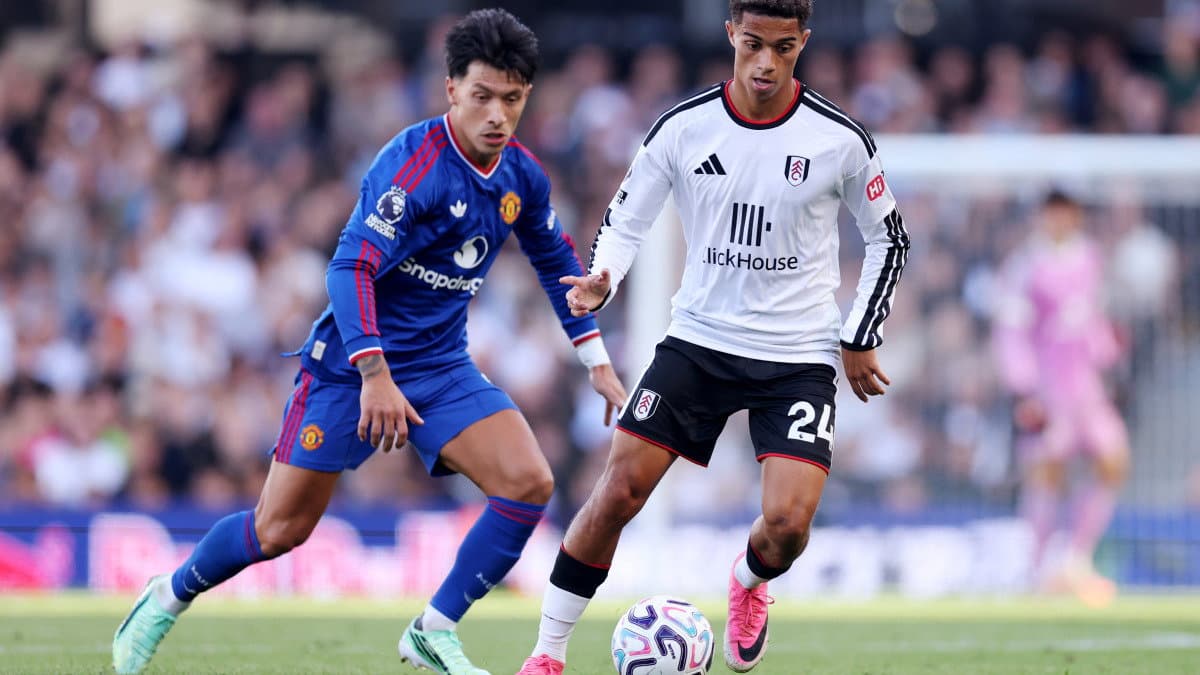
The flashpoint arrived in the 67th minute at Craven Cottage. The score was locked at 1-1, both sides pushing for a winner in a tense Premier League clash. A driven cross from the right channel struck the arm of a Fulham defender inside the penalty area - and the away bench erupted instantly.
Referee Anthony Taylor waved play on in real time. He judged the arm to be in a tucked, natural position close to the body. Replays, though, painted a messier picture: the arm appeared to move toward the ball, and the contact clearly altered its trajectory. The VAR booth checked the incident but upheld the on-field call. Their ruling: the contact fell under the "deflection off the player's own body" clause and did not meet the threshold for a clear and obvious error.
That verdict meant no penalty. Moments later, Fulham broke upfield and scored at the other end - a cruel one-two punch that turned a possible spot-kick into a decisive goal against Carrick's side.
📊 The incident occurred in the 67th minute with the score at 1-1 - and the non-call directly preceded Fulham's winning goal seconds later.
Carrick's reaction was immediate and volcanic. He stormed to the edge of the technical area, gestured furiously toward the fourth official, and had to be calmed by his assistant. His post-match press conference did little to cool the temperature.
Why Carrick Was Fuming
Carrick did not hold back. "I've watched it fifteen times and I still can't understand how that isn't given," he said. "The arm is out, the ball changes direction - if that's not a penalty, I genuinely don't know what is anymore. We're not asking for favours. We're asking for consistency."
The timing enraged him most. His side had been the better team for much of the second half, pressing high and creating the clearer chances. To lose the game on a sequence that began with an uncalled handball - and ended with the ball in their own net - felt, in his words, "like being punished twice for one mistake by somebody else."
This isn't an isolated grievance. Carrick has now seen three major VAR decisions go against his side in the opening weeks of the 2026-27 season. He hinted the club is preparing to formally contact PGMOL to seek clarity on how the handball law is being applied.
📊 Three contentious VAR calls against Carrick's side already this season - a pattern he says is no longer a coincidence.
His players echoed the frustration in the tunnel, with senior figures reportedly questioning why on-field referees are so rarely sent to the monitor. For a club with European ambitions, dropped points in games like this carry real weight - and the mood inside the dressing room was described as "seething."
The Premier League's Response - and What It Means
The Official Position Explained
The Premier League, working alongside PGMOL, released a statement that stopped short of an apology but went further than the usual boilerplate. It confirmed the VAR team reviewed the incident from multiple angles and concluded the defender's arm was "in a position consistent with his body movement" for the challenge, adding that the ball "deflected off the player's torso before making contact with the arm."
Under the current IFAB Laws of the Game, two clauses matter here. The "natural arm position" test asks whether the arm was extended beyond what the body's movement justified. The "deflection" clause can downgrade responsibility when the ball rebounds off the player's own body first. The league's position rests entirely on both clauses stacking together - a judgment call that leaves room for exactly the kind of argument now raging.