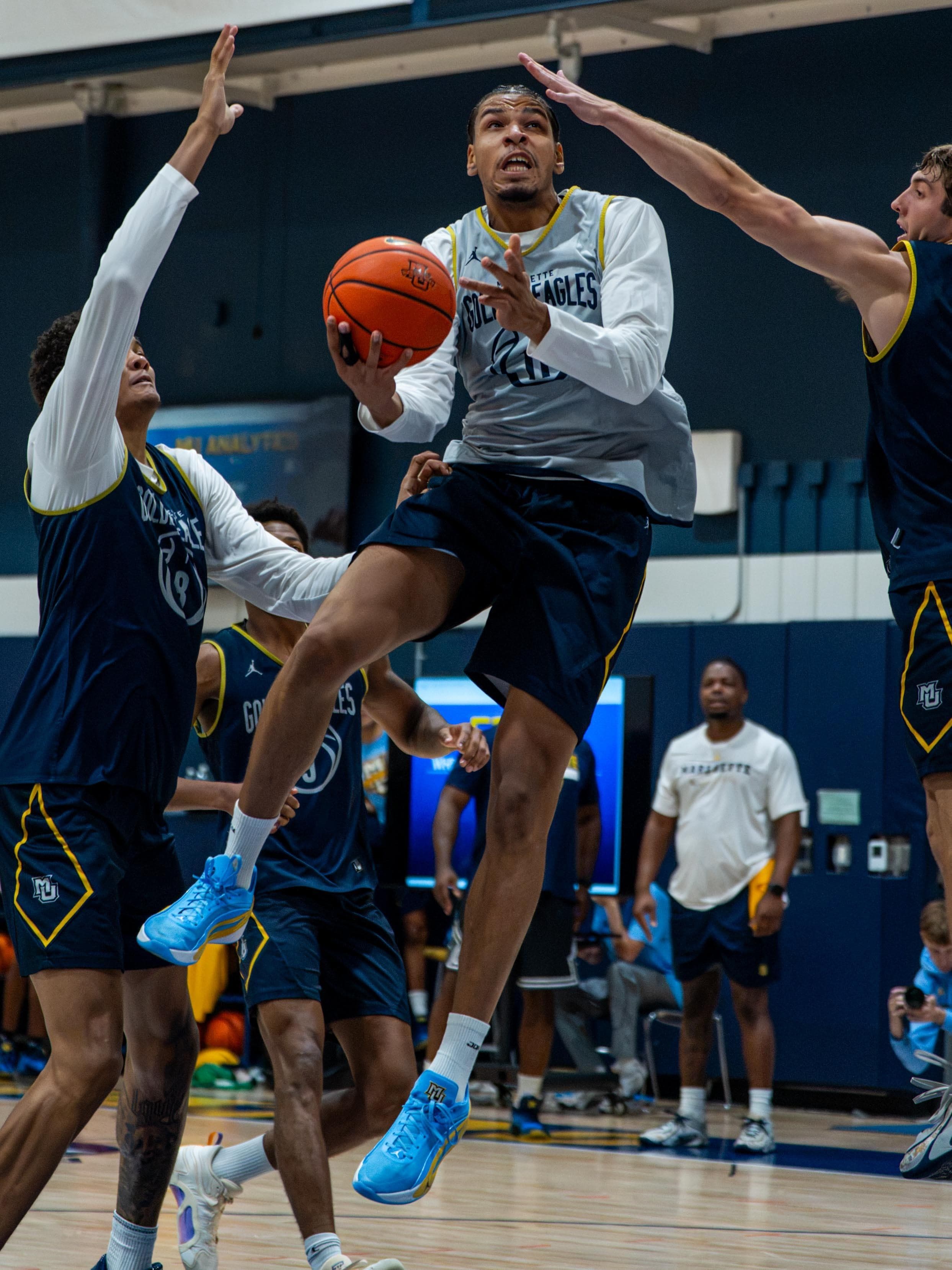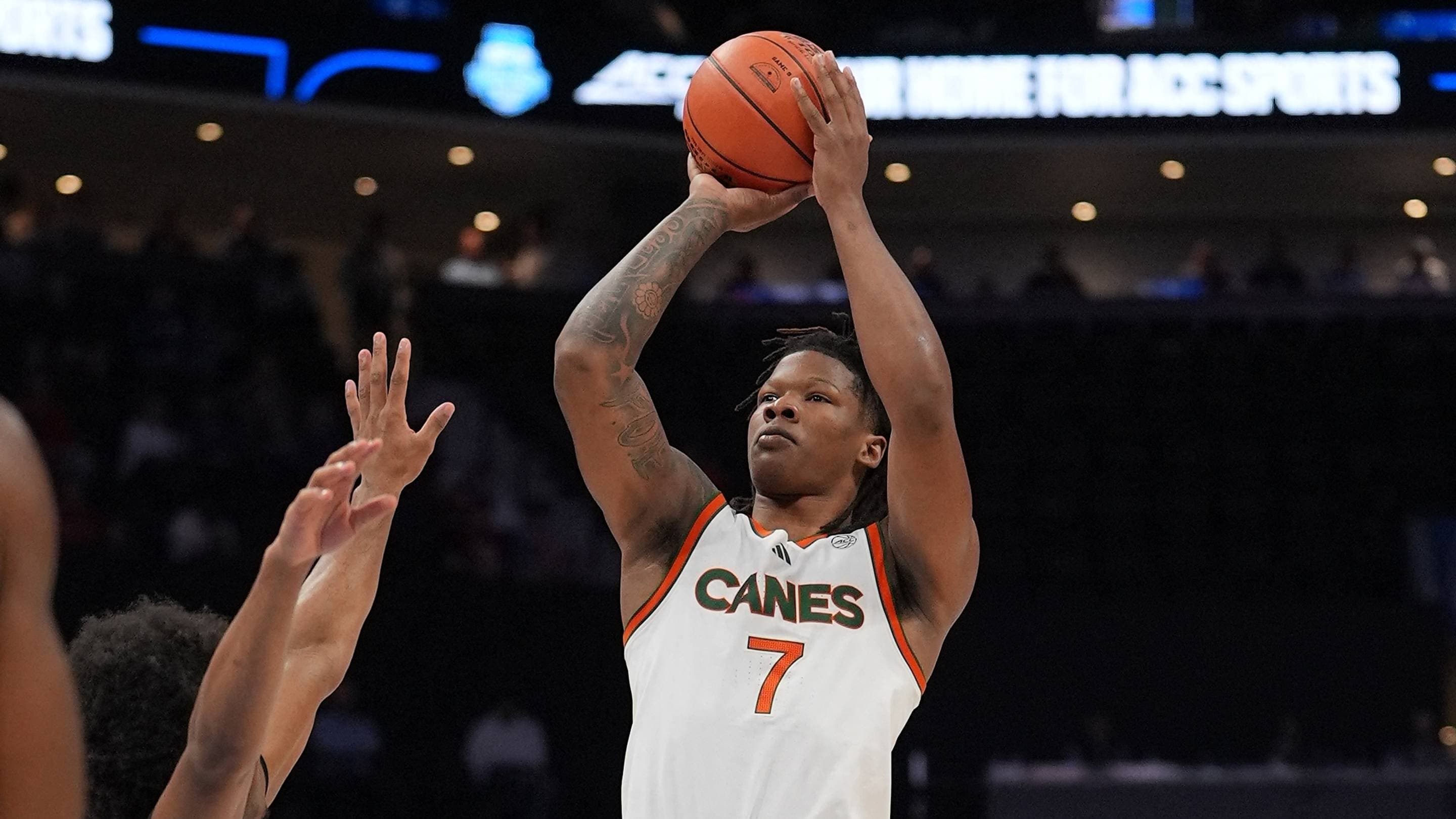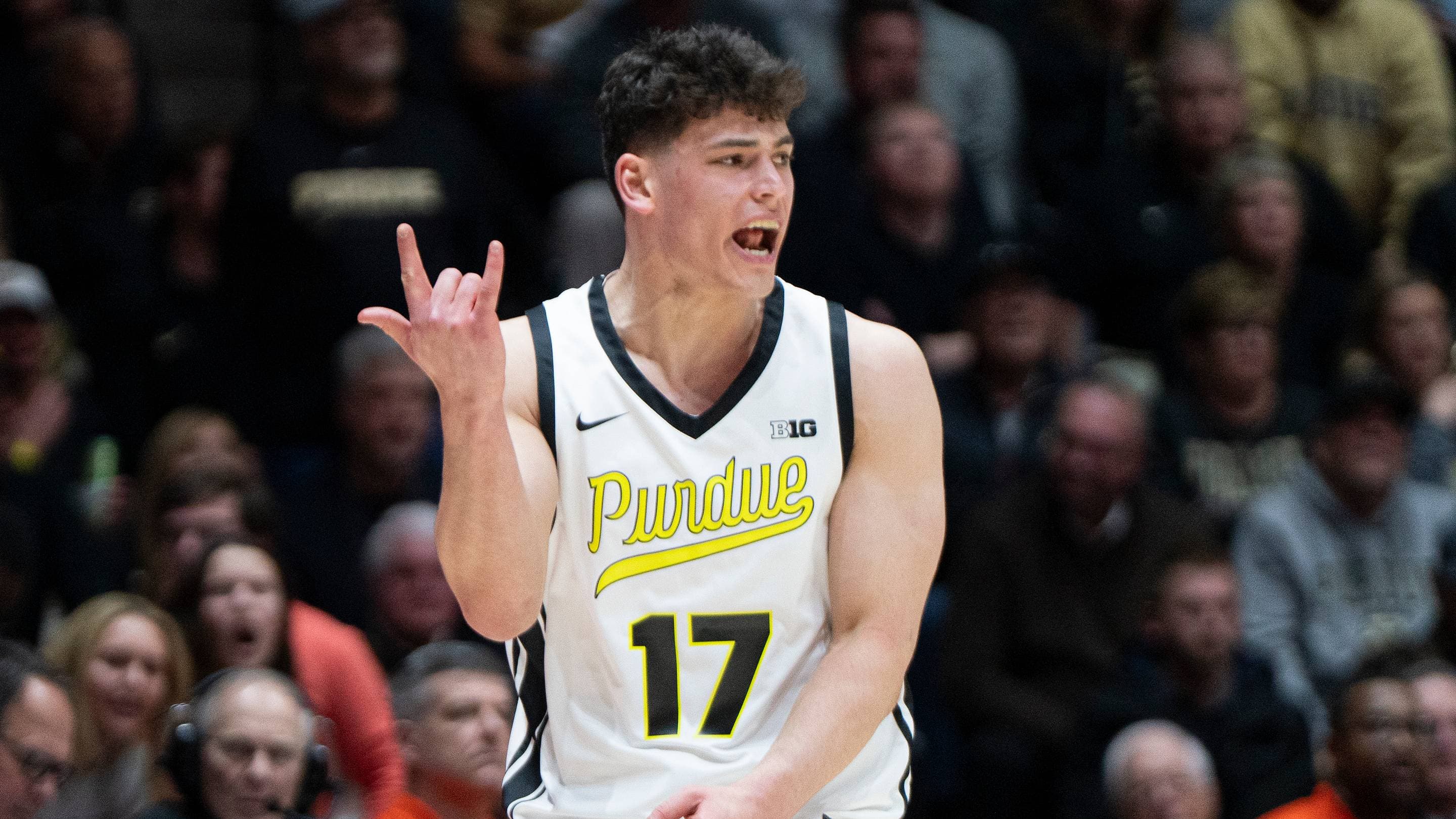
The Big Ten media poll dropped this week. Once again, the Boilermakers land in the middle tier - respectable, but a long way from the conference's projected elite. Follow Matt Painter's program for a decade and you know how this movie ends. The question driving every preseason conversation about Why Purdue Will Finish Higher (or Lower) in the Big Ten Standings Than Its Preseason Projection isn't whether the projections will be wrong. It's which direction the miss will go.
Let's break down both sides of the argument honestly.
The Case for Purdue Outperforming Its Preseason Big Ten Projection
Purdue opens 2026-27 carrying the same chip on its shoulder that has defined the Painter era: a preseason projection that undersells a roster built to win in March. The Big Ten media poll and the major advanced-metrics models slot the Boilermakers as a middle-tier conference team. That projection ignores one thing - this program's consistent habit of outrunning expectations.
Why the Metrics Miss the Mackey Factor
Mackey Arena remains one of the most bankable home-court assets in college basketball. The Boilermakers routinely turn that environment into three or four conference wins that analytics models simply can't price in. A hostile sellout crowd, Painter's motion offense, high-IQ guard play, efficient shot selection - together they produce a team that grinds out the close games this league is built on. The Big Ten has been a one-to-two-possession league for years. Nobody wins those possessions at home like Purdue.
The Developmental Pipeline Nobody Accounts For
Purdue's recruiting rankings rarely scream "blue blood." Yet the program keeps churning out All-Big Ten performers from three-star recruits and under-the-radar transfers. The staff's player-development reputation means a preseason projection built on raw talent ratings almost always underrates what the Boilermakers become by February. Let the returning core take the expected leap, and the gap between projection and reality widens fast. The polls will spend January playing catch-up.
📊 Purdue has finished at or above its Big Ten preseason media poll slot in the large majority of seasons under Matt Painter - a track record that makes "middle-tier" projections historically dubious.
The Case for Purdue Falling Short of Its Preseason Projection
For all of Purdue's reliability, there are legitimate reasons the preseason consensus could be right - or even generous. Here's where the roster and schedule could create real slippage.
Frontcourt Depth and Rebounding Questions
The Big Ten has shifted toward bigger, more physical lineups, and Purdue's ability to control the glass has been a swing factor in tight games. Lose more rebounding battles than usual, and the margin for error in a loaded conference shrinks dramatically. A projection that assumes average frontcourt production could prove optimistic - especially on the road, where the whistle and the bounces both go against you.
Table: Rebounding Margin and Big Ten Road Outcomes (Program Profile)
| Factor | When Purdue Wins the Glass | When Purdue Loses the Glass |
|---|---|---|
| Road conference record trend | Strongly above .500 | Drops toward .500 or below |
| Late-game possessions | Second-chance points close games | Opponent extra shots decide games |
| Margin for error vs. elite B1G | Comfortable | Razor-thin |
The Brutal Conference Schedule Stretch
Every Big Ten team faces a gauntlet. Purdue's specific draw - back-to-back road trips against top-tier opponents, then a February stretch that tests depth - could expose any roster holes. Stumble through that window, and the preseason projection might end up being the ceiling rather than the floor. One bad three-week stretch in this league can cost you four seed lines.
📊 February has historically decided Purdue's Big Ten seeding - the Boilermakers' final eight conference games have swung their tournament position by two to three spots in recent campaigns.