The book is out on the Boston Celtics' offense, and every opponent in the league has apparently read it. Send hard double-teams at Jayson Tatum. Force the ball out of his hands early. Make everybody else beat you. It's aggressive. It's uncomfortable. And it keeps showing up on film as defenses hunt for any edge against Boston's star wing. Yet inside the Celtics' locker room, there's no panic - only a growing belief that the answer is already in the building. According to Neemias Queta, the Celtics can absolutely react better to Jayson Tatum blitzing, and the big man in the middle of those reads knows exactly where the fixes start.
The Blitz Problem: Why Teams Are Loading Up on Jayson Tatum
Let's break down what a "blitz" actually is for anyone watching at home. When Tatum comes off a ball screen, defenders don't just switch or drop back - they send a second body flying at him immediately, sometimes a third shading over. The goal is simple: turn Boston's best scorer into a passer before he can get downhill. It's a gamble, and opponents are clearly willing to take it. The read-and-react chain it triggers is the heart of the whole thing. Tatum catches the double, fires a pass to the short-roll big, and that big has a split-second to find the corner shooter or finish over rotating help. When the chain clicks, the blitz backfires spectacularly - 4-on-3 basketball with the league's best shooters spotting up is a defensive nightmare. When it doesn't, you get turnovers, rushed decisions, and possessions that die on the vine. That inconsistency has defined Boston's uneven results against aggressive double-teams this season, and it's why the conversation has shifted from "can Tatum beat the blitz" to "can the supporting cast make the defense pay for it."
> 📊 Blitzing Tatum puts four defenders on three Celtics - the math only works if the ball moves faster than the rotation - the entire short-roll chain lives or dies on split-second decisions.
This isn't about Tatum forcing things. If anything, the film shows him making the right reads. The problem is downstream: the timing of the catch, the placement of the pass, and whether the receivers are on the same page. That's where Queta's perspective carries real weight.
Queta's Case: The Big Man in the Middle of the Solution
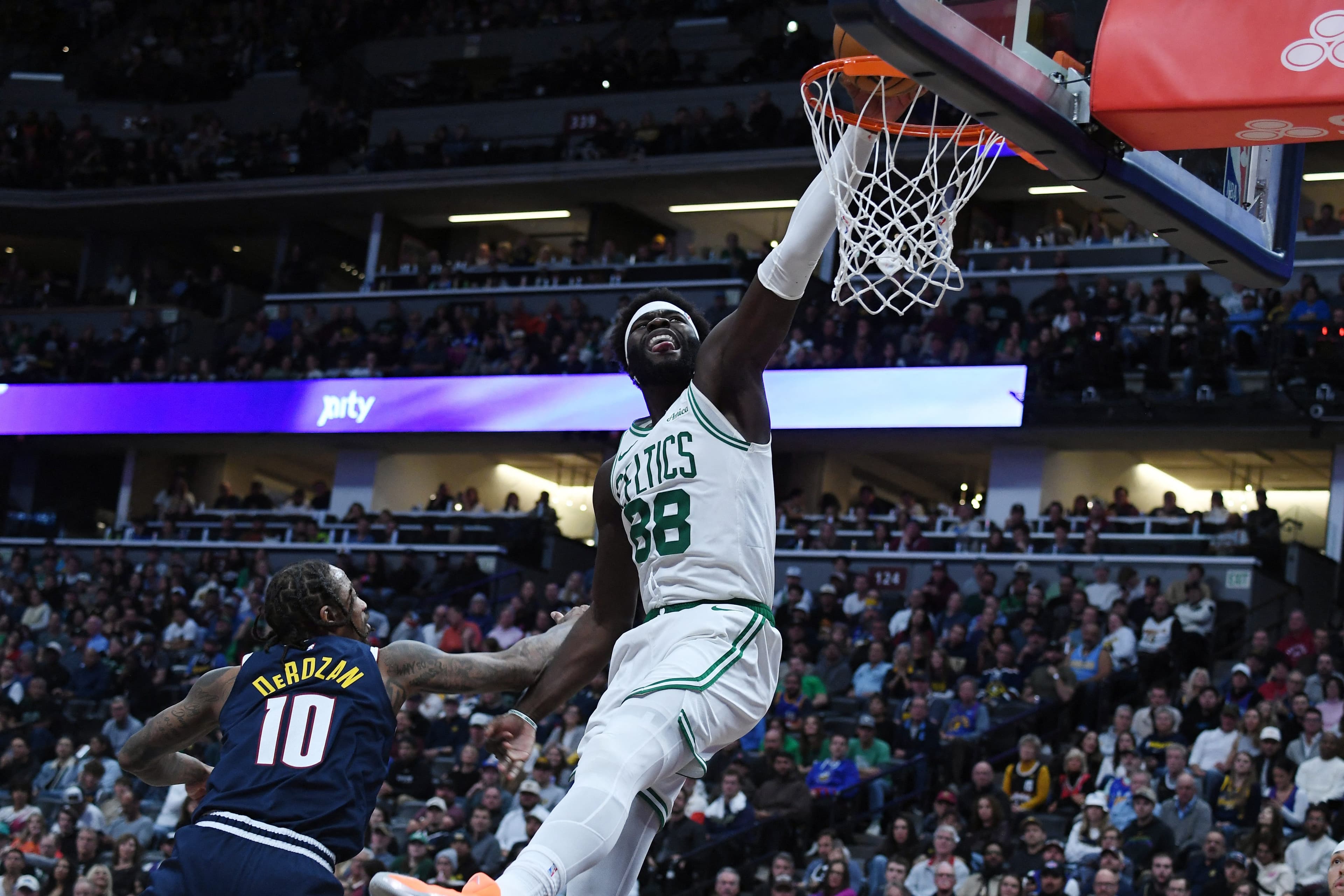
Here's why the words "Neemias Queta believes Boston Celtics can react better to Jayson Tatum blitzing" matter more than your average depth-big soundbite. Queta is literally the first domino in the chain. When Tatum gets blitzed off the pick-and-roll, Queta - the screener rolling to the paint - becomes the pressure-release valve. He catches the ball on the move with a 4-on-3 staring him in the face, and everything that happens next starts with him.
From a center's point of view, the mechanics are demanding. First, the catch: secure the ball cleanly at full speed while a rotating big closes out on you. Then the decision: fire the skip pass to the weak-side corner, hit the wing filling the slot, or attack the rim yourself when the help is late. Finally, the finish. Queta's value as a lob threat and rim runner means defenders can't just abandon him to chase shooters. His screen-setting and vertical gravity are exactly the tools that punish a blitzing defense - if the reads are sharp. The "react better" framing is really about spacing, timing, and cutting behind the blitz rather than standing still and letting the defense rotate. Queta's role as a depth big who's earned rotation minutes on nights Boston needs size and energy makes him an honest voice on this, not a bystander - the man fighting for minutes understands the margins better than most.