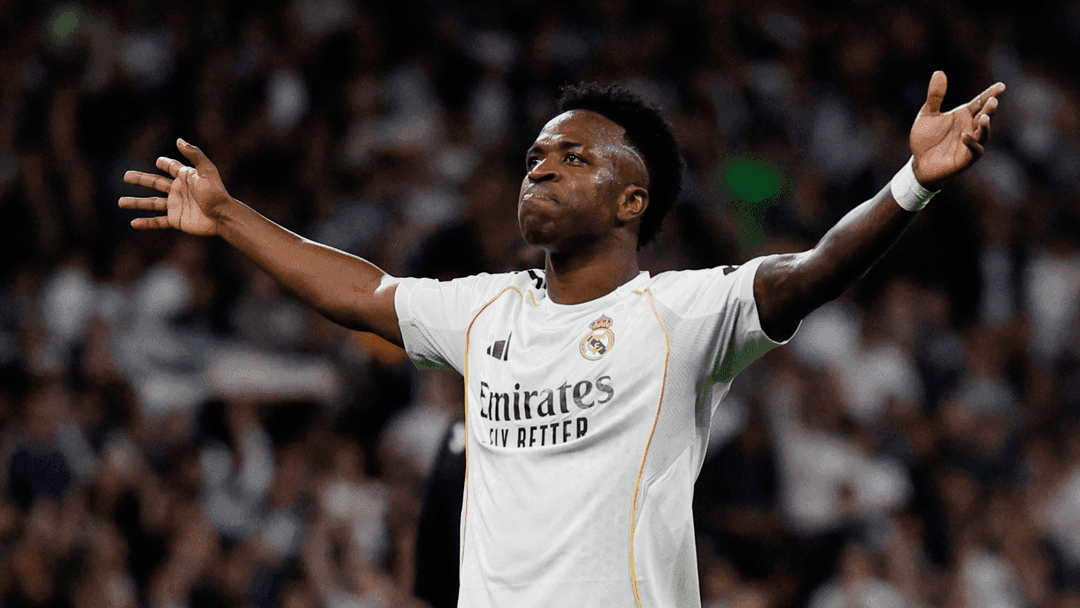
For the first time in months, the mood in the Valdebebas executive box is less fortress-siege and more victory lap. When the news broke out of Zurich that FIFA had quietly shelved its ambitious - and frankly, terrifying - plan to centralize World Cup commercial rights, the collective sigh of relief from the Santiago Bernabéu could probably be heard in Barcelona. This wasn’t just a win for the administrators; it was a survival victory for the very concept of club sovereignty. Real Madrid welcomes FIFA's decision to drop World Cup commercial rights plan with open arms, and honestly, so should every fan who loves the beautiful game’s club ecosystem.
Let’s be real: the proposal circulating in football’s corridors of power was a nightmare scenario for the giants. The idea of FIFA dipping its toes into direct club commercial exploitation - essentially telling Real Madrid how, when, and with whom they could monetize their brand during international windows - was a direct assault on the socios' crown jewels. While the governing body might have dressed it up as "streamlining the global portfolio," Madrid saw it for what it was: a cash grab that would have slashed the value of their own individual sponsorship deals (we’re looking at you, Emirates and Adidas) and made the club a tenant on its own global stage.
The club’s official reaction has been measured - cautiously diplomatic, yet loaded with the kind of smug satisfaction that only comes from a successful backroom campaign. President Florentino Pérez has long argued that clubs create the product, and the clubs should own the return. By forcing FIFA to retreat, Madrid has effectively drawn a line in the turf: the club remains the master of its own commercial destiny, and the World Cup remains a guest in their house, not the landlord.
The Financial Gravity of "The Decision"
To understand why this matters more than just a photo-op handshake, you have to look at the books. Real Madrid’s revenue stream is not just a trickle; it’s a roaring waterfall, projected to surge past €1.1 billion. A huge chunk of that modern wealth isn't from matchday tickets - it's from the brand.
The "Real Madrid" trademark is the product. If FIFA had moved forward with its plan to act as a central broker for certain club commercial rights tied to the 2026 World Cup cycle, they would have effectively inserted a middleman into a relationship that is already structured for maximum profitability. Insiders suggest the club’s legal team had already prepared a dossier on the potential breach of EU competition law, but they never needed to fire that shot. The mere threat of a legal entanglement with the most powerful institutional club in the world was enough to make FIFA blink.
📊 [€1.1 Billion+ Projected Annual Revenue] - Real Madrid’s financial muscle just forced the world’s governing body to back down - proof that the club’s brand alone is worth more than any federation handout.
This isn't just about the 2026 showpiece in North America; it's about setting a precedent for the 2030 centenary edition. By standing firm now, Madrid has ensured that the next cycle of broadcast and sponsorship negotiations remains clean. They keep the full value of their kit deals and stadium naming rights without having to kick a percentage upstairs to a federation that didn't help build the Bernabéu’s new retractable pitch.
| Revenue Stream | Key Partners | Estimated Value (€M) | Status Post-FIFA Ruling |
|---|---|---|---|
| Shirt & Kit Deal | Adidas | 120+ | Fully protected |
| Stadium Naming Rights | Emirates/Others | 70+ | Fully protected |
| Global Merchandising | In-house/Retailers | 200+ | Fully protected |
| Broadcast & Media | La Liga/Platforms | 250+ | Fully protected |