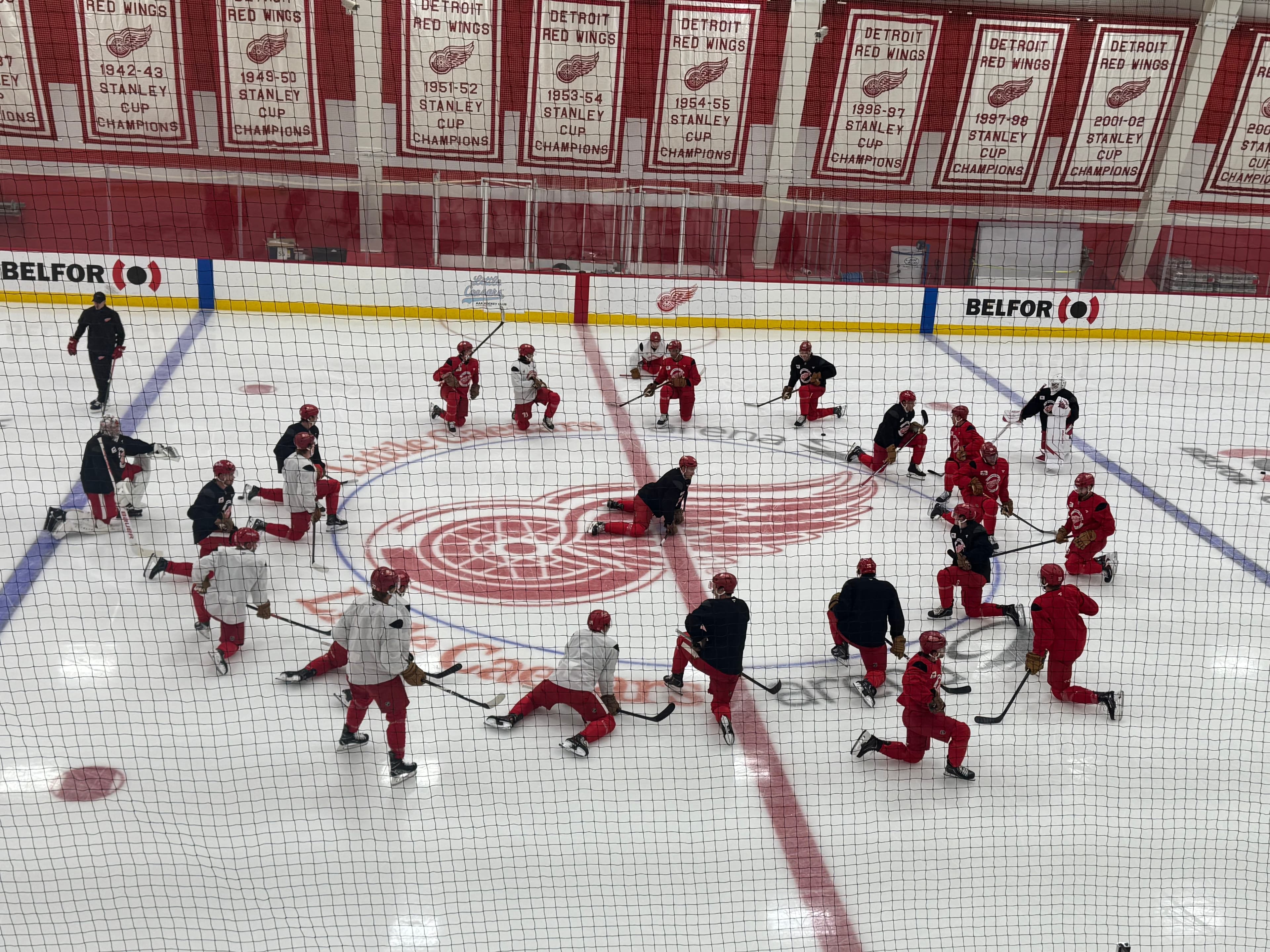
Another training camp is in the books, and the Detroit Red Wings have their verdict - well, sort of. General manager Steve Yzerman and head coach Todd McLellan trimmed the roster to its opening-night configuration this week, closing the book on the most competitive camp Detroit has staged in years. The final cuts came down to the wire. Waiver decisions and a pair of lingering injuries forced the front office into some uncomfortable calls.
Detroit entered September with genuine roster battles at forward, defense, and backup goaltender. The fact that the team got down to a compliant 23-man group without a single blockbuster move says plenty about how the organization views its internal depth. It also says something else: the phrase "for now" has rarely carried more weight than it does on this particular lineup card.
Position-by-Position: Where Detroit Stands Tonight
Forward Group Leans on Youth - and Plenty of It
Up front, the Red Wings are betting on internal development in a way that echoes the early years of the Yzerman rebuild. The top six features the franchise cornerstones fans have watched grow up in real time, flanked by a pair of camp standouts who simply refused to be sent down. The bottom six? A patchwork of veterans on short-term deals and waiver-eligible forwards fighting to stick.
That mix creates two immediate questions. Can the kids hold up over 82 games? And can Detroit survive the inevitable injury wave that hits every roster in October? According to roster data tracked by PuckPedia, Detroit opens the season carrying meaningful cap flexibility - space that could be weaponized the moment a contender needs to shed salary or a top-six forward shakes loose.
📊 Detroit opens 2026-27 with a 23-man roster and significant cap space - flexibility that matters more than the lineup itself in a league where fewer than half the opening-night rosters survive intact to Thanksgiving.
If the kids falter, help is one phone call or one waiver claim away. That flexibility - not necessarily the talent itself - is the real feature of this forward corps.
Defense and Goaltending: Stability With a Side of Risk
The blue line is the most settled part of the roster, and that's by design. Detroit's top four returns intact. The third pairing represents a calculated gamble on mobility over size. The bigger story is in net, where the goaltending tandem was only locked in after a late-camp audition that went down to the final preseason start.
The organization clearly believes in its starter. The question is whether the backup can give him enough nights off to keep him fresh for a playoff push. That's not a small detail on a team that has spent the last several seasons learning how thin the margin for error can be. The NHL's transaction log, maintained by the league at NHL.com, confirms how fluid this time of year gets - waiver claims and paper moves routinely reshape depth charts within 48 hours of opening night.
Table: 2026-27 Red Wings Roster Composition (Opening Night)
| Unit | Core | Question Mark | Leverage |
|---|---|---|---|
| Top Six | Returning franchise cornerstones | Can youth sustain 82 games? | Internal development |
| Bottom Six | Short-term vets + waiver-eligible forwards | Injury resilience | Waiver claims, call-ups |
| Defense | Top four intact | Third-pairing size vs. speed | Trade deadline flexibility |
| Goaltending | Established starter | Backup workload trust | Late-camp audition decided it |
📊 The backup goaltending job was decided by a single final preseason start - the clearest sign of how narrow Detroit's internal margins remain.