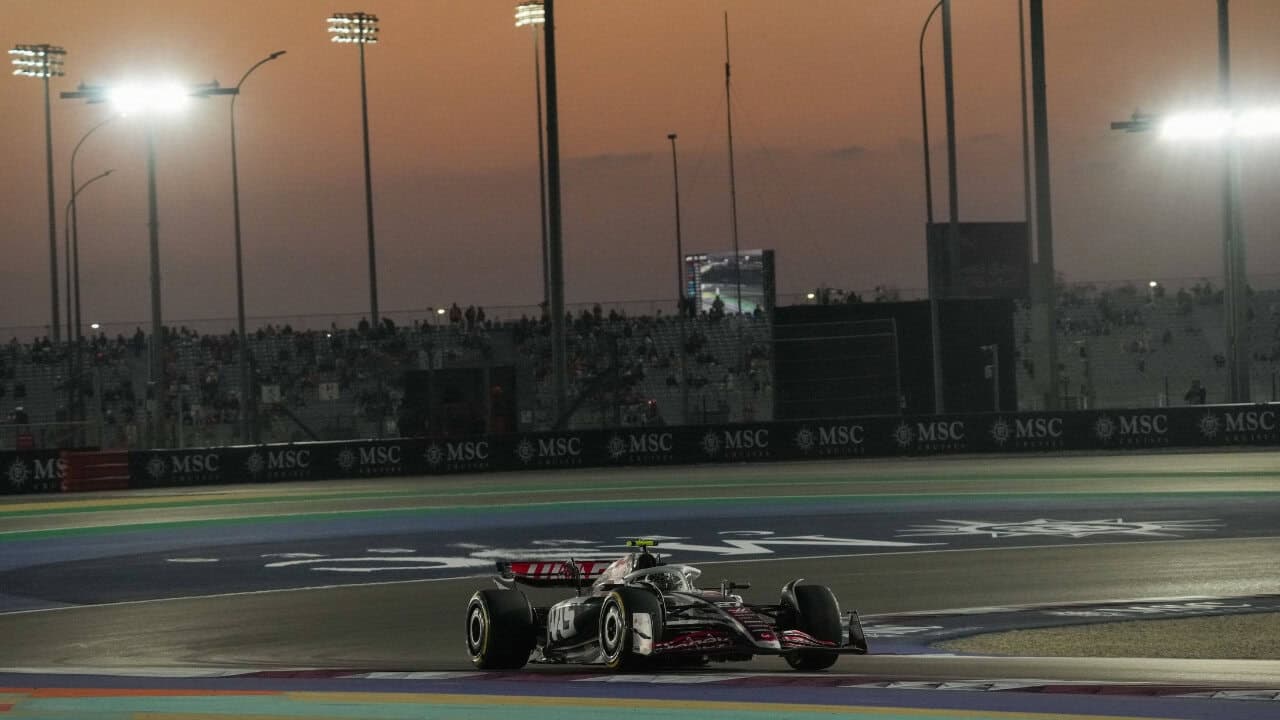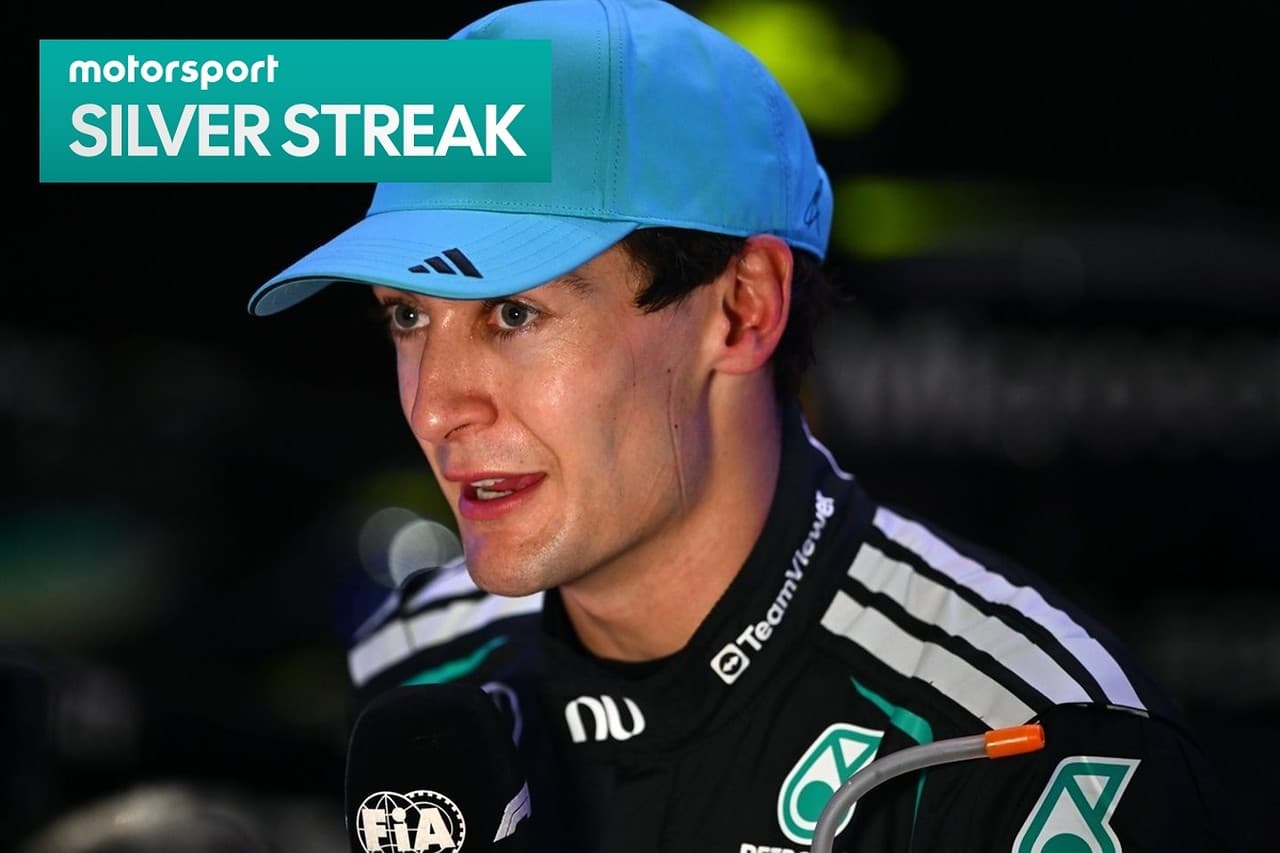
LUSAIL, QATAR - George Russell: Qatar GP debris "unacceptable" after costly floor damage - and he's not mincing his words. The Mercedes driver left Lusail International Circuit fuming after a stray piece of track debris tore through his floor and derailed what should have been a straightforward points haul. In a sport where tenths decide championships, Russell's post-race verdict landed like a thunderclap: when one piece of carbon fibre can shred a race weekend, the sport has a track-cleanliness problem it can no longer ignore.
The Qatar Grand Prix weekend at Lusail is always a physical grind - a high-speed, kerb-heavy layout that punishes floors relentlessly and rewards aerodynamic efficiency above almost everything else. Russell arrived expecting to fight at the sharp end. Instead, he spent the closing stint managing a wounded car.
Here's the quick-hit version for fans: floor damage sustained during the race, a brutal performance cliff that followed, and points left on the table in a season where the margins between glory and grid anonymity are razor-thin. Floor damage isn't bad luck anymore - it's a result-altering event.
The Moment It All Went Wrong
The timeline tells the story. Russell was running in the competitive pack when the damage struck - the kind of stray debris that appears without warning on a circuit where cars are pulling enormous loads through fast sweeps and hammering the kerbs at every apex. Mercedes spotted trouble fast: radio calls flagged a sudden drop in performance, telemetry showed downforce deltas that didn't match the expected tyre life, and the pit wall had a problem on its hands.
The real-world cost was immediate and unforgiving. A damaged floor bleeds downforce in exactly the places Lusail demands it most. Russell found himself sliding through the high-speed corners, fighting the rear, and watching tyre temperatures spiral out of control. Every lap thereafter was a damage-limitation exercise, and the lap-time bleed turned into a strategy derailment - the kind of compounding disaster that no amount of driving brilliance can fully paper over.
> 📊 Floor damage in the ground-effect era can cost a car meaningful chunks of downforce per lap - in modern F1, that's the difference between fighting for a podium and scrapping for the last points.
Why a Damaged Floor Is a Killer Blow in Modern F1
For newer fans, here's the essential truth about modern F1 machinery: the floor is the unsung hero. In the ground-effect era, it's where the majority of a car's downforce is generated. Damage it, and the chain reaction is vicious - lost downforce leads to a balance shift, the balance shift overloads the tyres, tyre overheating wrecks the stint length, and suddenly the strategists are improvising instead of executing.
Lusail is arguably one of the worst places on the entire calendar to pick up floor damage precisely because of its relentless high-load corner sequences and aggressive kerbs. There's no breathing room to nurse a wounded car.
And here's Russell's angle, which carries weight beyond one driver's bad day: this is a safety and fairness issue. When tracks aren't kept clean, drivers are literally at the mercy of whatever a previous incident left lying around. That's not racing - that's a lottery.
The Broader Frustration: Drivers vs. Debris
Zoom out and Russell's "unacceptable" line echoes a recurring flashpoint across the grid. Track cleanliness and debris have become a season-long gripe in the paddock, with drivers repeatedly calling for faster removal procedures and better sweeping of affected zones.
The sporting-fairness argument is simple: unforced damage punishes teams for factors entirely outside their control. A team can nail the setup, ace the strategy, and execute a flawless pit stop - and still lose everything because a fragment of someone else's front wing ended up in the wrong place at the wrong time.
So what do drivers actually want from the FIA and stewards? Better track sweeping between sessions, faster removal of debris during races, and genuine accountability when cleanup procedures fail. Russell's frustration isn't a rant - it's a demand for higher operational standards across the sport.
> 📊 The 2026 ground-effect regulations make floor efficiency the single biggest performance differentiator - which is exactly why drivers are calling for zero tolerance on track debris.