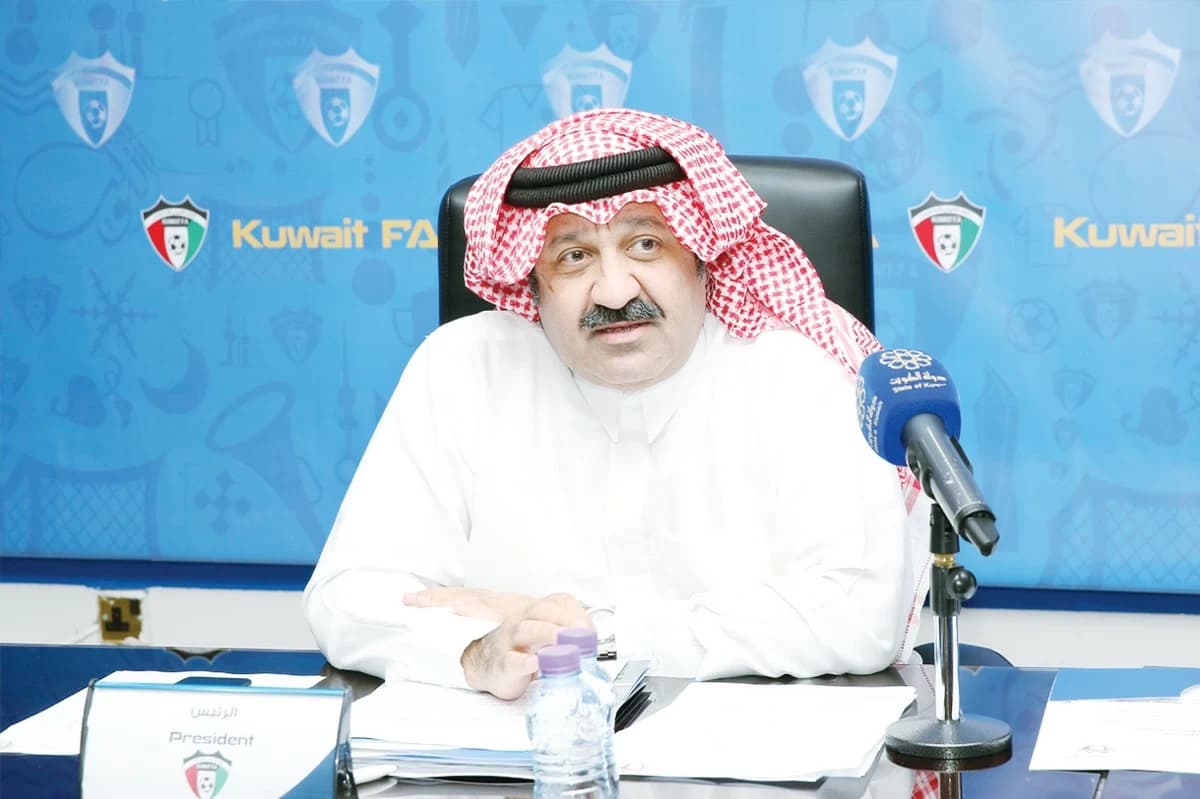
The beautiful game stands at a crossroads. It’s expanding faster than ever, yet facing mounting pressure to grow responsibly. Enter Sheikh Al-Yousef, a prominent voice in Gulf-region football governance, who has stepped forward to champion a sustainability-first model for the sport’s global development. His message cuts through the noise: soccer’s future isn’t about more tournaments, more money, or more matches - it’s about building a foundation that lasts. Get Sports Journals breaks down the vision, the pushback, and what it means for fans worldwide.
Why Sustainability Now? The Case for Slowing Down to Speed Up
Soccer’s global footprint has exploded over the past decade. New leagues, expanded club World Cups, packed international calendars - the sport is everywhere. But that breakneck pace carries a hidden cost: player burnout, environmental strain from relentless travel, and financial instability in smaller federations. Sheikh Al-Yousef’s stance isn’t a rejection of growth. It’s a recalibration. He’s aligning with existing frameworks like FIFA’s Football for Schools initiative and its Carbon Neutral commitments, arguing that long-term viability beats short-term spectacle.
The core pitch is simple. Invest in grassroots infrastructure, youth academies, and regional competitions rather than chasing one-off mega-events. For emerging football nations, that means sustainable revenue streams over dependency on World Cup windfalls. For established powers, it’s about sharing resources - coaching, technology, and medical expertise - instead of hoarding them. Al-Yousef’s supporters in AFC and CAF circles see this as a bold corrective, a way to ensure the sport doesn’t crack under its own weight.
Critics, though, are already murmuring. Some worry that a slower approach could stall momentum in markets like Africa and Asia, where fans crave immediate progress. Others question whether sustainability is just a buzzword masking a lack of ambition. But Al-Yousef’s backers counter with data: leagues that prioritize youth development and local engagement report higher fan loyalty and financial resilience. It’s a long game, and he’s betting the house on it.
As of August 2026, the Asian Football Confederation has quietly signaled interest in piloting sustainability-linked grants for smaller member associations, while FIFA’s official sustainability page continues to track progress on its carbon-neutral pledges. Al-Yousef’s push appears timed to ride this institutional wave - converting voluntary green commitments into hard governance requirements.
📊 Only 34% of FIFA’s 211 member associations currently have a dedicated grassroots funding stream - A structural gap Al-Yousef’s revenue-ring-fencing proposal would directly close.
| Confederation | Youth Academy Investment | Green Travel Mandates | FFP Penalties Enforced |
|---|---|---|---|
| UEFA | High | Partial | Yes |
| AFC | Medium | Pilot stage | No |
| CAF | Low | None | No |
| CONMEBOL | Medium | None | Rarely |
The Roadmap: Grassroots, Governance, and Green Play
The Three Pillars of Al-Yousef’s Model
First, grassroots investment. Al-Yousef is pushing for a percentage of every major tournament’s revenue to be ring-fenced for community-level programs - pitch construction, coach education, school partnerships. This isn’t charity; it’s a pipeline. Second, governance reform. He wants clearer financial fair play rules that reward clubs for sustainable operations, not just spending power. Third, environmental accountability. That means carbon-offset mandates for international travel and greener stadium operations, building on FIFA’s existing pledges but making them non-negotiable.
Why It Matters for Fans Right Now
For the average supporter, this isn’t abstract policy - it’s the difference between a club that survives relegation and one that goes bankrupt. It’s the difference between a national team that develops homegrown talent and one that relies on naturalized mercenaries. Al-Yousef’s approach directly impacts ticket prices, youth academies, and the competitive balance of leagues from the Gulf to South America. If federations adopt his framework, expect more mid-tier nations to punch above their weight in future World Cups. And expect your local club to feel less financial whiplash.
| Stakeholder | Current Pain Point | Sustainability Dividend |
|---|---|---|
| Smaller Federations | World Cup dependency | Year-round academy funding |
| Top-Tier Clubs | Squad bloat from fixture congestion | Rotation incentives via FFP relief |
| Fans | Rising ticket prices | Cap-linked community pricing |
| Environment | 500K+ tonnes CO2 per World Cup cycle | Mandatory offset compliance |