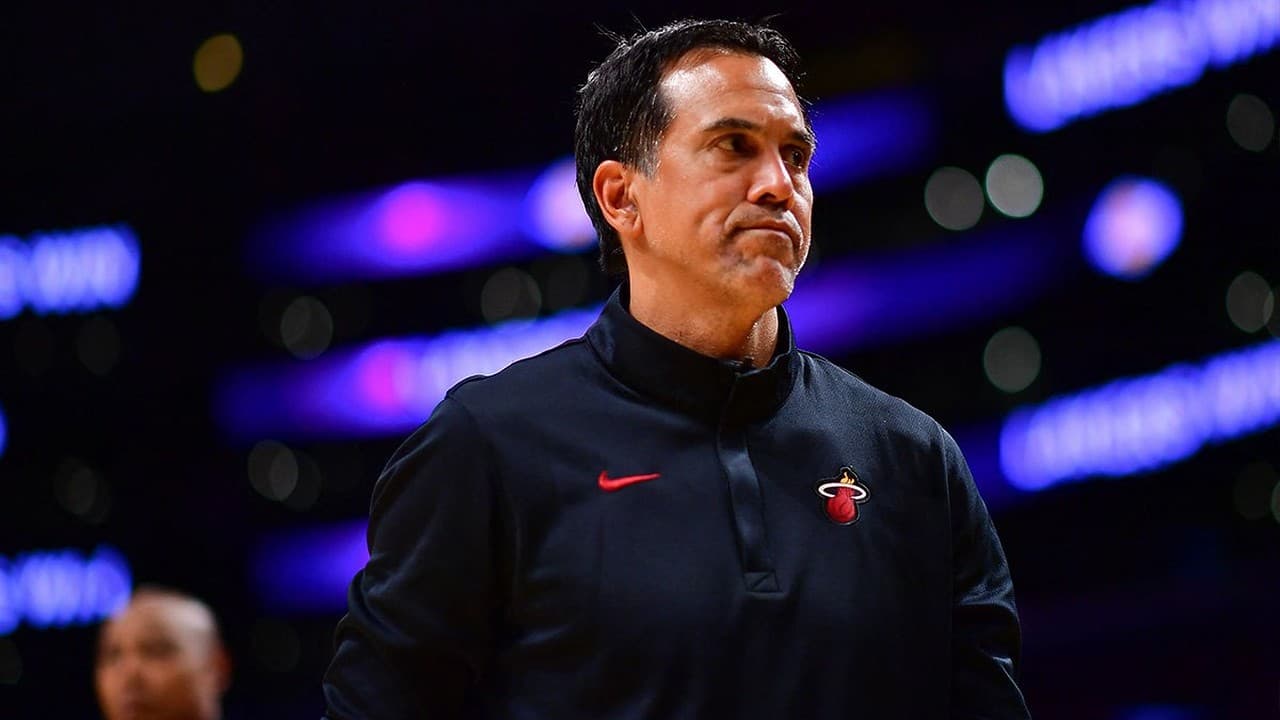
The Miami Heat have a problem most coaches would trade their clipboard for: too many playable basketball players. And as Erik Spoelstra admits 'tough decisions' loom over his rotation, the Heat's mastermind is staring down one of the trickiest juggling acts of his Hall-of-Fame-caliber tenure. This isn't a talent crisis - it's a rotation crisis of riches.
Spoelstra's use of the phrase matters precisely because of who's saying it. A two-time NBA champion coach with more than 800 regular-season wins and a reputation for squeezing every drop out of every roster he's touched doesn't toss around "tough decisions" as filler. When he signals that real, deserving players will sit, that workloads and roles are still being negotiated rather than handed out, it's a genuine competitive alert - not coach-speak. Depth versus continuity. Development versus winning now. That's the balance beam he's walking.
The Depth Problem - and Why It's a Good Problem
Here's the reality: Miami's roster gives Spoelstra more playable bodies than rotation spots, particularly in the crowded guard and wing rooms where minutes battles have become an annual Miami tradition. This is a familiar pattern. In seasons with roster turnover or logjams on the perimeter, Spoelstra has historically opened camp and the early schedule with the same language - a coach openly acknowledging that competition is live and nothing is guaranteed.
The trade-off cuts both ways. A deep rotation keeps legs fresh through an 82-game grind and creates daily accountability - nobody coasts when the guy behind him is hungry. But it costs chemistry. Predictable closing lineups are the currency of winning basketball, and indecision in November has a nasty habit of costing games in March.
| Factor | Pulls Toward Depth | Pulls Toward Continuity |
|---|---|---|
| Player development | Young players need real minutes to grow | Vets claim those minutes to win now |
| Regular-season grind | Fresh legs, load management, injury insurance | Stable units build chemistry |
| Accountability | Every practice spot is contested | Defined roles calm the locker room |
| Closing games | Matchup-based flexibility | A trusted five that knows each other |
> 📊 Two championship rings and 800+ career wins - Spoelstra's résumé means his "tough decisions" language carries weight, not just polite filler.
What's at Stake in the Rotation Puzzle
Early-season identity is on the line. The Heat need defined closing fives and dependable bench units, and Spoelstra has to reconcile two clocks running at different speeds: young players who need real minutes to develop, and veterans who claim those minutes because they win games right now.
Then there's fit. Spoelstra has historically favored certain on-court pairings - switchable defenders, decision-makers who can play off the ball, lineups that survive without a traditional creator - and steered away from combinations that get hunted on defense or clog the paint. Those preferences, verified against current lineups, will shape who closes and who watches.
And don't sleep on locker room dynamics. Named roles calm rotations; vagueness breeds frustration. Spoelstra's entire reputation is built on managing exactly this - keeping a competitive group bought in while minutes fluctuate. A coach who has held together championship teams and mid-season reinventions knows the temperature of his own locker room better than anyone.
How Spoelstra Historically Solves It - and What to Watch Next
The track record says expect gradual narrowing, not a sudden overhaul. Spoelstra's teams typically stabilize rotations by mid-season as roles clarify - auditions early, adjustments based on matchups, injury openings that force answers, and load management shaping who earns late-game trust. He's done this dance before, and he tends to land on his feet.
So over the next 10 - 15 games, keep your eyes on three things: closing-lineup usage (who's on the floor in crunch time is the real depth chart), minutes trends for the bubble players fighting for the eighth and ninth spots, and Spoelstra's next round of media comments for hints at which roles are crystallizing. As the season unfolds, fans can track live rotations and Heat coverage through ESPN's NBA hub and the official Miami Heat site.
Because when the "tough decisions" finally get made, someone gets squeezed out - a real player, with a real case, sitting in a real uniform. The question isn't whether Spoelstra can solve the puzzle. It's how long the solve takes, and who's left standing in the closing five when the music stops.