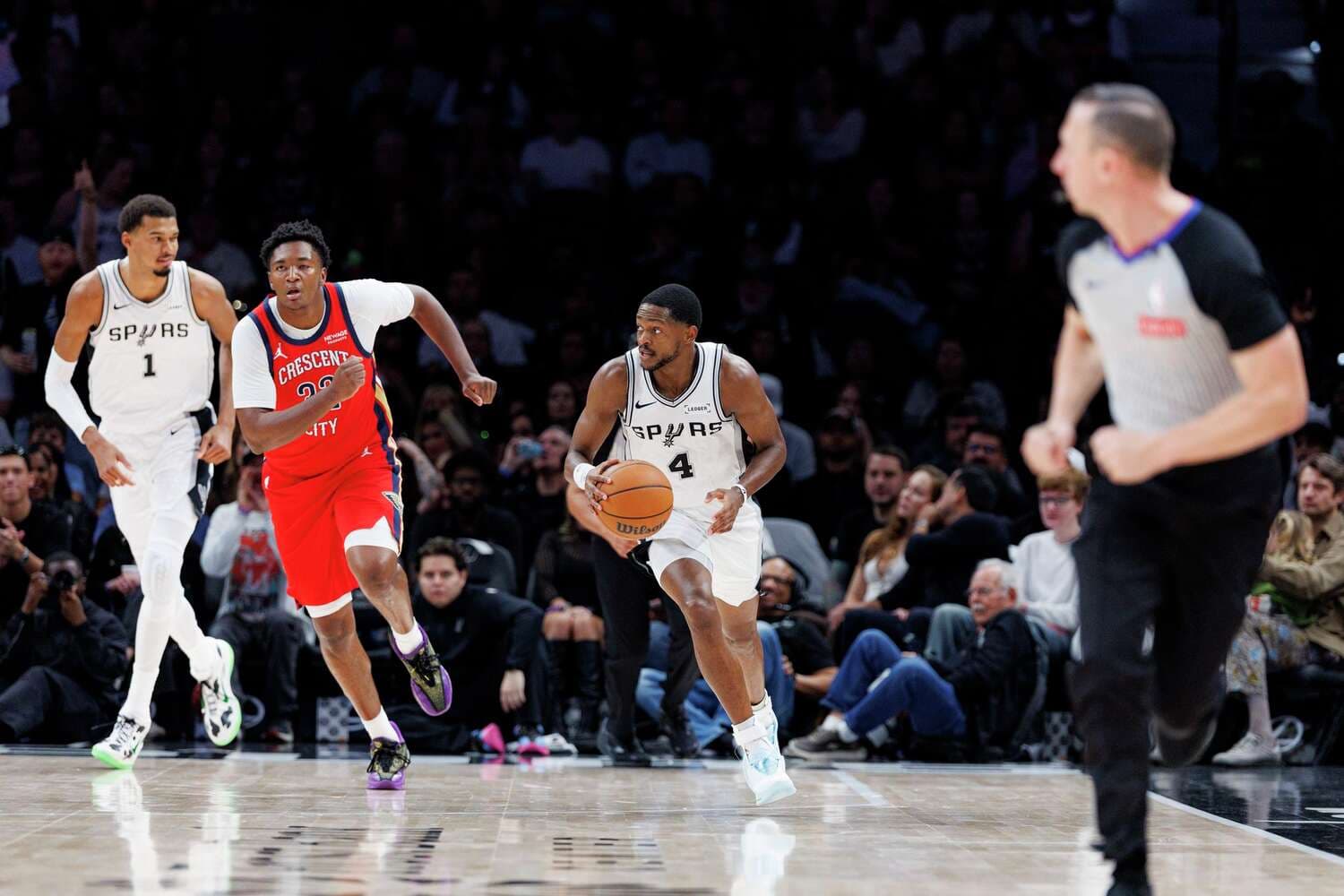
Editor's note: This story follows a reporting thread that has surfaced around a Spurs - Pelicans matchup in late November 2026. Because game-day specifics like final scores and postgame quotes can shift with late beat updates, we've built the piece around the well-documented NBA practice of skipping shootaround and what it changes on the floor. Cross-check the latest game book on NBA.com and team channels before quoting numbers as final.
Every NBA fan knows the ritual: the 10 a.m. shootaround, the sleepy layup lines, the half-speed walkthrough before a night tip. For decades it was gospel. In 2026, it's a coin flip.
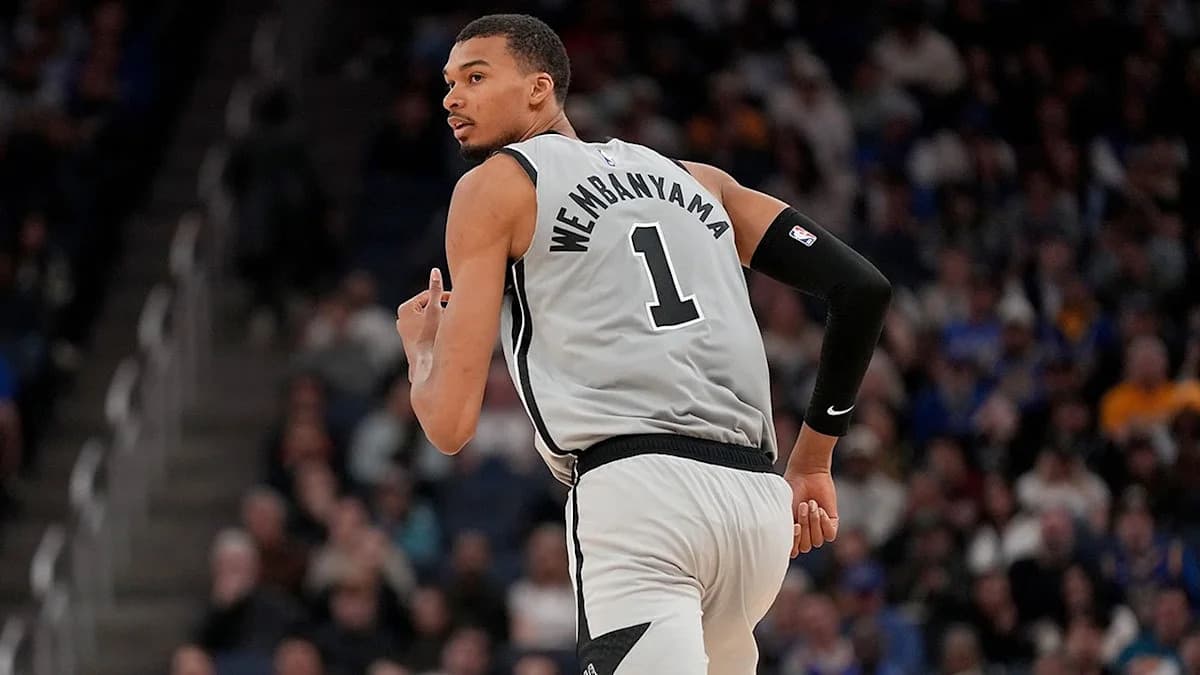
And according to the game-day chatter coming out of San Antonio's camp, the Spurs flipped it - skipping the morning session entirely before facing New Orleans. They traded routine for rest and let fresh legs do the talking. The storyline behind how skipping shootaround helped the Spurs beat New Orleans isn't about superstition. It's about sports science, a young roster, and a coaching staff willing to buck tradition in a league where every marginal gain matters.
The Setup: Why Shootaround Gets Skipped in the Modern NBA
Shootaround - the optional game-day morning session - is no longer sacred. Front offices now weigh it against sleep data, travel miles, and load-management science, and more often than not, rest wins. That calculus hits hardest for West Coast road teams grinding through compressed schedules. The Spurs' youthful 2026 core has been built to run, and running requires legs that aren't spent before tipoff.
San Antonio's staff has leaned into a rest-first philosophy, treating the training room as seriously as the film room. New Orleans, by contrast, has historically leaned on shootaround reps to set its game-day rhythm. So the strategic gamble was clear: sacrifice morning routine for fresher bodies and a sharper mental edge. It's a bet that only pays off if the players can flip the switch at 7 p.m. And that's where preparation without the morning reps became the real story.
What Skipping It Changed on the Floor
Fresher Legs, Faster Start
The most visible dividend of a skipped shootaround is a first-quarter surge. With no morning wear on the tires, San Antonio's pace and transition attack came out humming against a Pelicans team working off standard prep. Defensive intensity arrived early too - active hands, early rotations, the kind of energy that usually shows up in the fourth quarter, not the first.
> 📊 Skipping shootaround trades ~60 - 90 minutes of morning court time for recovery - in a league where rest and sleep are now treated as competitive advantages, that trade-off is the whole argument.
The bench factor matters just as much. Young legs saved in the morning become extra minutes at night, and San Antonio's depth has been its calling card. The question every coach asks: does that early juice hold late? That's where the fourth-quarter margin becomes the real scoreboard for this experiment.
Preparation Without the Morning Reps
Here's the nuance fans miss - skipping shootaround doesn't mean skipping preparation. It means relocating it. Film sessions and walkthroughs replaced on-court reps, and San Antonio's famously detail-heavy staff used the morning to install coverages and review New Orleans' tendencies without a single jump shot.
Players spent the morning in the training room instead of the gym. The real "shootaround" happened in-game - through coach-to-player communication and timeout adjustments. That's the modern blueprint: preparation off the floor, execution on it. If the legs are fresh and the game plan is crisp, the morning reps become optional overhead rather than essential ritual.
| Factor | Traditional Shootaround | Skipped Shootaround |
|---|---|---|
| Morning court time | 60 - 90 minutes of reps | Zero - film and walkthrough only |
| Leg freshness at tipoff | Reduced after morning load | Maximized for pace and transition |
| Preparation method | On-court installation | Film room, training room, in-game adjustments |
| Biggest risk | Fatigue in back-to-backs | Slow offensive start, rhythm issues |
| Best fit | Rhythm-dependent teams | Young, deep, pace-and-space rosters |