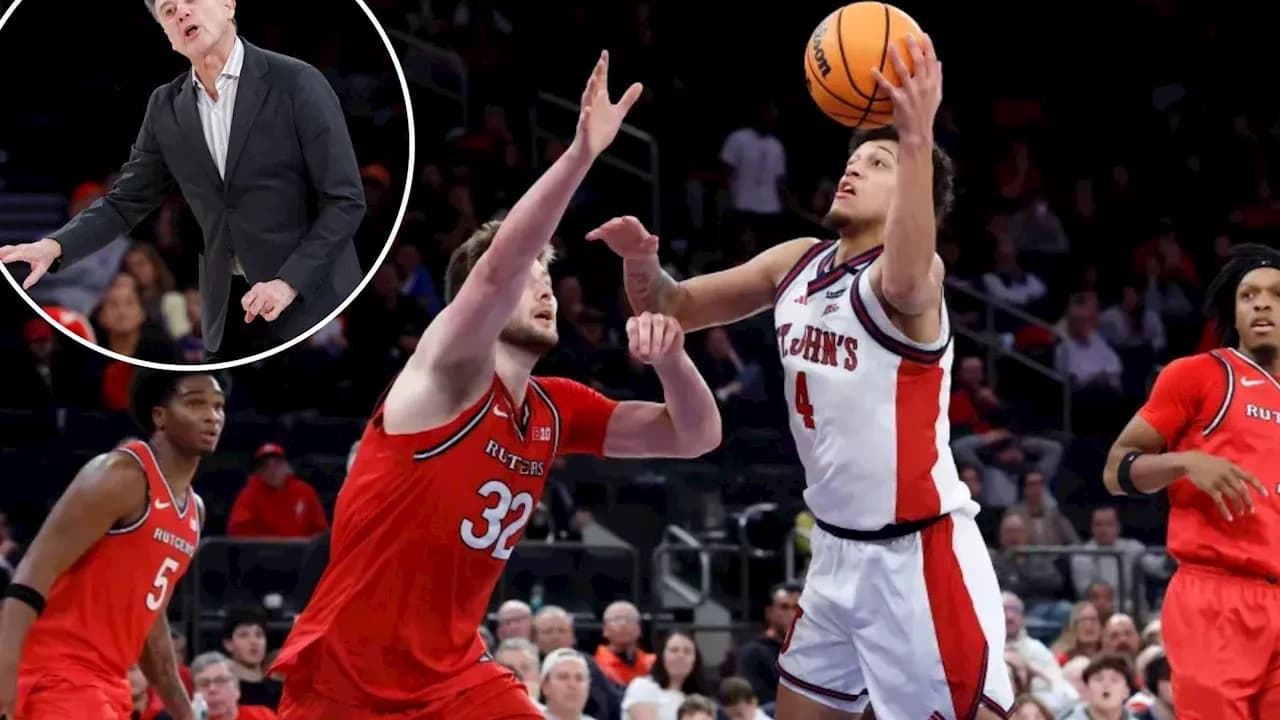
The Johnnies are 3-2. Five games into a long season, St. John's has already let winnable contests slip away, and fans are doing what fans do in October and November: reaching for the panic button. Here's the reality check. This slow start isn't a crisis - it's the predictable entry on the ledger for a roster still learning to play as one. New faces, new roles, new chemistry. That invoice always comes due early.
This is a construction site, not a red flag. The gap between individual talent and collective execution tells the whole story of this stretch: breakdowns on both ends, rotation questions, possessions that end in isolation instead of connection. The coaching staff's message has been steady, and the players have echoed it. "Trust is going to come," goes the refrain from the locker room - and the film over the next several weeks has to make good on that promise.
The ugly parts are honest ones. St. John's isn't losing because the talent isn't there. It's losing because the connective tissue hasn't formed yet - hesitancy on reads, missed rotations, late help. That's what growing pains look like in real time.
Where It Hurts: The Three Growing Pains Killing St. John's Early
Chemistry and Trust on the Floor
Watch the tape and the symptoms jump out: a shooter hesitating half a beat on the kick-out, a big rotating late on the tag, a guard picking up his dribble when the extra pass was there. Trust in basketball isn't a vibe - it's spacing, it's the extra pass, it's help defense arriving on time. None of that exists without real minutes together, and this group simply hasn't logged them.
📊 3-2 through five games - an early win-loss line that reflects integration, not identity, for a St. John's team still writing its own connective tissue.
The intent is there. Players say the right things, and the staff preaches patience and precision. The execution lags behind. That gap between message and film defines the early season, and it closes with reps, not rhetoric.
Roles Still Being Written
Who closes games? Who owns the ball late? Who's the defensive tone-setter when the building gets loud? Those questions remain open, and open questions cost you at winning time. Early-season role fluidity is normal across college basketball, but right now it's dumping points into the loss column for the Johnnies.
The staff is auditioning lineups and teaching simultaneously - a hard balancing act. It's also precisely the window where bad losses get donated away for free. The fix isn't urgency; it's clarity. Once players know exactly who they are and what's expected, the hesitation disappears.
Schedule and Timing Ain't Doing Them Any Favors
Early tests against real competition expose a team mid-construction faster than soft matchups ever would. That's a feature, not a bug. These games are live reps against quality opposition - hard truths now, sharpened edges in January. The staff would rather learn the truth in November than get blindsided by it in conference play. The calendar is doing St. John's a favor even if the scoreboard pretends otherwise.
The Case for Calm: Why Trust Is the Right Bet - and What to Watch For
Here's the honest counterweight: growing pains follow a curve, and the indicators that matter now are process-based, not scoreboard-based. Watch the assist-to-turnover trend. Watch late-game execution in the final four minutes. Watch defensive communication on switches and bench-to-starter cohesion when the second unit checks in. Those are the leading indicators of trust arriving - and they move before the win column does.
| Indicator | What It Looks Like |
|---|---|
| Assist-to-turnover trend | Extra passes replacing forced shots; cleaner possessions |
| Late-game execution | Composure, organized sets, made free throws in crunch time |
| Defensive communication | On-time rotations, clean switches, loud help |
| Bench-to-starter cohesion | Seamless lineups; second unit sustaining leads |