The Pittsburgh Steelers have a problem. It's the same problem they've had for years now. Throw first-round picks at it - doesn't matter. Spend big in free agency - doesn't matter. The offensive line remains the weakest link on a team with playoff aspirations, and half-measures aren't cutting it anymore.
Three weeks into the 2026 season, the eye test and the numbers tell the same story: this unit is holding the Steelers back. The Pittsburgh Steelers need to make sweeping offensive line changes - not another depth-chart shuffle, not another "let's see how it looks in October." Real, structural change.
The Investment Isn't Paying Off
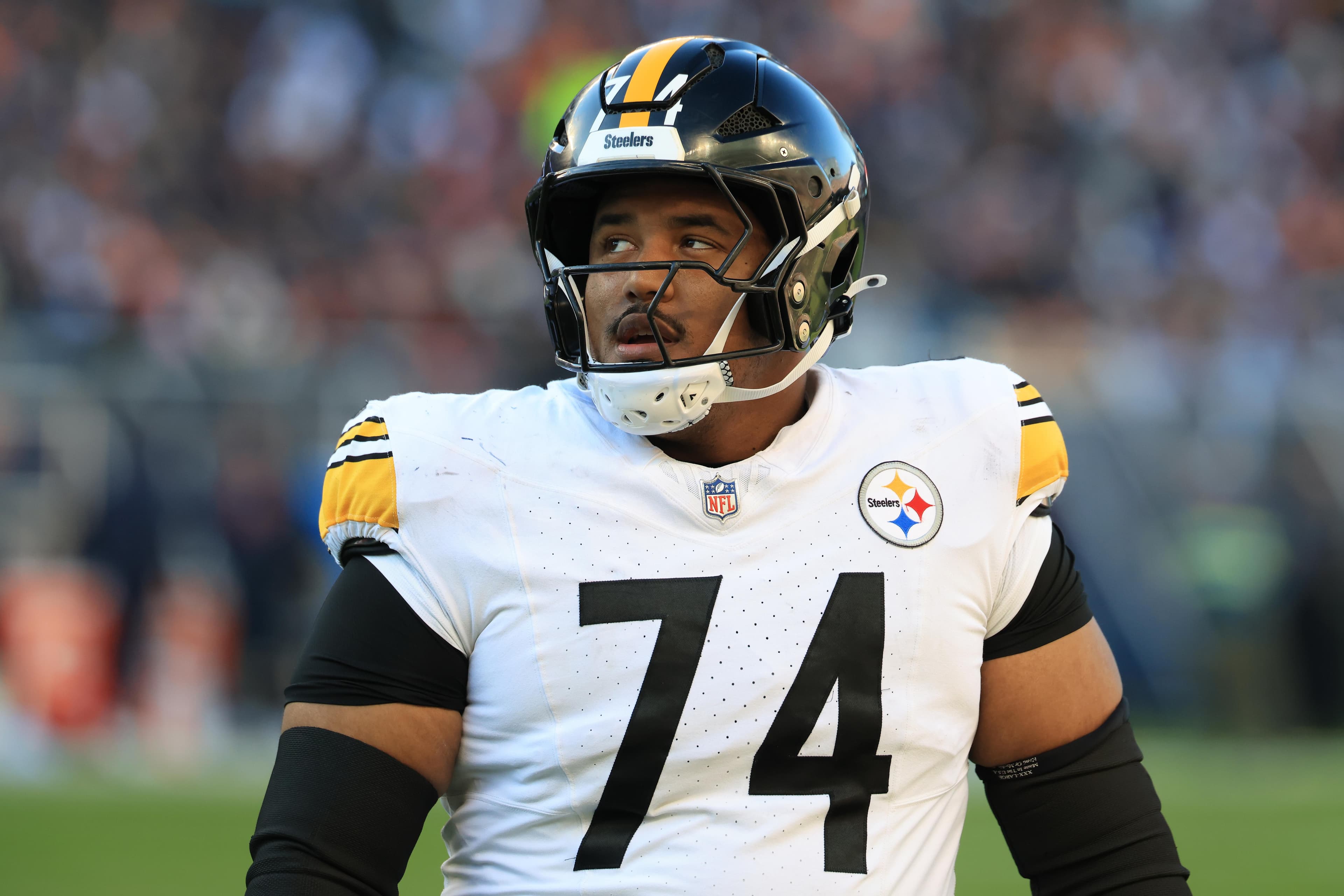
Start with the receipts. General manager Omar Khan selected Broderick Jones out of Georgia in the first round of the 2023 NFL Draft. A year later, he doubled down, grabbing Troy Fautanu from Washington in the first round of 2024. Add multiple free-agent signings and interior depth picks across the 2023 - 2025 window, and Pittsburgh has poured serious, premium resources into rebuilding the trenches.
And yet? The returns have been underwhelming at best. The pressure rate on the quarterback keeps climbing. The push in short-yardage situations - the kind of downs where identity is forged - is basically nonexistent. Talent acquisition alone hasn't fixed the problem. That's the uncomfortable truth Steelers fans have watched play out in real time.
📊 Two first-round tackles since 2023 - Jones and Fautanu represent massive draft capital for a unit that still can't protect the passer consistently.
A Revolving Door at Every Spot
Part of the issue is continuity - or the total lack of it. Injuries, positional cross-training, and week-to-week lineup shuffling have prevented this group from ever gelling. First-round picks have bounced between left and right tackle like ping-pong balls. The interior has featured a rotating cast at both guard spots and center. That instability compounds every other flaw: you can't build chemistry when nobody knows who's lining up next to them on Sunday.
Continuity isn't a luxury. It's the foundation every elite offensive line is built on. Pittsburgh hasn't had it in years.
Why Half-Measures Won't Cut It
Tinkering with one position or swapping a single starter isn't enough anymore. This isn't a one-player problem - it's a systemic one. The problems run deeper: communication breakdowns in pass protection, an inability to generate movement on inside runs, and a scheme that too often leaves linemen on an island against athletic rushers.
The Coaching Question
Offensive line coach Pat Meyer has overseen this unit through the rough stretch, and his status deserves real scrutiny. If the techniques and protection calls aren't translating to game day - after multiple years and multiple high picks - the Steelers have to ask the hard question: is this coaching staff the right fit for this personnel? A fresh voice with a proven track record of developing young linemen could unlock the talent that's clearly on the roster.
Scheme and Philosophy
Pittsburgh also needs an honest reckoning with its blocking scheme. Are the Steelers asking athletic, zone-suited tackles to play a power-heavy style that doesn't match their skill sets? Are the protection concepts giving the quarterback enough time to operate? Sweeping changes mean aligning scheme with personnel - not forcing players into a system that neutralizes their strengths. That's a coaching and front-office decision, and it's overdue.
NFL.com's analytics staffers have repeatedly flagged offensive line cohesion as one of the strongest predictors of offensive efficiency. The Steelers keep testing that theory. It keeps winning.
What Sweeping Changes Should Look Like
Real change requires more than a depth-chart tweak. Here's the blueprint:
1. Reset the starting five. Identify the best combination by skill set, commit to it, and stop the rotation. Continuity is a coaching choice as much as a talent one.
2. Rebuild the interior. Center and guard play has been the weakest link. Whether through free agency, a trade, or the draft, the Steelers need proven, durable interior blockers who can anchor against power rushers.