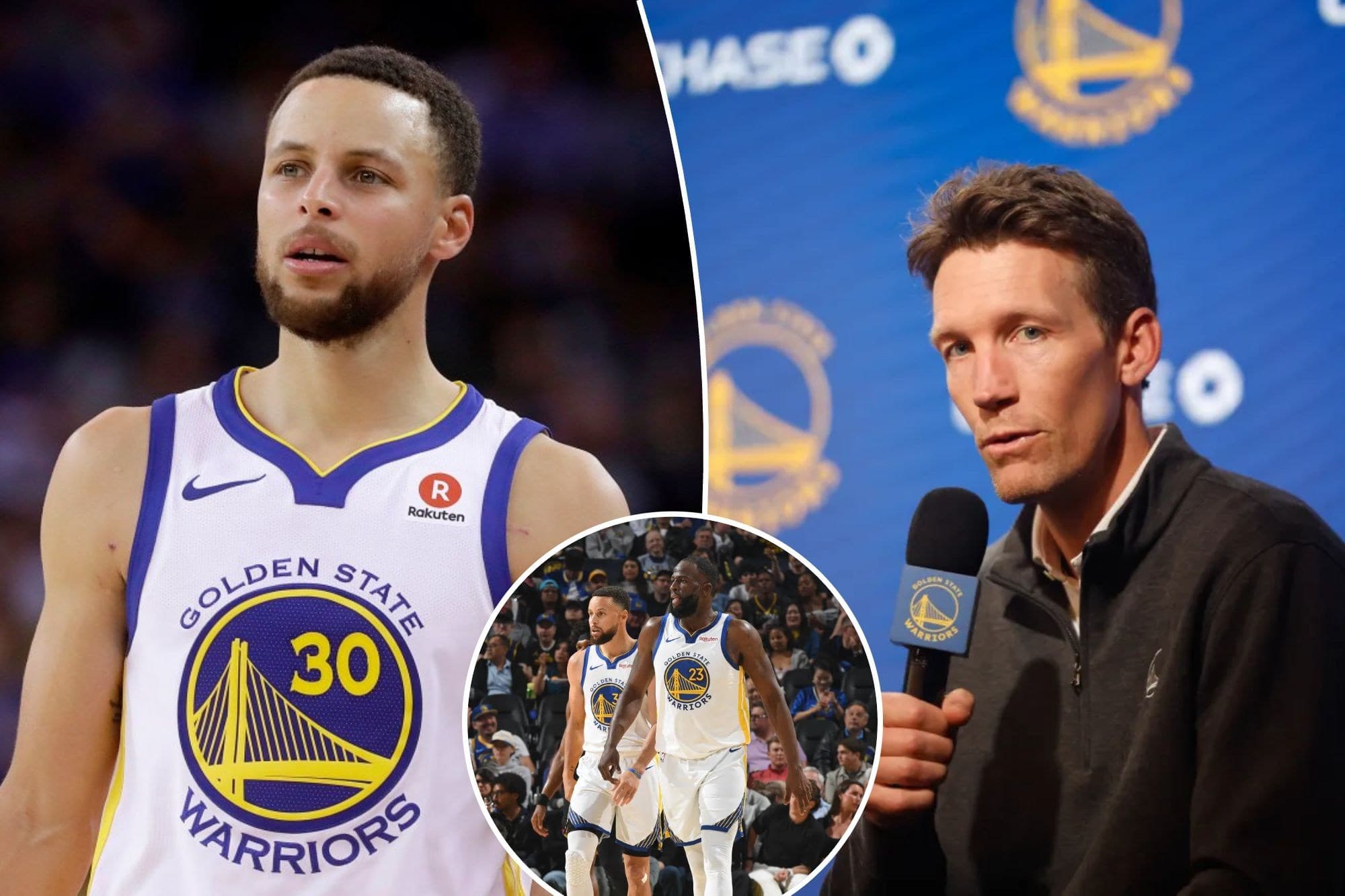
The silence is over. For years, Stephen Curry played the ultimate company man - diplomatic at the podium, quick to deflect blame, forever praising teammates, never once airing Golden State's dirty laundry in public. That era ended this week. In a candid sit-down with reporters, Curry finally said what the entire Bay Area has been screaming at their televisions for three seasons: the Warriors' front office has failed to build a roster worthy of his remaining prime. And honestly? It's about damn time somebody said it out loud.
Curry didn't name names. He didn't have to. Anyone who has watched this franchise stumble through questionable draft picks, missed trade opportunities, and a two-timeline experiment that delivered on neither timeline knows exactly who he was talking about. The message landed like a Steph logo three from 35 feet - no hesitation, no conscience, nothing but net.
The Quiet Frustration That Finally Boiled Over
What Curry Actually Said - And Why It Hit Different
This wasn't a throwaway line after a tough loss. Curry's comments carried the weight of a superstar who can hear his career clock ticking louder than ever. He's 38 now. Still producing at an All-NBA level. Still dragging a roster with too many holes and not enough answers. When he says the organization needs to be "honest about where we are," that's not a player venting. That's a leader issuing a warning shot.
The two-time MVP and four-time champion has maximized every ounce of leverage a player can earn. He stayed loyal when others would have walked. He recruited. He sacrificed touches, shots, and spotlight. What he has never done - until now - is publicly question the people upstairs. That restraint is precisely why this moment matters. When the most patient superstar in the league stops being patient, the front office should be terrified.
📊 Curry is 38 years old and still performing at an All-NBA level - every season the Warriors waste is a season they can never give back.
The Two-Timeline Disaster That Started It All
Rewind to the aftermath of Kevin Durant's departure. The Warriors sold fans a dream: compete for championships now while developing the next generation. Draft James Wiseman at No. 2 overall. Keep the young core intact. Bridge the gap. Except the bridge never held. Wiseman is long gone, and the development curve of the remaining young pieces has been stop-start at best. Meanwhile, Curry's prime years ticked away while the front office played the long game in a league that waits for absolutely nobody.
| Asset | Original Plan | Current Reality |
|---|---|---|
| No. 2 pick (2020) | Franchise big man | Traded away, minimal return |
| Young core | Bridge to next era | Inconsistent, stop-start development |
| Curry's timeline | Win now | Prime years burned |
The draft capital that was supposed to extend the dynasty instead became a cautionary tale taught in front offices across the league.
The Front Office Failures That Got the Warriors Here
Missed Moves and Max Contracts That Aged Badly
Golden State's cap sheet reads like a horror novel for anyone who loves this team. Massive money went to players who couldn't stay healthy or couldn't produce when it mattered most. Trade opportunities came and went because the front office overvalued its own assets. And when the moment demanded a bold swing - a genuine second star to pair with Curry - management blinked. Again and again and again.
That's the "failure" Curry is referencing. Not one bad move. A pattern. A philosophy that treated draft picks like lottery tickets and Curry's window like it would stay open forever. It won't.
📊 The Warriors have repeatedly passed on blockbuster trades rather than surrender future assets - and Curry's championship window is the collateral damage.