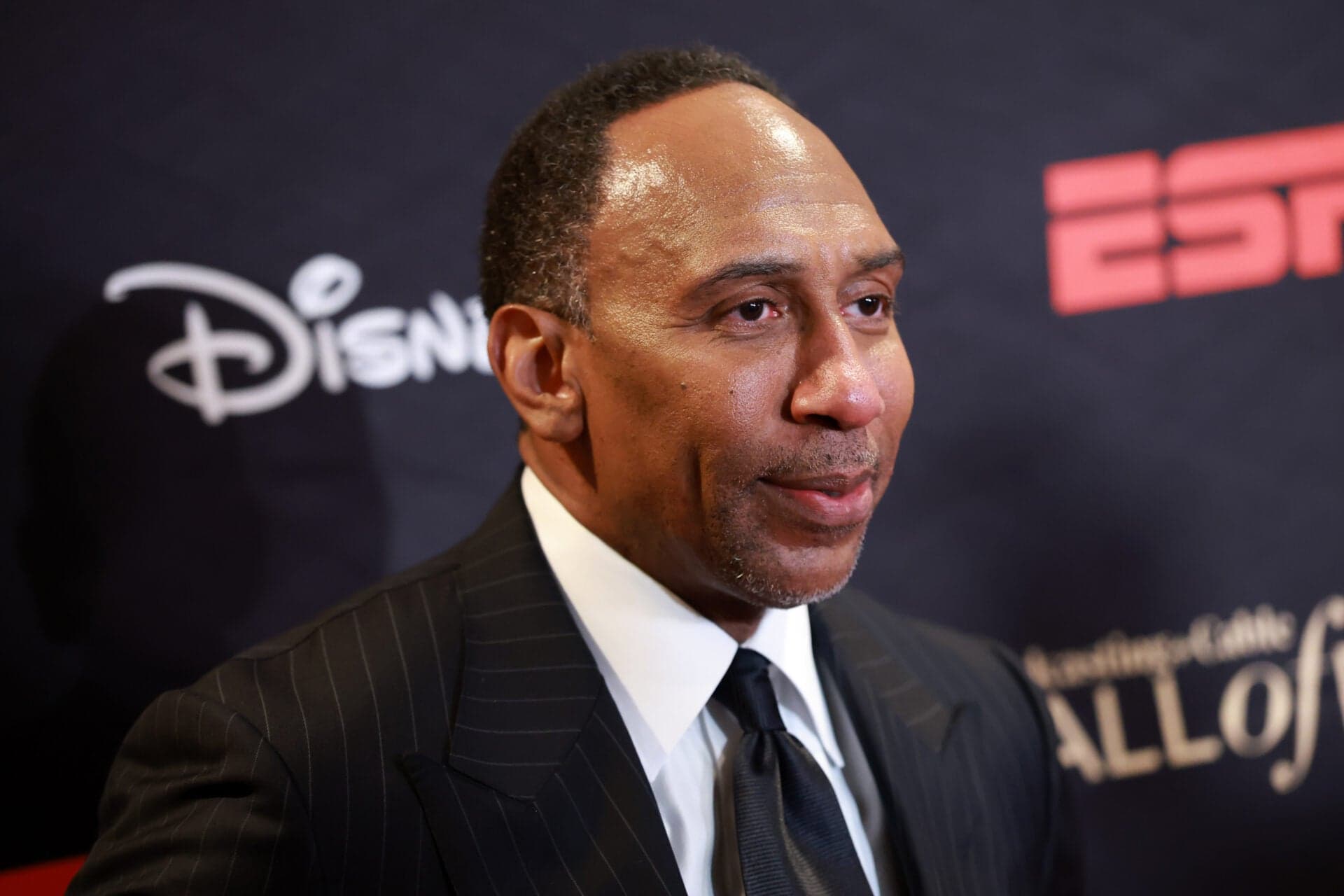
Stephen A. Smith has built a career on calling out hypocrisy. So when it comes to the NBA's tangled, money-soaked relationship with sports betting, the loudest voice at ESPN has been sounding the alarm for years. His argument never changes: the league happily cashes checks from sportsbook partners while dropping the hammer on players for gambling-adjacent violations. That contradiction - the league getting rich off betting while players get punished for it - fuels the conversation fans now know as Stephen A. Smith calls out hypocrites over NBA's sportsbook partnerships, but pardons Victor Wembanyama. Here's why that phrase hits so hard, and where the logic gets messy.
The Firestarter: Why Stephen A. Smith Keeps Blasting the NBA's Gambling Cash
Smith doesn't do subtle. He has long hammered the idea that the NBA promotes betting partners across broadcasts, jerseys, and ad breaks - then turns around and disciplines players under its gambling rules. On First Take and across his platforms, he's positioned himself as the rare media heavyweight willing to name that double standard out loud.
Look at what fans actually see. Betting odds crawl across the screen during nationally televised games. Sportsbooks carry "official partner" branding. The money is enormous and public. Yet when a player runs afoul of gambling policy, the punishment is swift and severe. Smith's on-air posture - disbelief, disgust - amounts to this: the league wants the revenue without the responsibility.
That's the "hypocrites" framing, and it resonates because it isn't a niche gripe. Every fan with a sportsbook app already senses it in their gut.
Table: The NBA's Betting Money vs. Player Discipline
| Category | What Fans See | The Contradiction |
|---|---|---|
| League revenue | Sportsbook partnerships, ads, jersey patches | League profits directly from betting |
| Broadcast product | Live odds, betting segments, sponsored content | Betting is normalized on-air |
| Player discipline | Fines, suspensions for gambling violations | Players punished in the same ecosystem |
📊 The NBA's gambling revenue is a multi-billion-dollar engine - which is exactly why Smith's critique lands: the league isn't a bystander to betting, it's a primary beneficiary.
Why This Argument Resonates With Fans
Fans don't need a study to feel the tension. They watch the same ads Smith does. They see the same odds tickers. And they notice the same asymmetry. League revenue from betting partners is real and widely reported; the discipline cases get publicized just as loudly. When Smith points at that gap, he isn't manufacturing outrage - he's narrating what's already on everyone's screen. The critique lands less like a hot take and more like an overdue confession from the league itself.
The Pardon Problem: Where Smith's Consistency Gets Tested
Here's where things get uncomfortable. If Smith is the self-appointed watchdog of hypocrisy, his treatment of superstars becomes the ultimate stress test. And no superstar has received more wall-to-wall, benefit-of-the-doubt coverage than Victor Wembanyama. Since going No. 1 overall in 2023, the San Antonio Spurs phenom has drawn relentless hype - and relentless protection. Every misstep gets softened. Every rough stretch gets excused. Every headline gets the hype treatment.
So the question fans keep asking is fair: does Smith apply the same scrutiny to a generational star's conduct that he applies to the league's betting machine? That's the "pardon" in the headline - and precision matters here. To be clear, there is no verified, dated Stephen A. Smith segment where he formally "pardons" Wembanyama over a specific gambling or conduct issue. This is a question about a pattern - the star-protection reflex that runs through all of sports media.
The Star-Protection Reflex in Sports Media
It isn't a Smith-only problem. Big-market and generational talents get the benefit of the doubt in ways role players never do. A veteran bench guy gets shredded on air for the same behavior that earns a star a gentle "he's still learning" from the desk. That's the double standard inside the double standard. And when a commentator built an entire brand on pointing out hypocrisy, that leniency becomes the most interesting test case of all.