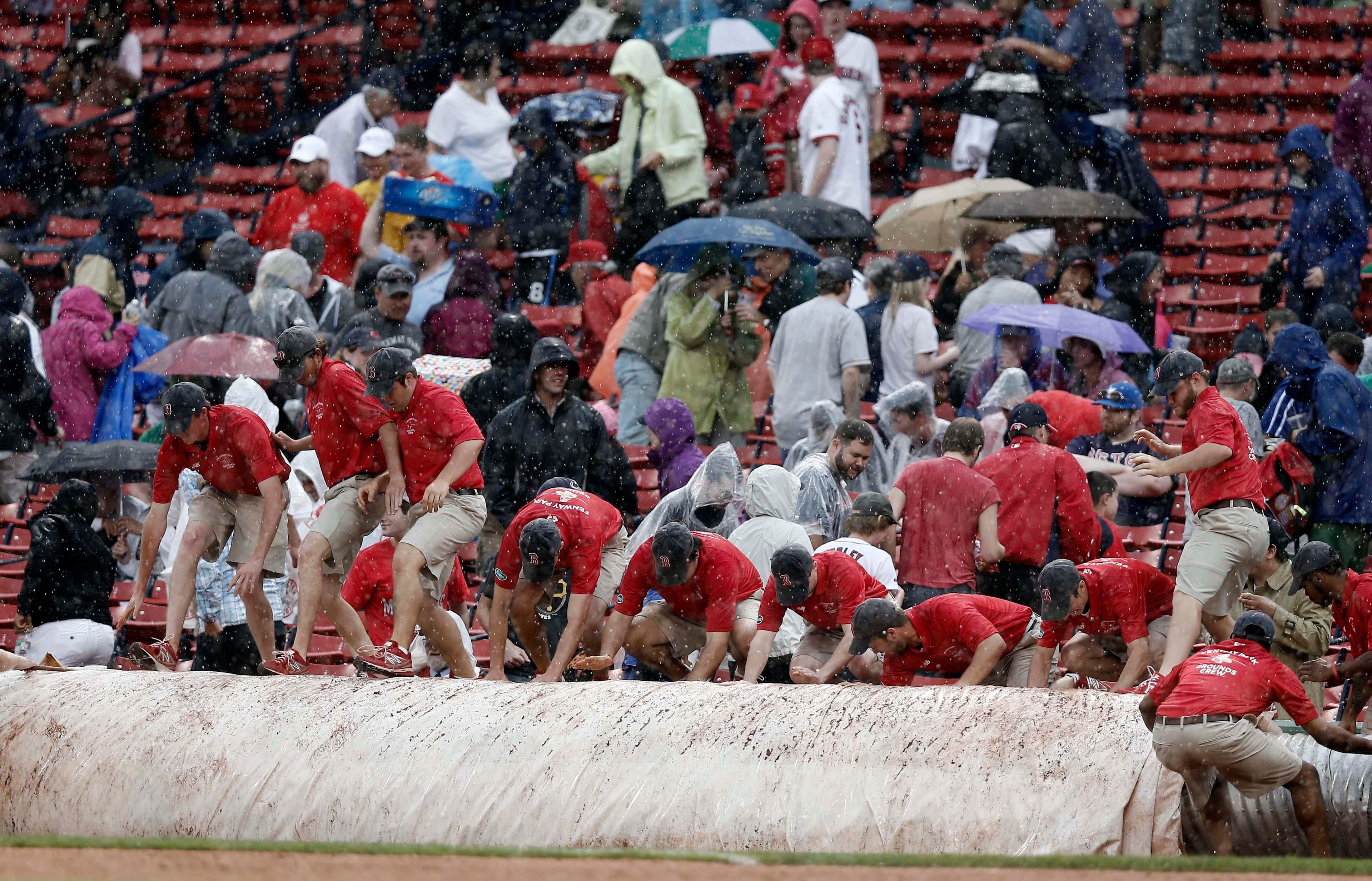
A wide band of severe weather is bearing down on the eastern half of the country just as Major League Baseball hits the home stretch. The timing could not be worse. With the regular season set to wrap on September 27, a string of storm systems is lining up to hammer ballparks from the Midwest to the Eastern Seaboard, putting crucial head-to-head series, division-deciding showdowns, and desperate wild-card chases squarely in the crosshairs. In short, a series of storms threatens to upend MLB's playoff race during the final week of the season. Nobody inside the sport is pretending otherwise.
Forecasters are tracking multiple rounds of heavy rain, gusty winds, and pop-up thunderstorms embedded in the front. The most volatile stretch lands right in the middle of a week that already features a full slate of rivalry matchups and make-or-break series. According to the National Weather Service, repeated rounds of convection are expected to ride along the front for days rather than hours. That means we're not talking about one washed-out night. We're talking about a rolling threat that could scramble the schedule night after night.
From the Heartland to the Coast, Nobody Is Safe
The funnels don't discriminate. Afternoon and evening games are the most vulnerable, and that's exactly when most of this week's marquee matchups are scheduled. Stadiums with retractable roofs give their home teams a safety valve. Everyone else is stuck playing beat-the-clock with the radar.
That's the cruel math of late September. The clubs that can close the roof keep their aces on turn, their bullpens rested, and their routine intact. The clubs that can't are left refreshing forecast models between innings. In a sport decided over 162 games, the difference between a covered diamond and an open one can feel like a playoff berth handed out by the jet stream.
And the geography is brutal. The storm band stretches from the heartland all the way to the coast, meaning playoff contenders in nearly every time zone are staring at the same radar loop and asking the same question: when, exactly, can we play?
Why Every Rainout Could Redraw the October Bracket
The Problem With Late-September Rainouts
Unlike games in April, a washed-out game in the final week of the season is a logistical nightmare. There are almost no shared off-days left on the calendar. An alternative site, or a nail-biting makeup on the day after the season is scheduled to end, is often the only option. And that makeup only happens if the game actually matters to the standings. If it doesn't, it might get wiped away entirely, with all the competitive consequences that creates.
📊 Late-September rainouts have almost no clean path to rescheduling - with the shared off-day calendar exhausted, MLB is forced into makeup games on September 28 or neutral-site doubleheaders, per league scheduling rules.
Here's the part that keeps scorekeepers up at night: the rules for wiping out a game are unforgiving. A contest that gets cancelled and isn't needed for the standings simply vanishes, and with it, a game's worth of at-bats, innings, and decisions that could have separated two teams by one game in the loss column. The official MLB rulebook lays out exactly how those decisions get made, and none of it is designed for the chaos of a season's final week.
One Inning, One Base, One Game
This is where the stakes get real. A single suspended game, picked up in a later inning, has decided division titles and wild cards before. A rain-shortened result can rob a team that was about to rally. A postponed head-to-head series in the wild-card race doesn't just wash away a night. It can change which team holds the tiebreaker and which club, through no one's fault but the weather, ends up on the wrong side of the bracket in October.