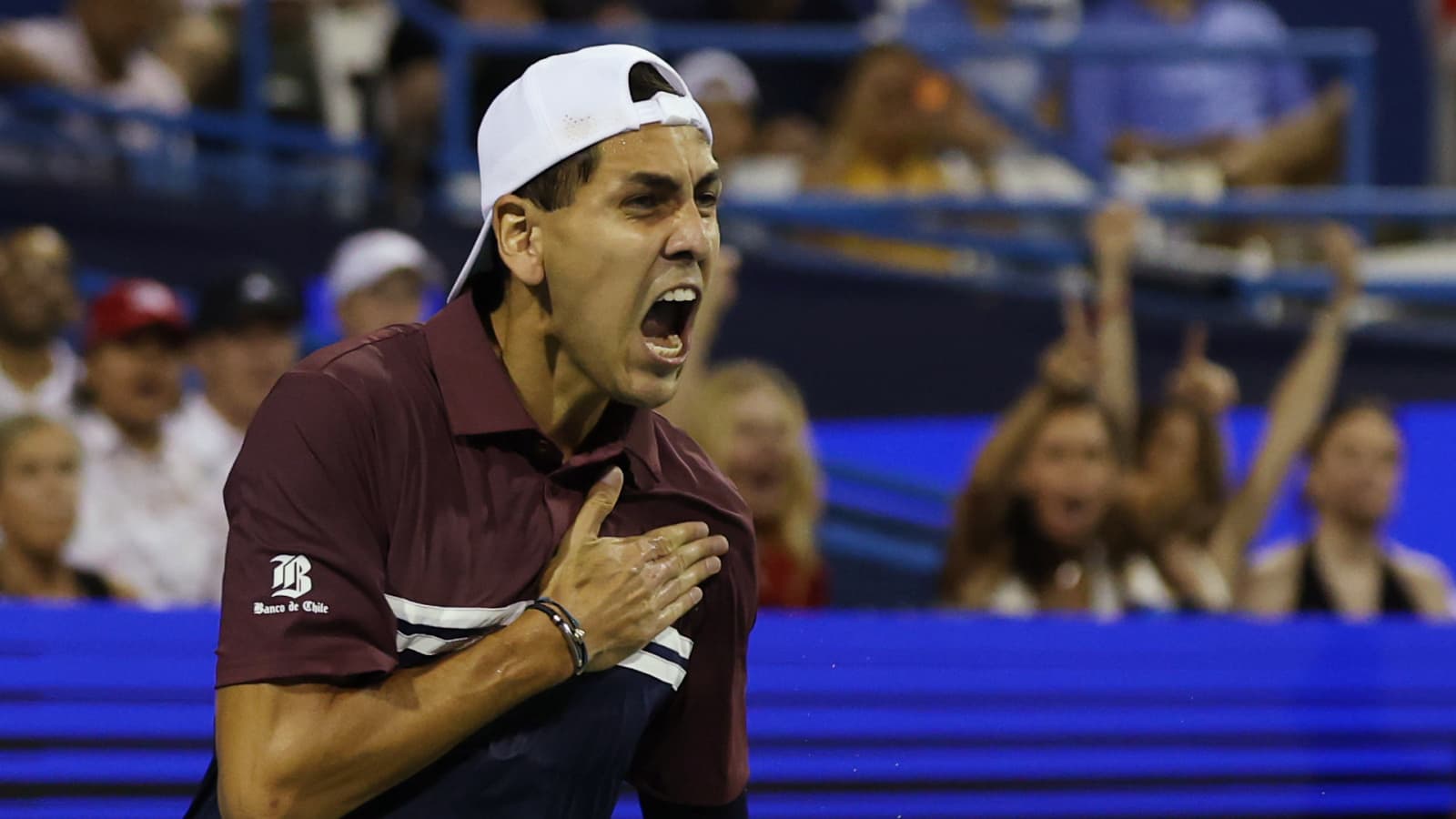
It began with a first-round exit at Wimbledon. But for Alejandro Tabilo, falling to Lorenzo Sonego in July 2025 wasn't the real blow - it was the fallout. The Chilean star revealed gamblers flooded his Instagram with threats. When they aimed at his girlfriend, the fear got personal. "When a message reaches my girlfriend it is more worrying," he told The Guardian. Twelve months on, that line has become a rallying cry for a sport still wrestling with the dark underbelly of its betting boom.
The numbers are bleak. The ITIA's March 2026 annual report flagged 412 suspicious betting alerts worldwide in 2025 - a 9% jump from the prior year. More alarming? An ATP survey from February 2026 found 67% of top-200 players have received abusive messages from gamblers, with nearly a quarter facing threats of physical harm. Tabilo's ordeal wasn't an anomaly; it was a siren.
Now, as the Citi Open unfolds in Washington D.C., the conversation has shifted from isolated stories to hard evidence. The problem hasn't faded - but the sport is finally pushing back with fresh tools, new alliances, and a closer look at how anonymous accounts weaponize social media.
📊 412 suspicious betting alerts in 2025 - A 9% jump from the previous year, per the ITIA’s March 2026 annual report, showing the problem is accelerating, not cooling off.
The 2026 Crackdown: Hotlines, AI, and Family Protection
The ITIA’s New Frontline: An App With Teeth
In March 2026, the ITIA launched its "Fan Betting Abuse" hotline, built right into its Integrity App. By June, 1,204 reports of gambling-related abuse had poured in, with a staggering 78% targeting players ranked between 100 and 400 in the ATP and WTA standings. These are the journeymen, the qualifiers, the grinder chasing points - the ones most exposed to gambler pressure, and most likely to be blamed for a bad line or a stunning upset.
The app is free for players and got a May 2026 update to streamline reporting. But the hotline is just a safety net. The real gamble began in June, when the ATP and WTA joined forces with Bet365 and Entain to roll out AI that scans social media keywords and auto-blocks anonymous betting accounts spewing abuse. The pilot runs through December, but Bet365 is already covering a £200,000-a-year bill for the tool. It's a rare moment of the betting industry paying to shield the athletes its customers harass - and a quiet admission the problem is tarnishing the sport's product.
| Metric | Figure |
|---|---|
| Total reports received | 1,204 |
| % targeting players ranked 100 - 400 | 78% |
| % targeting top-100 players | 14% |
| % unranked or doubles specialists | 8% |
📊 1,204 abuse reports in three months - The ITIA’s new hotline was overwhelmed out of the gate, proving gambler harassment is not a fringe issue but a routine hazard of the tour.
Wimbledon 2026: Security Goes Personal
Perhaps the most tangible shift came on the grandest stage. At Wimbledon 2026, tournament organizers introduced 24/7 security for players' family members in designated zones - a direct operational answer to Tabilo's comments. No longer are loved ones left to dodge strangers in the stands or online. The message from officials: threaten a player's family, and you're not just crossing a line - you're facing real-world consequences.
It's a huge stride for a sport where players often travel with just a coach or partner. But the lingering question: does elite-event security help the lower-ranked stars absorbing 78% of the abuse? Those players aren't at Wimbledon. They're grinding through Challengers, often with no security team, no PR handler, and no shield between them and a phone full of death threats.