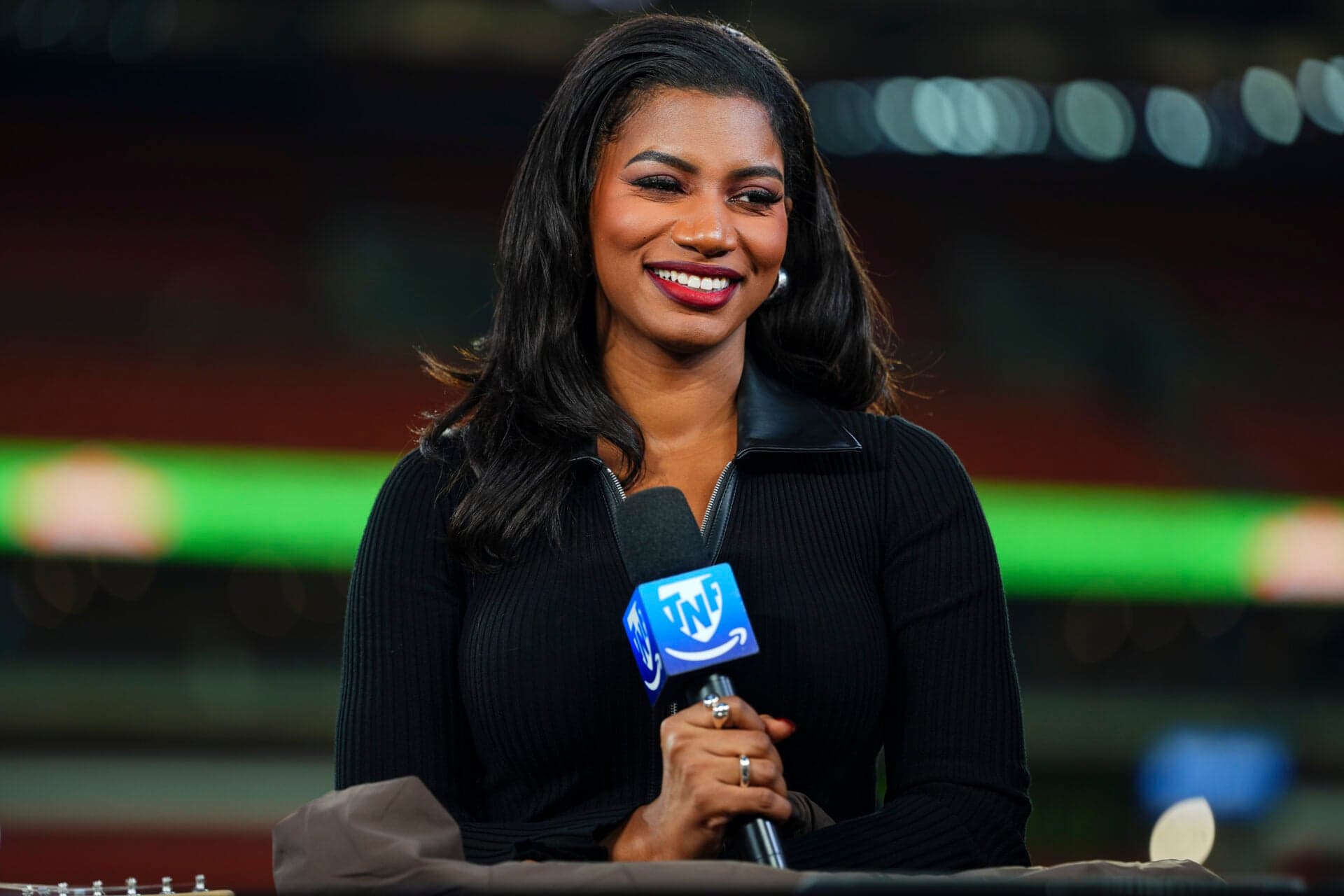
Taylor Rooks isn't backing down. The veteran broadcaster - whose résumé runs through Turner Sports, Bleacher Report, and Amazon's NBA coverage - has spent years earning a reputation as one of the sharpest interviewers in basketball. She's also earned something else: real, human connections with the athletes she covers. In an era when every interaction gets screenshotted and dissected, that approach has turned her into a target.
The criticism isn't new. What's new is Rooks' refusal to let it simmer. Her message lands blunt and hard to argue with: friendly, professional relationships with NBA players aren't a conflict of interest - they're the job. Sit across from Kevin Durant, Jayson Tatum, or Giannis Antetokounmpo without trust, and you get PR-trained non-answers instead of the honest ones fans actually tune in for.
Detractors say closeness breeds favoritism and soft coverage. Rooks' counter is simple. Professionalism isn't measured by distance - it's measured by preparation, honesty, and fairness. Three boxes she checks every time she picks up a microphone. For fans, this moment matters because it exposes a glaring double standard. Male broadcasters have golfed with players, grabbed dinners, built decades-long friendships, and nobody questions their credibility. Rooks gets dragged for the same behavior. She's done apologizing for it.
The Double Standard Women in Sports Media Know Too Well
Credibility Policing Isn't New - But It's Loud
Here's the uncomfortable truth: women covering men's sports have always faced a different rulebook. Be knowledgeable, but not threatening. Be friendly, but not too friendly. Be visible - but don't you dare build the kind of relationships that unlock access.
Rooks became a lightning rod precisely because she refuses to play small. Her interviews crack players open in ways few others manage, and that success invites resentment. Critics frame her connections as a shortcut rather than a skill, conveniently ignoring the years of hustle, research, and relationship-building that got her there. It's the same playbook used against countless women in the industry. Doris Burke was accused of bias for years. Maria Taylor faced whispers. The pattern is predictable: when a woman excels in a male-dominated space, her professionalism gets questioned before her talent does.
📊 Women have long been outnumbered in sports media leadership, and the scrutiny gap reflects it - according to the Associated Press Sports Editors' annual racial and gender report card, women still hold a minority of sports department roles, even as on-air visibility grows.
What Rooks Gets Right About Access
The irony? Rooks' approach reflects modern sports media at its absolute best. Personality-driven platforms - player podcasts, sit-down specials, long-form interviews - have made authentic relationships the premium product. Fans don't want stiff, adversarial exchanges anymore. They want candor, and candor requires trust.
Rooks understands that journalism and rapport aren't enemies. Tough questions come easier when there's mutual respect. The best interviewers in the business built empires on exactly that formula - connection first, hard questions second. That balance keeps her name on NBA red carpets and in Amazon's marquee coverage, and it's why players keep saying yes when she calls.
| Platform | Role | Notable Coverage |
|---|---|---|
| Turner Sports | Host / Correspondent | NBA on TNT interviews and features |
| Bleacher Report | Host / Interviewer | Long-form athlete sit-downs |
| Amazon Prime Video | NBA Coverage | Live game and studio analysis |
What This Means for the Future of Sports Media
Taylor Rooks defends her friendly personal relationships with NBA players despite potential backlash because she understands something the old guard doesn't: the "keep your distance" rulebook is obsolete. Audiences have changed. They follow personalities, not press releases. They trust reporters who players actually trust back.
Rooks isn't just defending herself - she's redefining what a modern sports journalist looks like: connected, credible, and unbothered by outdated expectations. If the industry follows her lead, the double standard that polices women's relationships while celebrating men's golf trips may finally get retired.
For now, the debate says more about the audience than the journalist. Fans who trust Rooks' work will keep watching. Critics who can't separate friendliness from favoritism will keep talking. Either way, she's not changing - and that's the entire point.