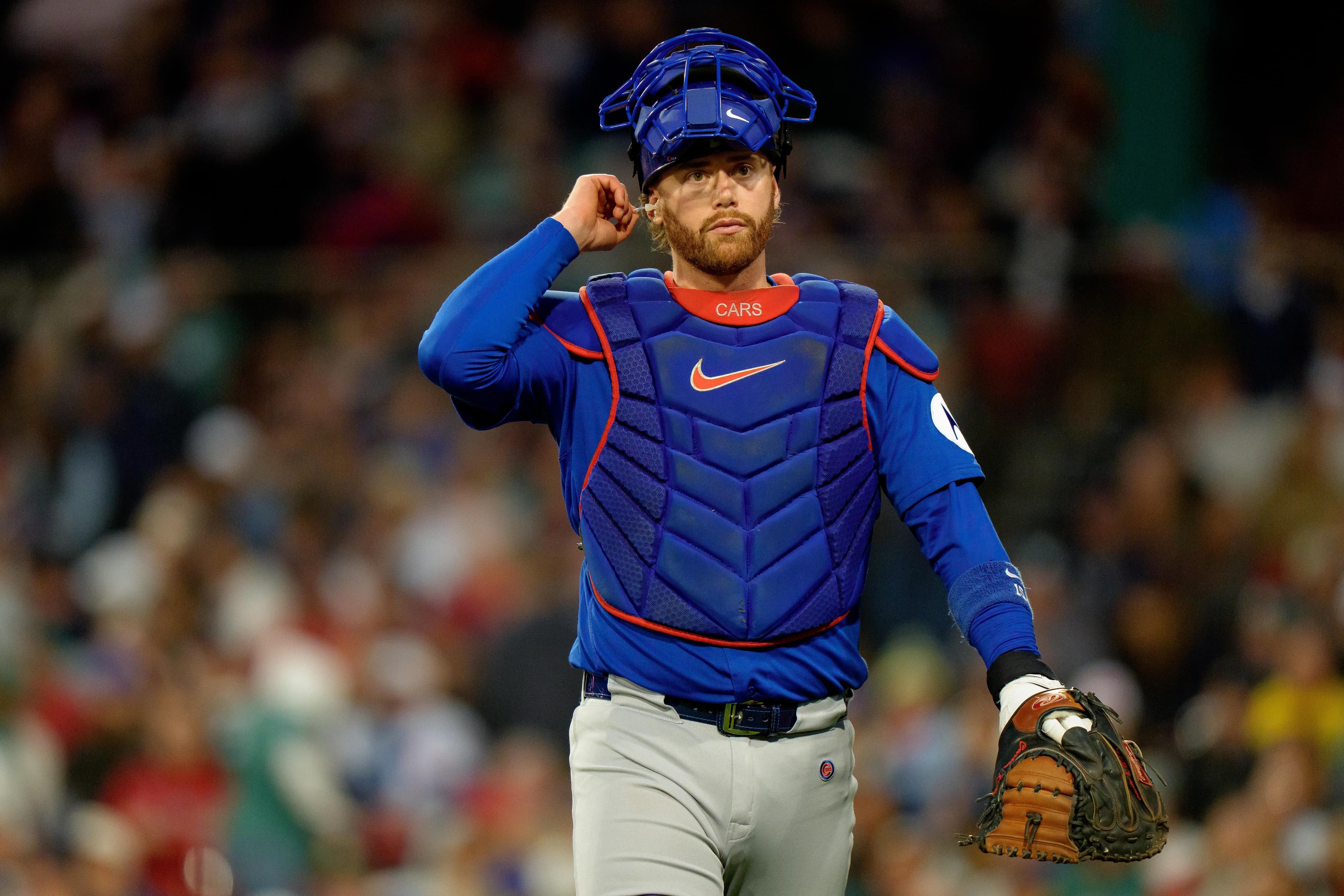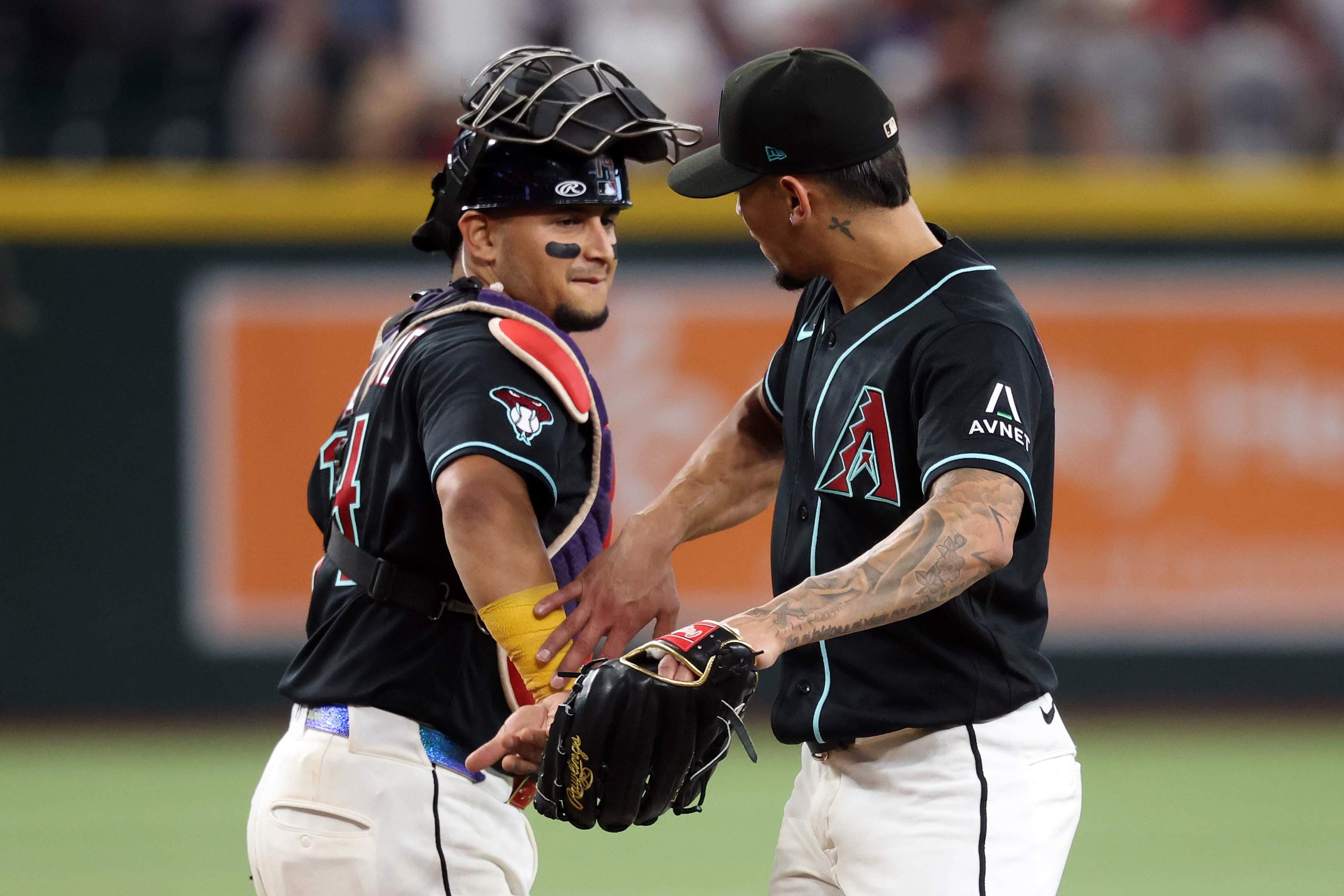
When the Detroit Tigers made their Beau Brieske roster move, the reaction around the Motor City landed somewhere between a shrug and a shout. Fans flooded social media. Analysts fired up their podcasts. Everyone asked the same question: why? Here was a homegrown arm - a guy who could start, relieve, and eat innings in a pinch, the exact kind of Swiss Army knife every contender says it wants. Churning a dependable bullpen piece in a win-now window felt like playing with fire. Months later, though, the Detroit Tigers' Puzzling Beau Brieske Roster Move Suddenly Makes Sense, and it rewrites how we should read this front office's entire roster philosophy.
Let's rewind for a second. Brieske isn't a headline name, but he's precisely the type of depth piece smart clubs hoard. The Tigers drafted and developed him. He's bounced between the rotation and the bullpen, and his versatility makes him valuable in ways the box score never captures. So when the roster churn came, the instinct was to protect him at all costs. That tension - win now versus protect the future - is what made the original decision so maddening.
What the Tigers Saw That We Didn't
The roster math behind the decision
Here's where the fog starts to lift. Roster building in late November is a puzzle of 40-man limits, Rule 5 protection, and option-year chess. Clubs have to open spots for arms they absolutely cannot lose, and every move is a trade-off. In that math, Brieske was the movable piece - not because Detroit didn't value him, but because his flexibility created options elsewhere. Service-time and contract mechanics made him the lever that unlocked the whole board rather than the casualty of it.
| Factor | Why It Mattered | Effect on the Decision |
|---|---|---|
| Rule 5 protection | Unprotected prospects can be poached in December | Forced the Tigers to open spots |
| Option years | Flexibility determines who can shuttle | Made versatile arms the movable pieces |
| Service time | Controls cost and club control | Shaped who was truly expendable |
| Pitching depth | Organization's deepest asset | Allowed a calculated risk |
> 📊 40-man roster spots are a hard cap - every protection decision forces a corresponding subtraction, which is why seemingly baffling moves happen.
The development angle nobody talked about
Here's the part that got lost in the noise: this was never purely a subtraction - it was a redirection. The Tigers had a plan for Brieske's workload and role clarity that the transaction wire couldn't communicate. Usage patterns before and after the move hint at an organization trying to unlock something, managing innings, and betting his best frames were still ahead. Internal evaluations, by all indications, saw upside rather than decline. Role clarity, in this reading, is a feature - not a punishment.
Why It Looks Smart Now
Fast forward, and the results have quieted the skeptics. The reshuffled bullpen has held up. Roles have crystallized. Brieske's fit in the current picture looks less like an afterthought and more like a plan coming together. The ripple effects matter just as much: prospects kept in the system, flexibility gained for deadline maneuvers, and options preserved that a more rigid roster would have burned.
> 📊 Roster flexibility is a tradeable asset - the spots opened by the move preserved deadline options that contenders typically pay premiums to acquire.
The bigger takeaway is the one Tigers fans should sit with: this front office is playing a longer game than the transaction wire suggests. Moves that look puzzling in November often look prescient by summer. Getting comfortable with that rhythm is part of following a team built on drafting, developing, and managing the margins. For deeper context, check the MLB.com Tigers transactions log and Baseball-Reference's roster and stats pages.
What to watch next? Keep an eye on how the bullpen roles settle and which protected prospects force their way up. If the pattern holds, the next head-scratcher will make sense too - eventually.