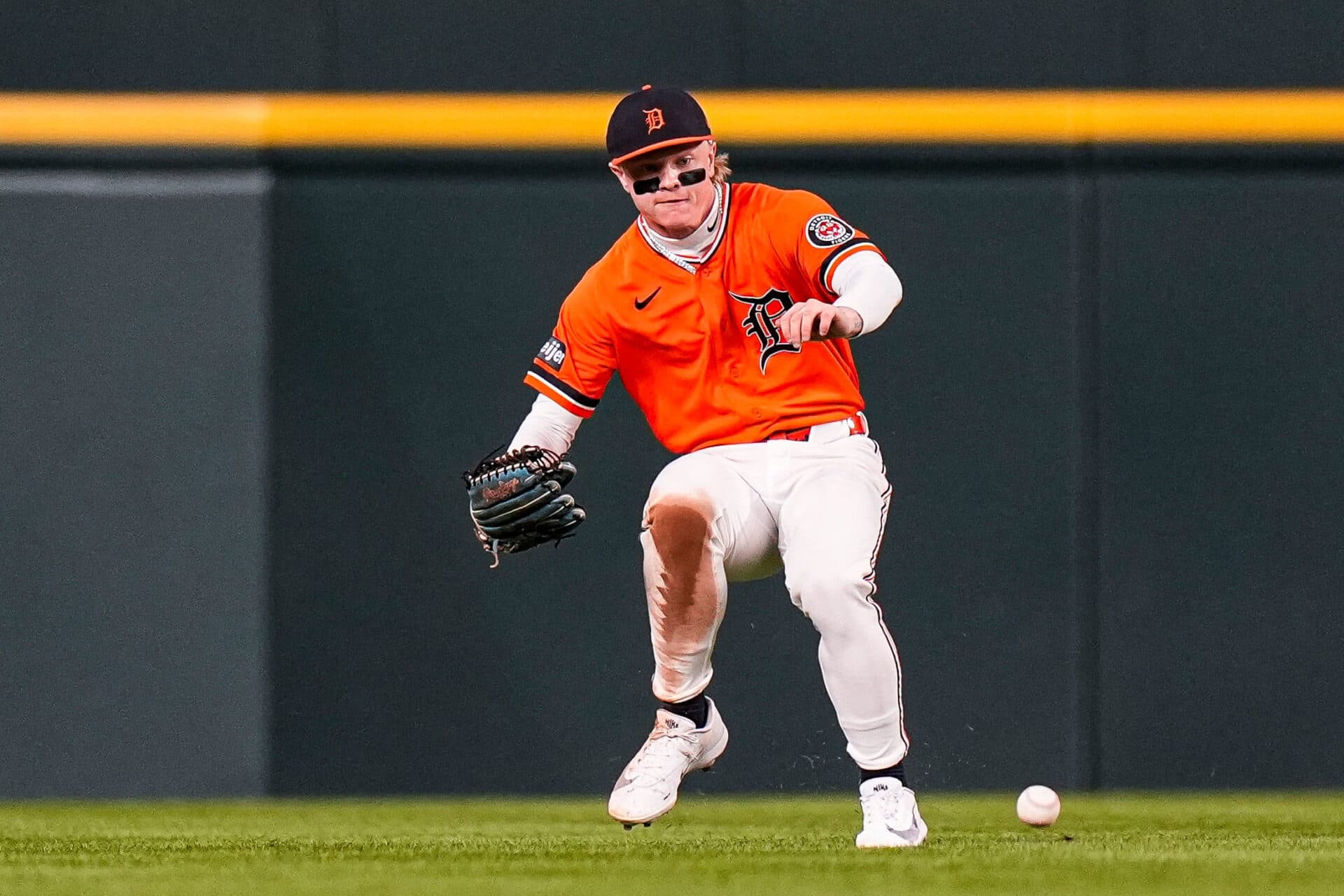
The Detroit Tigers have officially entered unfamiliar territory - they're too good. Not in the "we might sneak into a Wild Card" sense, but in the "our roster is bursting at the seams and someone has to go" sense. It's a champagne problem, and it's precisely the kind of dilemma President of Baseball Operations Scott Harris hasn't had to wrestle with since taking over in September 2022. For years, the question was who could help. Now the question is who gets squeezed out.
Harris built his reputation in San Francisco as a roster-architecture savant - a guy who sees three moves ahead. In Detroit, he's assembled a farm system and big-league club that has finally produced genuine positional logjams. When you have more starting-caliber players than lineup spots, the math stops working. And when the math stops working, trade calls start happening.
This is the "good problem." But good problems in baseball have a way of becoming stunning headlines when the calendar flips to the offseason.
The Infield Crunch Is Real
Detroit's infield depth has quietly become a bottleneck. Between emerging young bats and established contributors, the Tigers are staring at more capable gloves and bats than innings to distribute. That's not a roster - that's a traffic jam. When a team has three players for two spots, someone's agent starts making phone calls by November.
The ripple effect matters here: blocked prospects lose development reps, veterans lose leverage, and Harris loses the flexibility he prizes most. Surplus is only an asset if you can convert it - otherwise it's just payroll with a pulse.
Consider what the Tigers have built since Harris took over. The farm system that once ranked near the bottom of MLB pipelines is now producing MLB-ready talent at an impressive clip. According to MLB Pipeline's organizational rankings, Detroit has climbed steadily into the upper tier of baseball's best farm systems. That's not luck - that's architecture.
📊 The Tigers have surged into MLB Pipeline's top-10 organizational rankings - a remarkable climb from the system Harris inherited in 2022.
But here's the rub: prospects who rake in Triple-A don't want to wait forever. When a young hitter posts a .900 OPS at Toledo and sees two veterans blocking his path, patience evaporates. Harris knows this. Every rival GM knows this. That's leverage - just not the kind you can sit on indefinitely.
Pitching Depth That Other Clubs Covet
Pitching is baseball's hardest currency to manufacture, and Detroit has been manufacturing it. A rotation that once felt thin now has arms pushing from below, creating the classic squeeze: proven starters versus high-upside youth. Every fifth day, someone's auditioning for a job that may not exist.
For rival front offices, that's a flashing neon sign. Contending teams desperate for rotation help - and there are always several - will view Detroit's depth as the path of least resistance. The question isn't whether Harris gets calls. It's whether one of them is too good to hang up on.
Look at the broader landscape. According to FanGraphs' trade value analysis, controllable starting pitching remains the single most valuable commodity in baseball trades. Detroit sits on a surplus of exactly that. When you hold the market's hottest currency, you don't just get calls - you get auctioned.
Table: Detroit's Surplus Positions Entering the 2026-27 Offseason
| Position Group | Depth Situation | Trade Likelihood |
|---|---|---|
| Infield | 3+ MLB-ready players for 2 spots | High |
| Starting Pitching | Proven arms plus Triple-A push | Moderate-High |
| Outfield | Young talent emerging behind veterans | Moderate |
📊 Controllable starting pitching remains baseball's No. 1 trade asset - and Detroit has more of it than lineup spots require.