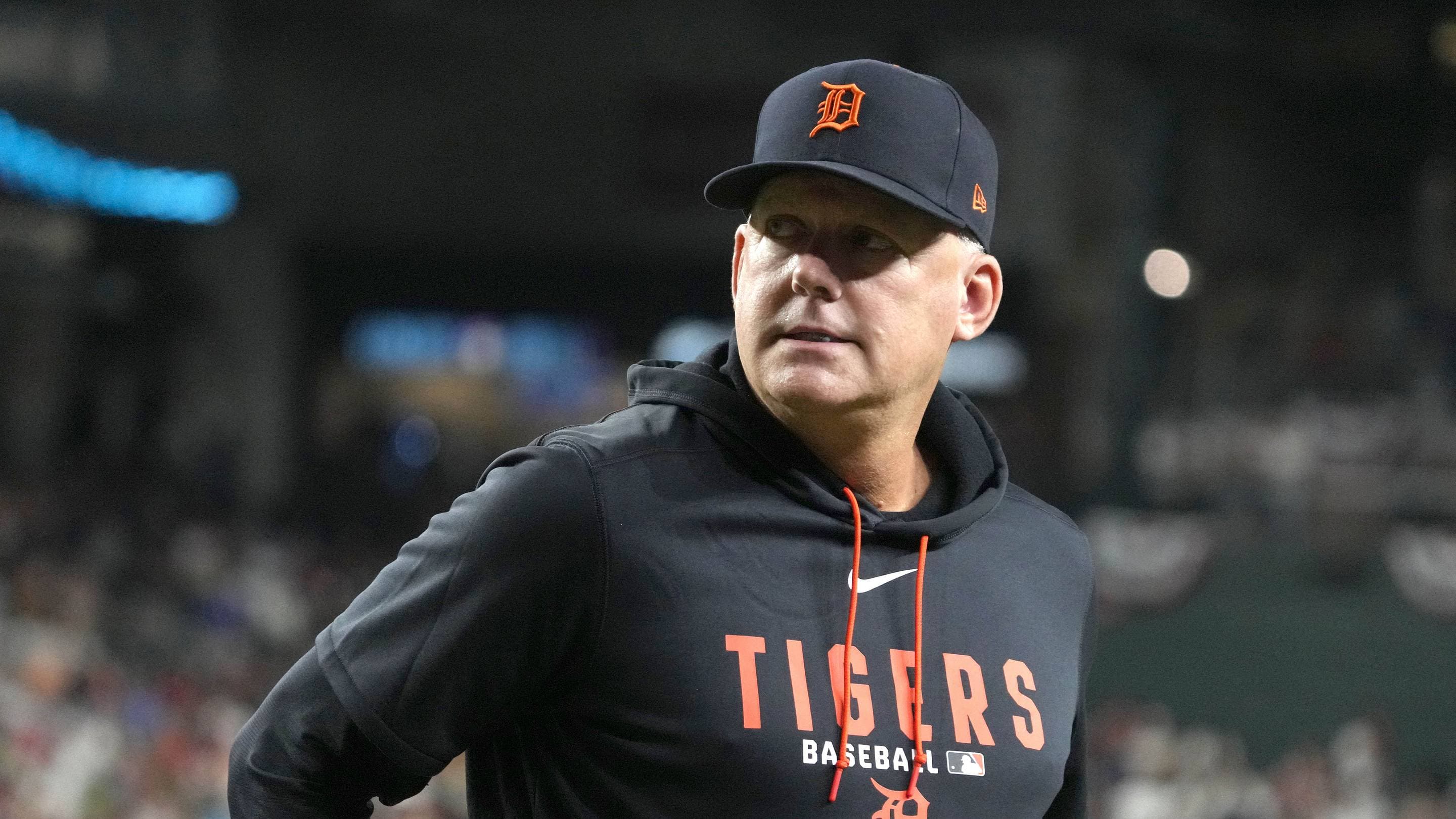
The desert air at Chase Field can swallow a lead faster than a sinker loses its zip. On August 3, 2026, Detroit Tigers manager AJ Hinch found himself in exactly that kind of pressure cooker - a one-run game, the Arizona Diamondbacks threatening in the eighth, and every move under a microscope. This wasn't just another mid-summer contest. It was a snapshot of Hinch's manic, analytical style, and a test of whether his aggressive bullpen management could outlast Arizona's relentless lineup. For fans who've watched this Tigers core grow from rebuild to contender, nights like this are why you never leave Chase Field early - because the Detroit Tigers' 2026 season has been defined by these razor-thin margins.
The Setup: A One-Run Nail-Biter in the Desert
Coming into the frame, the Tigers were clinging to a 4-3 lead. The Diamondbacks had already chased Detroit's starter after six gritty innings, and Chase Field's humid, hitter-friendly air was amplifying every crack of the bat. Hinch had already dipped into his bullpen twice - a lefty specialist to escape a fifth-inning jam, then a high-leverage arm to navigate a shaky seventh. Now, with Arizona's 3-4-5 hitters due up and the heart of their order smelling blood, Hinch faced his most critical juncture.
The tension wasn't just about the score. Detroit's bullpen had been a rollercoaster all season, and Hinch's willingness to pull starters early had been both praised and second-guessed. On this night, the eighth inning would become a referendum on that philosophy. The crowd, a sea of Sedona red, was roaring for a comeback. Hinch, stone-faced in the dugout, was already calculating three moves ahead.
According to FanGraphs' live win probability models, Detroit's chances sat at 64% when the inning began - but anyone who's watched this Tigers squad knows that number means nothing until Hinch's chess pieces stop moving.
📊 64% win probability entering the eighth - The Tigers' edge was fragile, and Hinch knew a single mistake could flip the entire game on its head.
The Pivot: Trusting the Matchup Over the "Save" Mentality
With one out and a runner on first, Hinch made his first bold call. He pulled his set-up man, who had just thrown 14 pitches, in favor of a fresh-armed right-hander with a devastating splitter. The move was vintage Hinch - ignore conventional roles, prioritize the specific hitter's weakness, and never let a matchup play out if the numbers scream otherwise.
But the real fireworks came after a sharply-hit single put runners on the corners. Arizona's cleanup hitter, a left-handed masher with 30 homers, stepped to the plate. Most managers would stick with the righty, trusting the platoon advantage. Hinch, however, saw the hitter's recent swing decisions - too many chases on sliders down and away - and made a contrarian choice. He went to his left-handed specialist, a move that drew audible gasps from the broadcast booth. The logic? Reversed splits. The Diamondback slugger had actually been worse against lefties over the last 30 days, a tiny sample size Hinch was willing to bet the game on.
| Pitcher | Pitch Count | Leverage Index | Result | Season ERA |
|---|---|---|---|---|
| Set-up man (RHP) | 14 | 1.8 | Pulled after single | 3.42 |
| Right-hander (splitter) | 9 | 2.1 | Induced grounder, then lifted | 2.98 |
| Left-handed specialist | 2 | 2.7 | Double play to end threat | 3.15 |
The result was immediate. Two pitches later, the batter waved at a back-foot breaking ball, grounding into a 4-6-3 double play to end the threat. Hinch pumped his fist, then retreated to the dugout, expressionless again. It was a masterclass in data-driven instinct, but it also underscored a larger truth: in the modern game, the eighth inning is no longer a bridge - it's the whole battlefield.