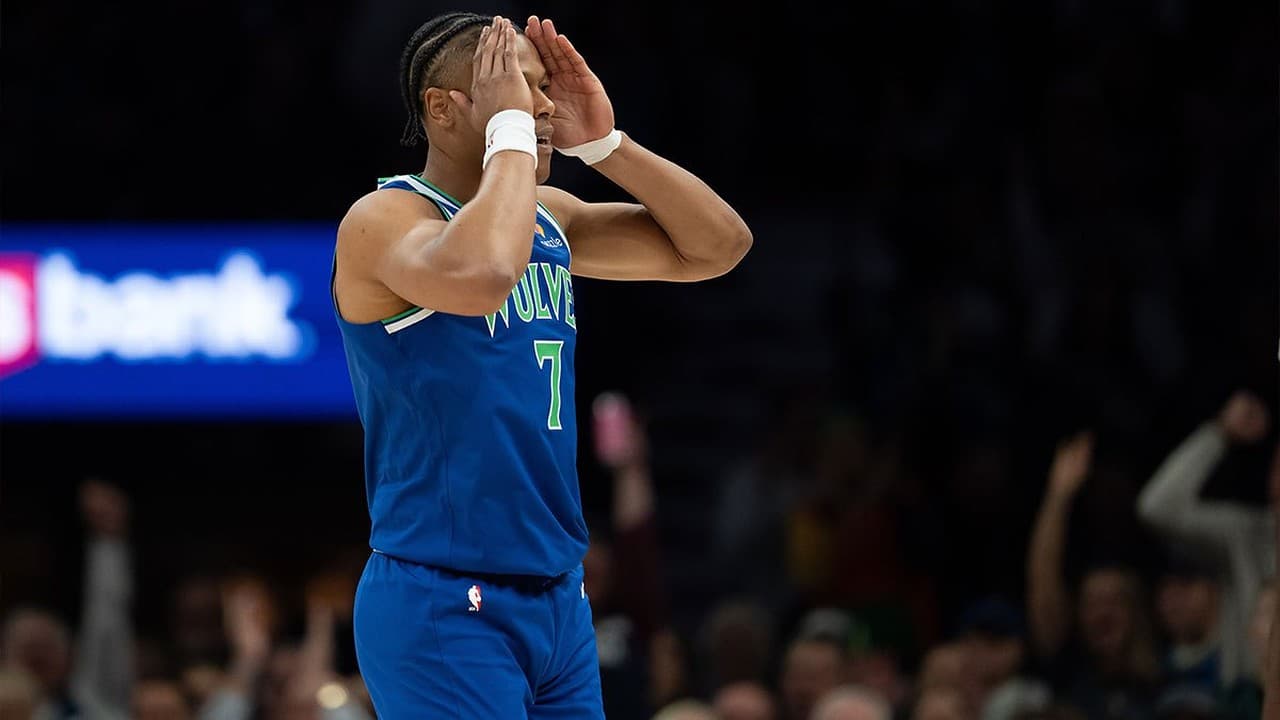
The basketball world keeps its eyes glued to the stars. Meanwhile, Minnesota's most telling injury update came from somewhere else entirely - and it could shift the Wolves' ceiling in the brutal Western Conference race.
The Update Everyone Missed While Chasing Ant and LaMelo
Let's be honest about where the basketball conversation lives right now. Every Timberwolves fan with a phone has one tab open on Anthony Edwards' status and another refreshing for any whisper of LaMelo Ball trade chatter. That's the noise. That's the national spotlight.
But noise drowns out the signal. And the signal coming out of Minnesota this week is that the Timberwolves gave a notable injury return update - one that has nothing to do with Anthony Edwards or LaMelo Ball. It's about a rotation piece whose absence has been quietly bleeding the Wolves' depth, and whose return finally fixes the puzzle head coach Chris Finch has been wrestling with all season.
This isn't a bench-filler comeback story. We're talking about a player who logged real minutes in Minnesota's core rotation - someone who spaces the floor, defends multiple positions, and lets Finch breathe when the starters rest. His absence forced the Wolves into uncomfortable lineups and stretched the healthy bodies thinner than any contender wants in a 50-win-or-bust season. Comfortable wins turned into grinders.
While everyone was refreshing Ant's status, Minnesota quietly got the news that actually repairs the machine. The Western Conference doesn't hand out sympathy for depth problems - and the Wolves just got healthier where it counts.
Why This Return Matters More Than the Headline Names
Let's separate the stories cleanly, because the Timberwolves' injury report has layers.
Anthony Edwards remains the franchise's heartbeat - that hasn't changed and never will. But his situation is being monitored and managed, not resolved by a single injury report line. Ant's health is a season-long storyline, not a Tuesday-night update. It's the long game, and everyone in the building knows it.
LaMelo Ball is a national-headline magnet for entirely different reasons - trade chatter and star drama that has nothing to do with Minnesota's internal roster math. Fun to scroll. Irrelevant to the Wolves' depth chart.
The contrast is the whole point: the Timberwolves' real update is about internal depth, not star drama. And in a West where seeds 3 through 10 are separated by a handful of games, depth decides who gets home-court advantage and who gets a play-in sweat.
> 📊 The West's margins are razor-thin every season - the Wolves' depth decisions in the next few weeks will be worth as much as any star headline come April.
What the Returned Player Brings to Minnesota's Rotation
Now to the good stuff: the fit.
First, expect a bench-first, minutes-managed ramp-up rather than an instant 30-minute workload - that's standard protocol, and Finch has said as much in past returns. But even at 18 - 22 minutes, this player changes the geometry of the Wolves' rotation. He slots into the second unit as a connective piece: enough shooting to keep defenses honest, enough defensive versatility to switch across wings, and enough rebounding to survive smaller lineups.
Scheme impact: Finch's system runs on defensive switching and pace in transition. This return restores a tool that's been missing - perimeter defense that doesn't collapse when the starters sit. That's the specific lever Minnesota has needed to protect leads in the third quarter instead of surrendering them.
Ripple effect: The biggest winner might be the starters. Edwards' minutes load eases, the second-unit cohesion sharpens, and the young bench pieces slide back into their natural roles instead of being force-fed minutes they weren't ready for. That's how rotations heal - not one player back, but everyone returning to their proper weight class.
Momentum angle: The Wolves are in the thick of the West's logjam, and the next 10 games are a seeding gauntlet. Getting healthy now - before the schedule hardens - is worth more than getting healthy in January.
Caution flag: Returns aren't instant fixes. Expect a short adjustment window, some clunky minutes, and load-management nights. Fans should measure this in weeks, not quarters.
> 📊 One rotation player returning can swing a bench unit's stability more than any single star's stat line - depth wins the games stars don't.