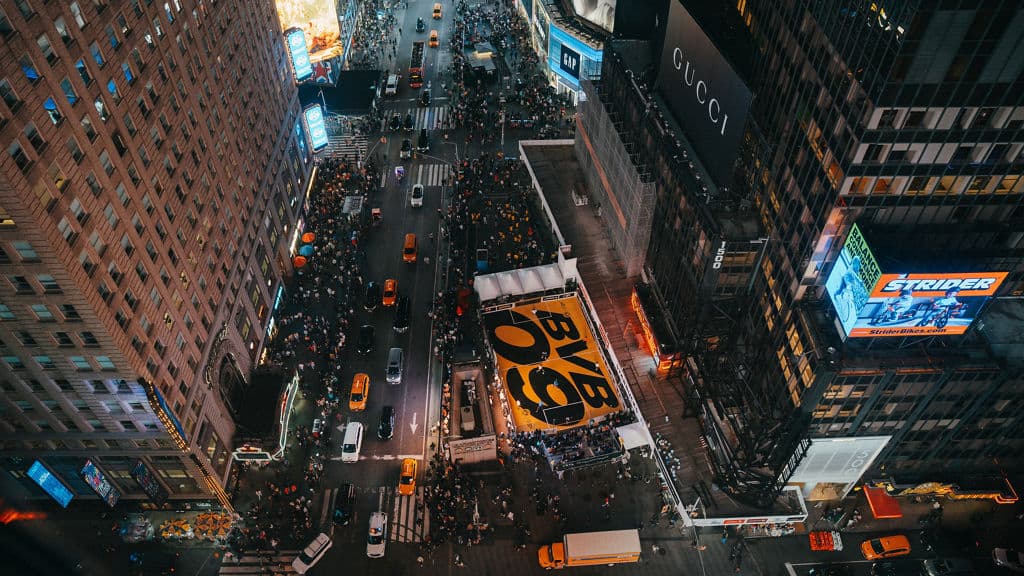
Times Square has always been where America stages its biggest moments - and on October 11, 2026, soccer proved it belongs in that company. For one electric stretch, the Crossroads of the World traded its usual tourism chaos for a full-scale soccer festival: giant screens, pop-up pitches, jersey-clad crowds, and a wall of sound that turned Midtown into a stadium without walls.
This wasn't a gimmick. It was a statement. Times Square is the loudest address in the United States, and soccer rented it for a day to announce that it isn't a niche import anymore - it's a headline act. A soccer takeover in Times Square doesn't happen by accident; it happens when a sport's cultural weight finally matches its commercial muscle.
The timing tells you everything. North America just wrapped its turn as host of the 2026 FIFA World Cup, a tournament that pulled record audiences and pushed soccer into the mainstream conversation in ways decades of league-building never quite managed. Now the sport's power brokers are spending the afterglow wisely - buying the most famous intersection on Earth to keep the momentum boiling.
What Happened: The Scene in Midtown
Screens, Streets, and a Sea of Supporters
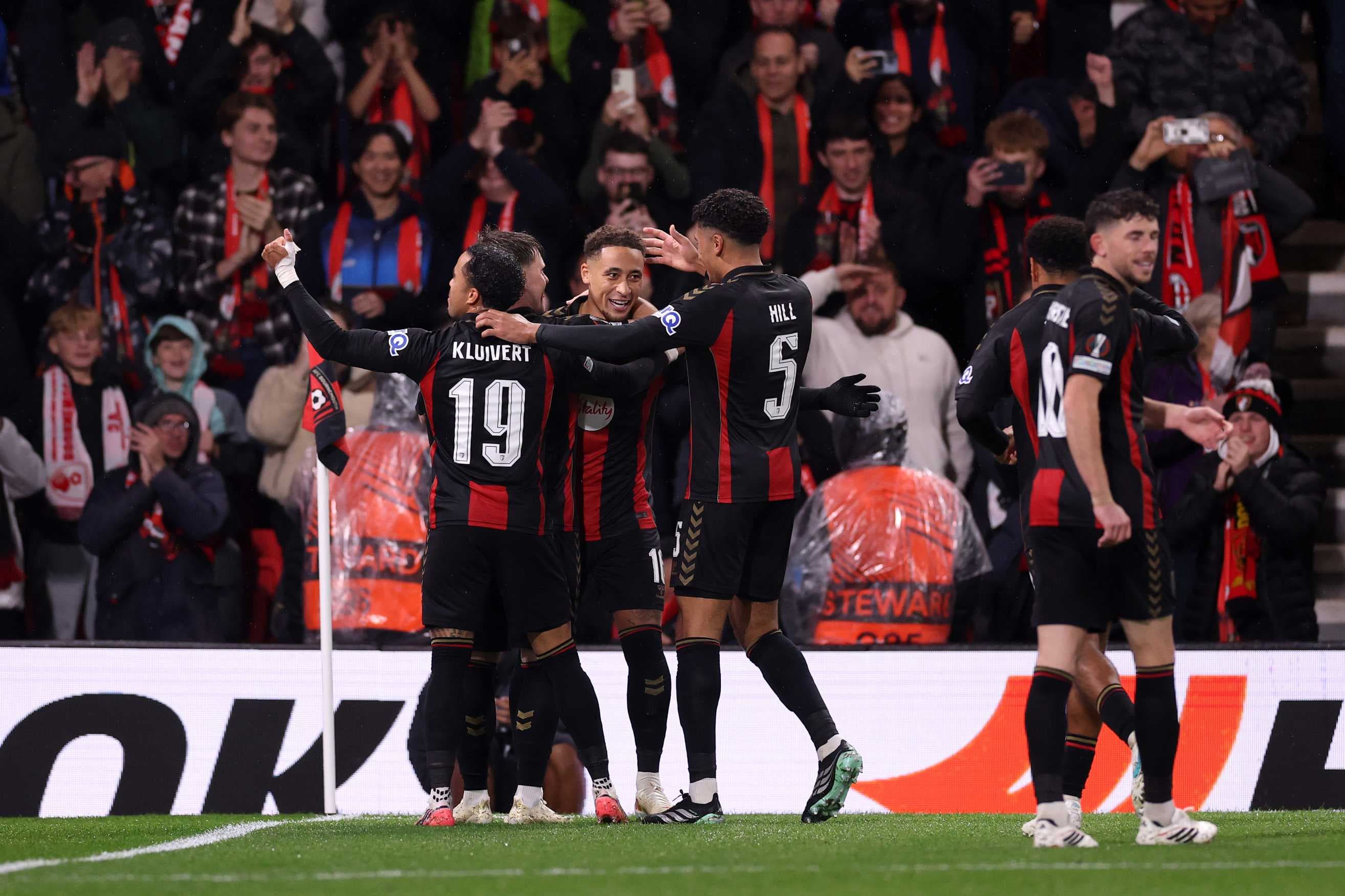
Fans began gathering early, funneling out of the 42nd Street and Times Square subway stations in club colors from every corner of the globe - Premier League, LaLiga, Liga MX, MLS, and national team kits all sharing the same pavement. The green-and-white of Mexico standing next to the red of Manchester United next to the black-and-pink of Inter Miami is the whole story in a single image.
Organizers lined the district with oversized LED screens, and the Square's existing billboards - already the most valuable advertising real estate on the planet - doubled as a backdrop for match feeds and highlight reels. When a goal went in, the roar bounced off the towers and came right back down. Pop-up mini-pitches gave passersby a five-minute taste of the game, converting tourists into participants one nutmeg at a time.
Who Showed Up and Why It Mattered
The crowd was the point. Soccer in America has spent decades fighting for cultural space, and this takeover offered visual proof of something statistical: the fanbase is young, urban, multilingual, and mobile. Times Square's demo - millions of daily passersby from every continent - is the exact audience the sport wants to reach as it converts World Cup curiosity into everyday fandom.
The business story matters too. Broadcast partners, kit makers, and league sponsors don't buy Times Square space for nostalgia. They buy it because the sport's growth metrics justify the spend, and a takeover like this turns abstract audience data into a picture you can stand in the middle of.
📊 Times Square draws an estimated 300,000+ visitors daily - a foot-traffic engine no stadium or streaming platform can replicate, which is exactly why soccer's biggest brands wanted in.
Why It Hit Different - and What Comes Next
The Build Toward 2026 and Beyond
This wasn't a random activation. With the World Cup having put North America in the global spotlight, 2026 has been the sport's victory lap - and Times Square is the trophy shelf. Leagues are racing to convert casual viewers into lifelong fans, and there's no better billboard than a packed Midtown plaza chanting in five languages.
Expect more of this. As stadiums, media rights, and youth participation all climb, the sport's biggest brands will keep buying America's most famous intersection to make their case. The takeover isn't a one-off - it's a rehearsal for a decade of them. For deeper context on how the sport's U.S. footprint has expanded, outlets like ESPN and the Times Square Alliance track the venue and league trends behind activations like this one.
| Factor | Why It Matters to the Sport |
|---|---|
| Global foot traffic | Reaches fans from every league's home market in one place |
| Youth-skewing visitors | Matches soccer's youngest fanbase in U.S. sports |
| Multilingual crowd | Mirrors the sport's diverse American audience |
| Iconic media visibility | Turns one event into worldwide highlight-reel coverage |