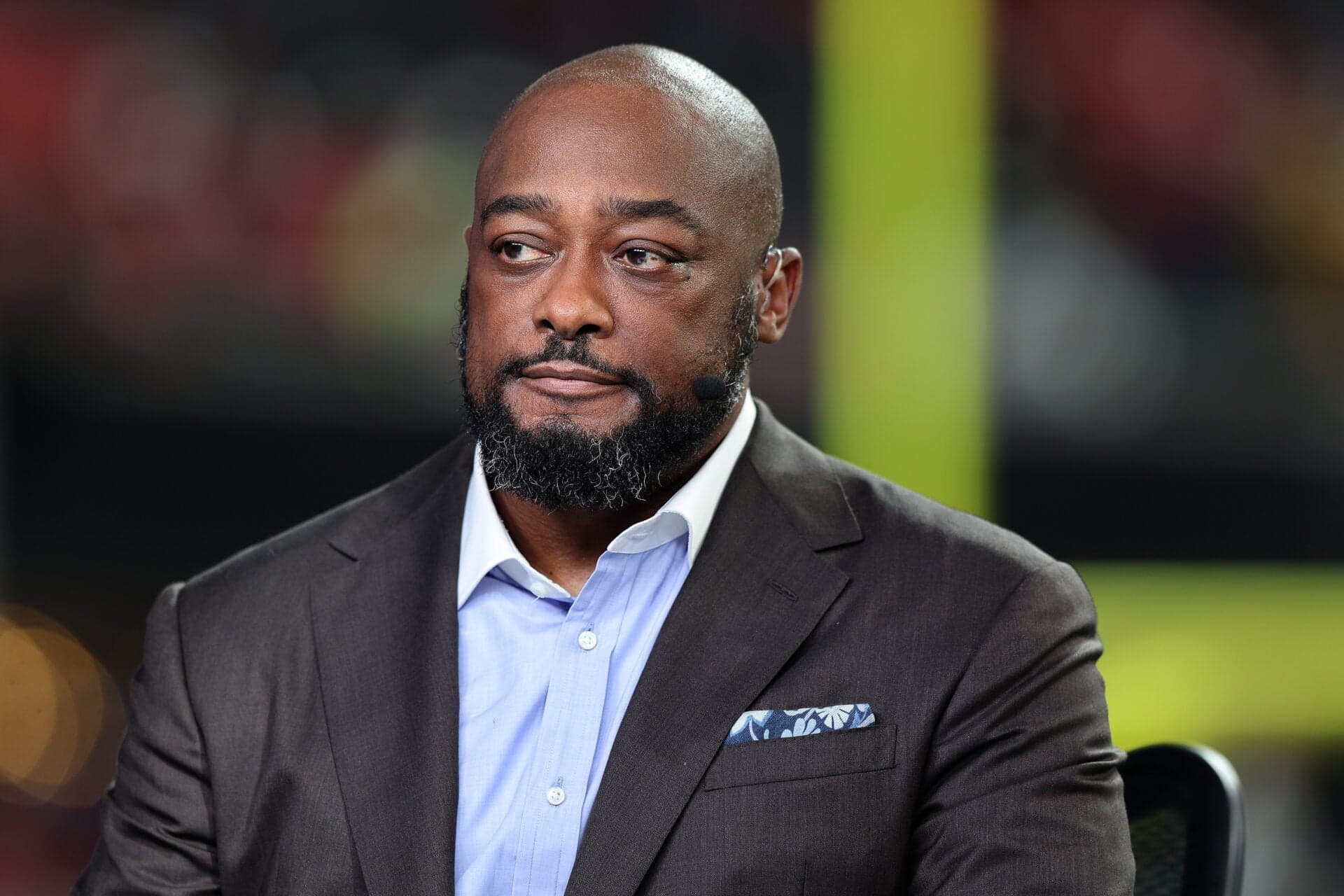
Mike Tomlin doesn't do comfort. He does truth - delivered flat, fast, and with the finality of a steel door slamming shut. On a recent episode of Travis Kelce's "New Heights" podcast, the Steelers' head coach dropped a two-word verdict on the NFL's most sacred midseason ritual. It instantly became the clip of the week.
The setup was classic Kelce. The Chiefs' tight end was recounting a rough stretch in Kansas City's season - consecutive losses, a locker room searching for answers, and the decision to hold a players-only meeting. In Kelce's telling, it was a turning point. Veterans spoke up. Voices got raised. Accountability got real. The Chiefs walked out the other side.
Then Tomlin stepped in and flattened the whole premise. Players-only meetings, he told Kelce, don't fix a thing on their own. They don't install a new protection scheme. They don't close a talent gap. They don't scheme a receiver open in the red zone. At absolute best, they create a moment where leaders demand accountability from their peers - and if that demand isn't enforced every single day after, the whole exercise is worthless. Miss that part, Tomlin's message was clear: you're dead.
That's the exchange that lit up the football world - and it's why Mike Tomlin telling Travis Kelce the truth about NFL teams' players-only meetings hit harder than any coach-speak ever could.
Why Tomlin's Verdict Carries Weight
Nobody gets to say "you're dead" with more authority than Tomlin. Since taking over in Pittsburgh in 2007, he's built a résumé that stands alone among his peers: no losing seasons across nearly two decades, a Super Bowl ring, and a locker room culture that has always run through player leadership - Hines Ward and Troy Polamalu early on, Cam Heyward and T.J. Watt in the current era. Tomlin has never had to manufacture leaders. He drafts them, develops them, and then gets out of their way.
So when he critiques players-only meetings, he isn't dismissing them. He's protecting what makes them work. Tomlin has presided over a thousand of these gatherings behind closed doors in Pittsburgh, and his point is precise: a meeting is a mirror, not a mechanic. It reflects who you already are. If your leaders are real, the room changes something. If they're not, you've just cleared a calendar slot.
Table: Mike Tomlin's Head Coaching Résumé
| Category | Figure |
|---|---|
| Seasons as Steelers head coach | 20 (2007 - present) |
| Super Bowl titles in Pittsburgh | 1 (Super Bowl XLIII) |
| Super Bowl appearances | 2 (XLIII, XLV) |
| Losing seasons | 0 |
| Career regular-season wins | 180+ |
📊 Zero losing seasons in 20 years as Steelers head coach - the longest active streak of .500-or-better football by a head coach in the modern NFL era.
And here's the 2026 wrinkle that makes the quote sting even more: the Steelers are grinding through their own midseason identity crisis right now. Tomlin isn't speaking hypothetically. He's speaking from inside the fire. When a man with zero losing seasons tells you what actually saves a season, you listen.
Players-Only Meetings: Franchise Turning Point or Comfort Blanket?
Every NFL season has its ritual. The season teeters, the captains call a closed-door meeting, and by Tuesday everyone's saying the right things to the cameras - "we talked as men," "we got some things off our chests," "it's on us now." It's the most recycled story in football, and Tomlin just told you why most of it is noise.
The outcomes split cleanly two ways. Either the meeting becomes a genuine reset - the moment veterans stop asking the staff to fix things and start policing their own rows - or it's a comfort blanket that leaves every actual problem untouched. Football games are lost on protection slides, coverage busts, missed assignments, and talent mismatches. None of that lives in a meeting room. It lives on film and on the field.