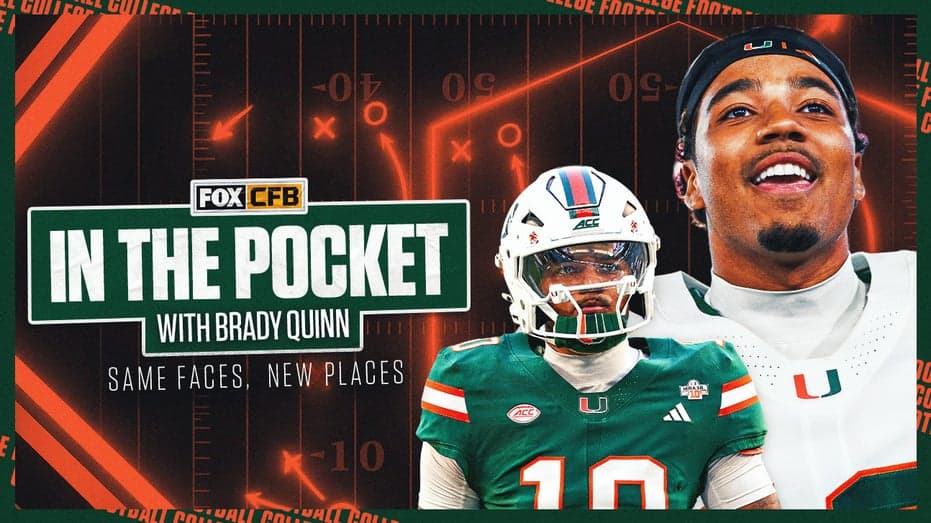
The 2026 college football season is barely a month old, and the storylines already have a familiar ring. Another wave of transfer quarterbacks has reshaped the national landscape. Preseason afterthoughts have become contenders. Depth charts from the SEC to the Group of Five have been turned upside down. If you've spent September wondering why every breakout star seems to be wearing a jersey that looks brand new, you're not imagining things. This is the era of Same Faces, New Places: How College Football's Transfer QBs Are Making An Impact - and the impact has never been louder.
The Portal Pipeline: Why Elite QBs Keep Changing Addresses
The quarterback carousel never stops spinning, and that's by design. Between the winter transfer portal window and the spring window that follows, programs across the country now treat landing a proven signal-caller as their top offseason priority - often ahead of high school recruiting. For quarterbacks buried on a depth chart behind an entrenched starter, or stuck in an offense that doesn't fit their skill set, the portal offers something invaluable: a fresh start with immediate eligibility and a chance to prove it on Saturdays.
The math is simple. A five-star high school quarterback might wait two or three years for his turn. A transfer quarterback with 20 starts on tape can walk into a new locker room in January and own the huddle by fall camp. That calculus has reshaped roster building nationwide. It's why the phrase "transfer quarterback" no longer carries a stigma - it signals opportunity.
The mechanics are well documented. The winter portal window opens in early December and runs into January, while the spring window arrives in April. Two chances a year, every year, for the sport's most important position to change hands. Fans following the latest movement can track every entry and commitment through the NCAA's official transfer portal resources.
The NIL Factor Nobody Can Ignore
Name, image, and likeness deals have turned the portal into a bidding war as much as a football decision. Collectives at power programs can package a starting job with a seven-figure NIL package, and quarterbacks - the most visible position on the field - command the biggest numbers. Whether that's healthy for the sport is a debate for another column. What matters here: money moves quarterback decisions, and it moves them fast.
📊 With the House v. NCAA settlement clearing the way for schools to share revenue directly with athletes starting in July 2025, quarterback movement entered a new financial era - the biggest stars at the position now command seven-figure packages, and the portal bidding wars that reset rosters every offseason show no sign of slowing.
From Backup to Bellwether: The On-Field Impact
The most compelling part of the transfer-quarterback era is how quickly it pays off. A quarterback who spent three years learning a pro-style system can step into a spread offense and look comfortable by Week 2, because he's already seen elite secondaries and exotic blitz packages up close. Experience travels. Talent that was once hidden on a depth chart suddenly becomes a program's centerpiece.
Look around the 2026 season and the evidence is everywhere. Ohio State handed the keys to Julian Sayin, the former five-star who transferred in from Alabama and has the Buckeyes rolling as one of the nation's top teams. Texas turned to Arch Manning, who won the starting job in Austin after waiting his turn behind Quinn Ewers. Programs that once prayed for a developmental leap now simply shop for one.
Reading the Results
The pattern repeats every season: a quarterback leaves a blue-blood logjam, lands at a program with a clearer path to snaps, and turns a middling offense into a bowl contender. Coaches get a proven leader without waiting on development. Players get the stage they were recruited for in the first place. For fans, it means the season's breakout star often isn't a freshman sensation - it's a familiar name wearing a new jersey.
Coverage of the movement itself has gone mainstream. ESPN's transfer portal hub now tracks commitments year-round the way it once tracked signing day, and the traffic proves fans can't get enough of the churn.