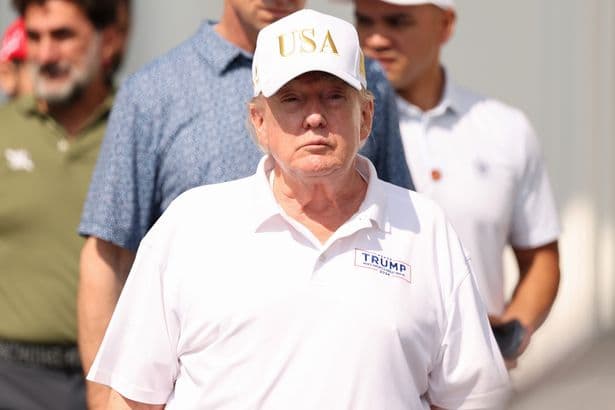
Donald Trump's golf handicap has been a talking point for years. The number that keeps resurfacing is 2.8 - a self-reported index often cited as proof of a genuinely strong game. On paper, a handicap hovering around 2.5 - 3.0 puts a player in elite amateur territory: low single digits, capable of shooting in the mid-70s on a good day. That's the image the number is meant to project. The problem? Handicap indexes shift every time scores are posted. A figure is only as credible as the rounds behind it. Any specific value is a snapshot, not a permanent badge - and critics argue Trump's posted scores have never matched the eye test.
📊 2.8 handicap index - the self-reported figure that anchors years of debate, placing the player in elite amateur territory on paper.
The Gap Between the Card and the Camera
This is where the skepticism lives. Independent analysts and golf observers have long questioned whether the recorded scores line up with the play people actually witness. A 2.8 suggests consistent ball-striking, sound course management, and the kind of grinding that shows up over 18 holes. Footage and eyewitness accounts have often told a different story. That gap - between what a handicap card says and what a swing looks like - is the entire foundation of the debate.
| Metric | Typical Range at 2.8 Index |
|---|---|
| Scoring average | Mid-70s on a good day |
| Category | Low single digits / elite amateur |
| Consistency | Strong ball-striking, sound course management |
| Round type | Grinding scores across full 18 holes |
The number isn't static, either. Handicap systems like GHIN recalculate every time a score is posted, meaning any cited index is only valid as of its posting date. That's the nuance both defenders and critics tend to skip - a handicap is a living calculation, not a trophy.
"Cheating" Accusations: What's Alleged vs. What's Proven
Let's be precise, because precision matters here. The allegations about Trump's golf conduct have circulated for years, largely surfacing in books and media reports: claims of ball-moving, generous "gimmes," and score inflation. These are accusations - often from unnamed or anecdotal sources - not established findings. No ruling body has sanctioned him over them. That distinction should anchor any honest discussion, even as the stories keep resurfacing in fresh news cycles.
📊 Zero official sanctions - despite years of allegations, no governing golf body has ruled against him, keeping the claims firmly in accusation territory.
For golf fans, the accusations tap into something deeper: the sport's entire culture runs on self-policing and honesty. Players call penalties on themselves. Handicaps rely on trust. When that trust is questioned at a high-profile level, it rattles more than one player's reputation - it pokes at the sport's soul.
Irish Open 2026: Why the Story Keeps Getting Attached
Here's the honest status as of today: there is no verified Irish Open 2026 controversy tied to Trump that can be responsibly described right now. The DP World Tour's Irish Open is a marquee event with its own storylines, and the tournament has its share of rules debates every year - as does any elite event. The temptation to bolt Trump's name onto a golf controversy is strong, but without confirmed reports, any "controversy" framing is speculation.
That's exactly why Donald Trump's golf handicap, 'cheating' accusations and Irish Open 2026 controversy keep getting bundled together online - the search terms travel faster than the facts. For now, the verifiable thread is the long-running handicap and cheating discourse, not a confirmed 2026 incident.
| Topic | Status |
|---|---|
| Trump's self-reported handicap (~2.8) | Documented, but index changes with posted scores |
| Cheating accusations | Alleged in books/media; no official sanctions |
| Irish Open 2026 controversy | No verified incident tied to Trump |
Fans should watch official DP World Tour channels and dated reports from outlets like BBC Sport and RTÉ before treating any Irish Open angle as real.
The bigger picture? The handicap number will keep changing, the accusations will keep echoing, and the golf world will keep arguing about what's on the card versus what's on the course. That's the story - and it's not going away.