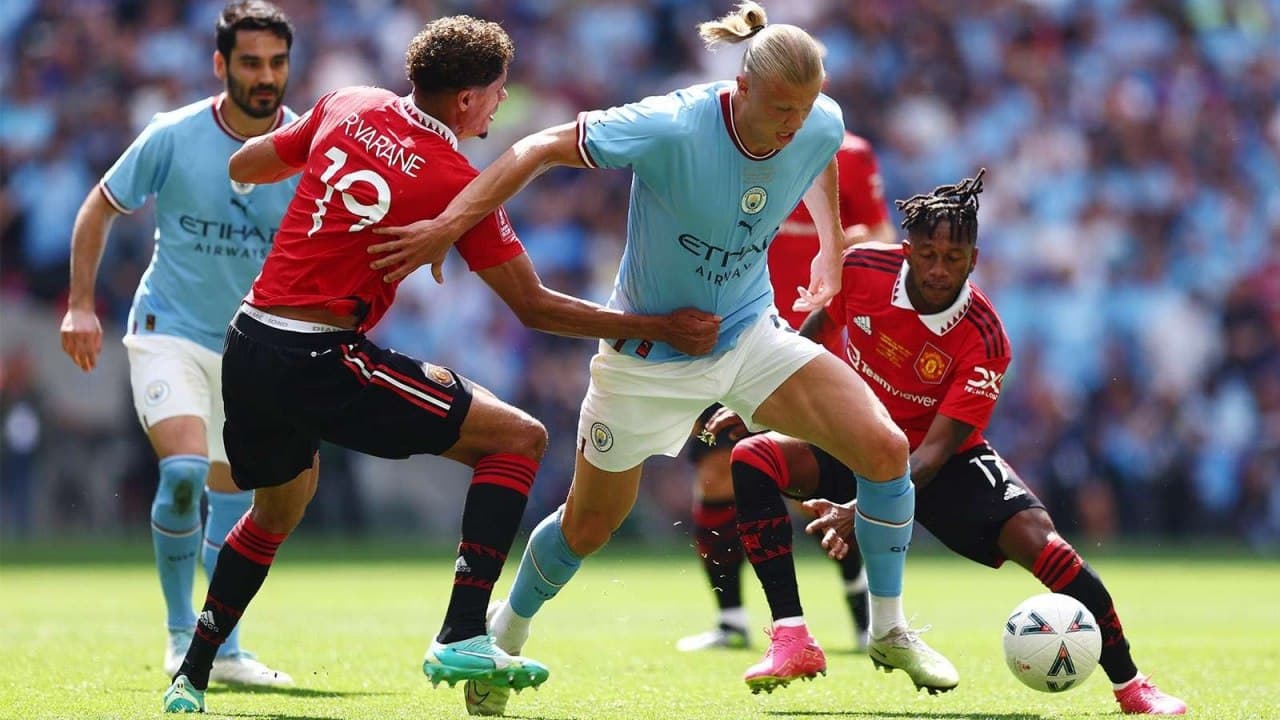
The transfer market has lost its mind - and UEFA's finance chief wants every club owner to wake up before the receipts come due. The warning lands like a two-footed tackle on the beautiful game's spending culture, and the message is blunt: Reliance on high transfer fees risks clubs' survival, UEFA finance chief says. The clubs treating nine-figure deals as the price of admission to the elite are the ones staring down the barrel.
Record-breaking windows have become the norm. Fees that once shocked the football world now barely raise an eyebrow. But behind the glitz of deadline-day drama lurks a quieter, uglier story: insolvency. This isn't about sporting ambition anymore. It's about whether some of these clubs will even exist in five years.
📊 Hundreds of millions in fees, flatlining revenues - For most clubs outside the super-elite, transfer spending has ballooned far faster than the money coming through the door.
The Warning That Should Stop Every Transfer Window in Its Tracks
Why This Lands Now
The timing matters enormously. Football's financial rulebook was rewritten in 2022 when UEFA's Financial Sustainability Regulations (FSR) replaced the old Financial Fair Play framework. The FSR's squad-cost ratio ties transfer amortisation, wages, and agent fees directly to revenue - a hard leash on clubs that have been sprinting away from their own means. The finance chief's warning is the logical next chapter in football's decades-long tug-of-war between ambition and solvency, and it arrives as governing bodies signal they're done playing nice.
The FSR squad-cost rule caps spending on player wages, transfers, and agents at a set percentage of a club's revenue. Everyone inside the game knows it exists. Far fewer have actually adjusted their behaviour to match it. That gap - between the rulebook and the balance sheet - is exactly where the danger lives. As reported by UEFA directly, the framework is here to stay and enforcement is escalating. It isn't a bureaucratic footnote. It's a survival manual, and too many clubs are ignoring the instructions.
Inside Football's Broken Transfer Economy
The Math That Doesn't Add Up
Here's the brutal arithmetic. Clubs are funding marquee signings through debt, owner cash injections, and revenue they haven't earned yet - money that may never arrive if results go south. When a big-money signing flops, the transfer fee doesn't magically shrink. The balance sheet, however, does. And the domino effect is merciless: one overspend fuels wage inflation across the squad, which forces panic sales, which hollows out the team, which drags results down - all the way to administration.
📊 One bad window can trigger a chain reaction - Overspend leads to wage inflation, panic selling, and in the worst cases, administration.
| Funding Source | Risk Level | Why It Matters |
|---|---|---|
| Club revenue | Low | The sustainable gold standard under FSR |
| Debt / loans | High | Must be repaid regardless of on-pitch results |
| Owner injections | Medium | Vanishes overnight if the owner walks away |
| Future revenue | Very High | Spending money that hasn't been earned yet |
The Clubs Most at Risk
The most exposed aren't the giants - they're the mid-tier and ambitious smaller clubs chasing European spots, teams that feel they must spend big to break into the promised land. Contrast that with state-backed and super-club models that can absorb losses others simply cannot. That asymmetry creates a toxic "keep up or get left behind" culture, where clubs bet their futures on a striker who might not score and a Champions League run that might never come. Winning the battle for a signature is meaningless if you lose the war for the club.
What Comes Next - And What Clubs Should Do
Regulatory Pressure Is Building
Expect the squeeze to tighten. FSR enforcement is ramping up, squad-cost ratios are capping spending against revenue, and sanctions are no longer a distant threat. Regulators will scrutinise how deals are structured - amortisation tricks, creative loan obligations, inflated agent fees - and clubs should brace for harder questions and stiffer penalties. The era of spending first and asking forgiveness later is closing fast.