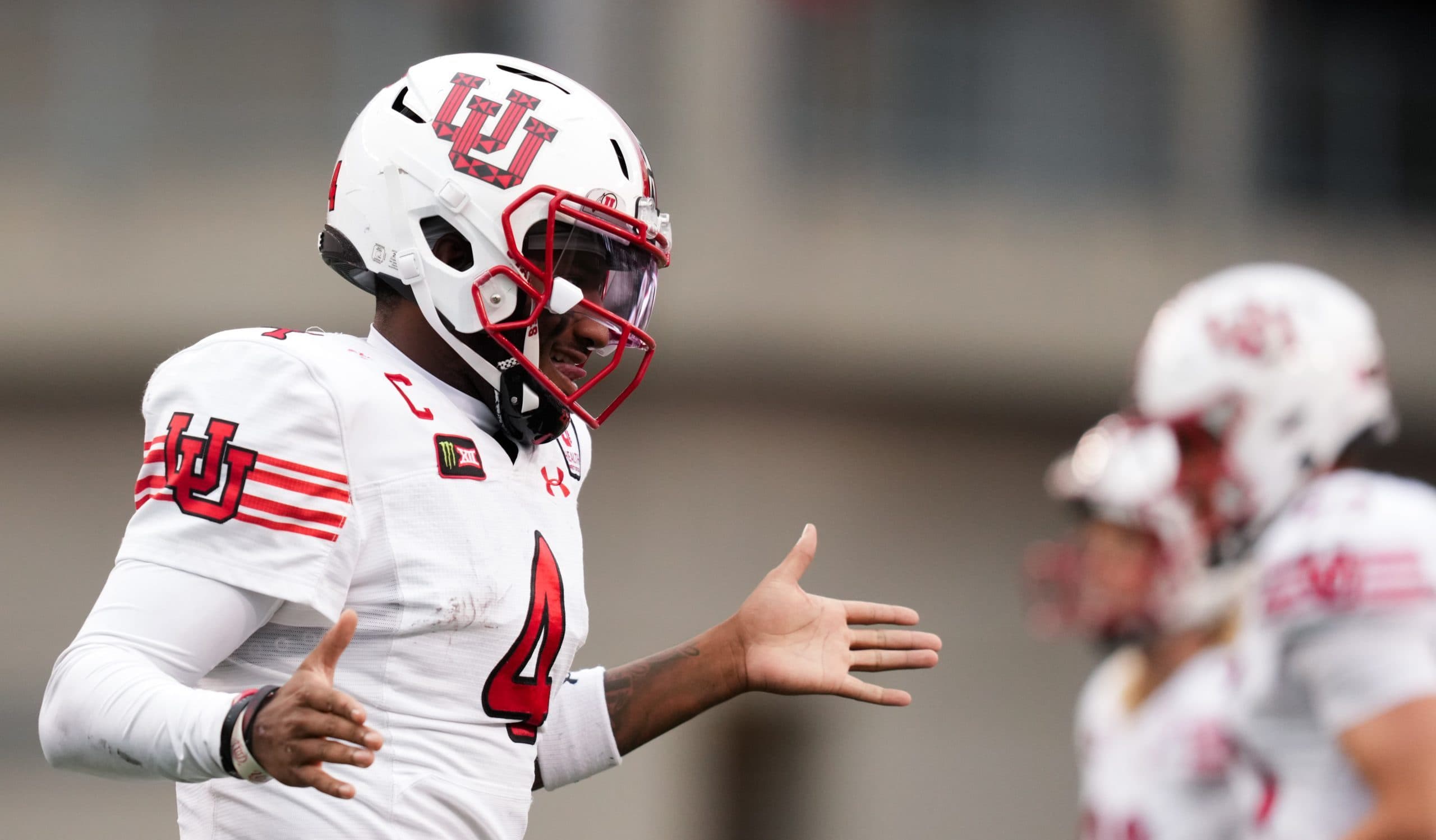
Week 10 offers the last great inefficiency of the college football regular season. Books open player props in staggered waves. Staffs are stretched thin by midweek MACtion, and injury uncertainty hangs over half the slate. That combination produces wider numbers and softer limits - exactly the window sharp bettors hunt before public money rolls in. Here's your framework to attack Early CFB Props for Week 10: College Football Player Props to Target, built around process, not guesswork.
Why Early Week 10 Props Offer the Best Edges
There's a structural reason Week 10 props are softer than September's. Books post them later because midweek conference games - the Tuesday and Wednesday MAC and Conference USA windows - force pricing decisions before full injury data lands. Fewer staff hours, more uncertainty, wider numbers. That's the gap.
Yes, the early-week market is thinner. Limits are lower. But so is the sharp money correcting them. By Friday, lines tighten and the real value evaporates. The edge lives Tuesday through Thursday - and it lives hardest in games books are slow to post at all: Group of Five matchups and late-night kickoff slots where pricing lags behind the data sitting in plain sight.
Why does timing matter so much? Because prop markets don't move like sides and totals. A player prop that opens Tuesday and jumps by Thursday is telling you something. At those limits, books don't move props on public action alone - they move on information. Treat a fast-moving prop as confirmation of a team-side read, not as an entry point. Chase the move and you're already late.
The same logic applies to look-ahead and live markets, which price differently from the main board. Know which books post first and which drag their feet. The laggards are where your best early-week prices hide.
Table: Where the Early-Week Prop Edge Lives
| Market Timing | Market Efficiency | Best Use |
|---|---|---|
| Tuesday - Wednesday open | Low (wide numbers) | Primary entry window |
| Thursday moves | Rising | Confirmation of team info |
| Friday - Saturday close | High (tight numbers) | Value gone - avoid |
> 📊 Props that move before Thursday signal team-side information - use the move as confirmation of your read, never as your entry.
Player Prop Categories Worth Targeting at This Point in the Season
By Week 10, you finally have real sample size. That's your weapon.
Rushing props are the cleanest play. Usage trends are stable - backs who've cleared a volume threshold in back-to-back games are known quantities. Value appears when a hammer back faces a bottom-tier run defense still being priced off season-long averages rather than recent form.
Passing yardage gets interesting because pace-of-play data is fully baked in by November. Find quarterbacks whose opponents rank in the bottom quartile in pass attempts faced, then hunt the lines that lag because of one ugly recent outing. Books overcorrect on recency; you should under-correct.
Receiving yards and receptions are the classic recency trap. Target-heavy wideouts get faded after a dud, and books shave their numbers accordingly. Use target share, not the box score, to find the value. A receiver with 10 targets and a bad catch rate is a buy; one with four targets and a lucky touchdown is a sell.
Anytime touchdowns sharpen up in Week 10 because short-yardage and goal-line roles are finally clear. Check backfield snap shares inside the 10-yard line before the market fully adjusts - that's where the goal-line vultures live.
> 📊 Target share beats box score every time in November prop pricing - recency bias from books creates the gaps sharp bettors exploit.
For weekly matchup context and defensive rankings, cross-reference the official NCAA football statistics and injury designations from ESPN's college football coverage before locking anything in.
Injury Reports, Weather, and the Final Filter
November football means November weather. For northern and outdoor games, wind suppresses passing props and rain boosts rushing volume - sometimes dramatically. Check forecasts before Friday, not Sunday morning when your window has closed.
Injury reports drop midweek, and here's the trap: props stay frozen on stale assumptions even after a status changes. A questionable quarterback's receivers can carry inflated numbers for hours after the news breaks. Confirm statuses before you lock anything in.