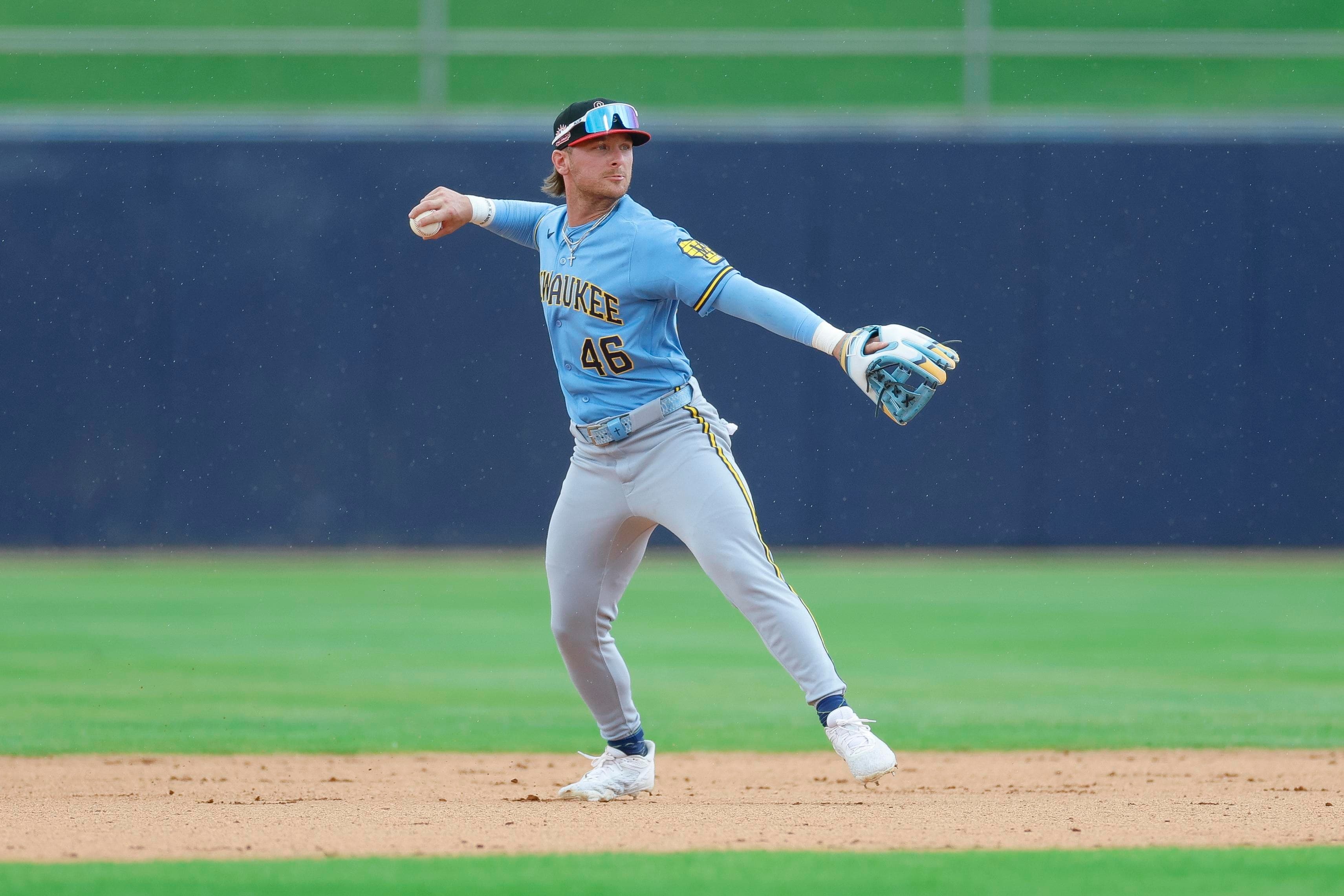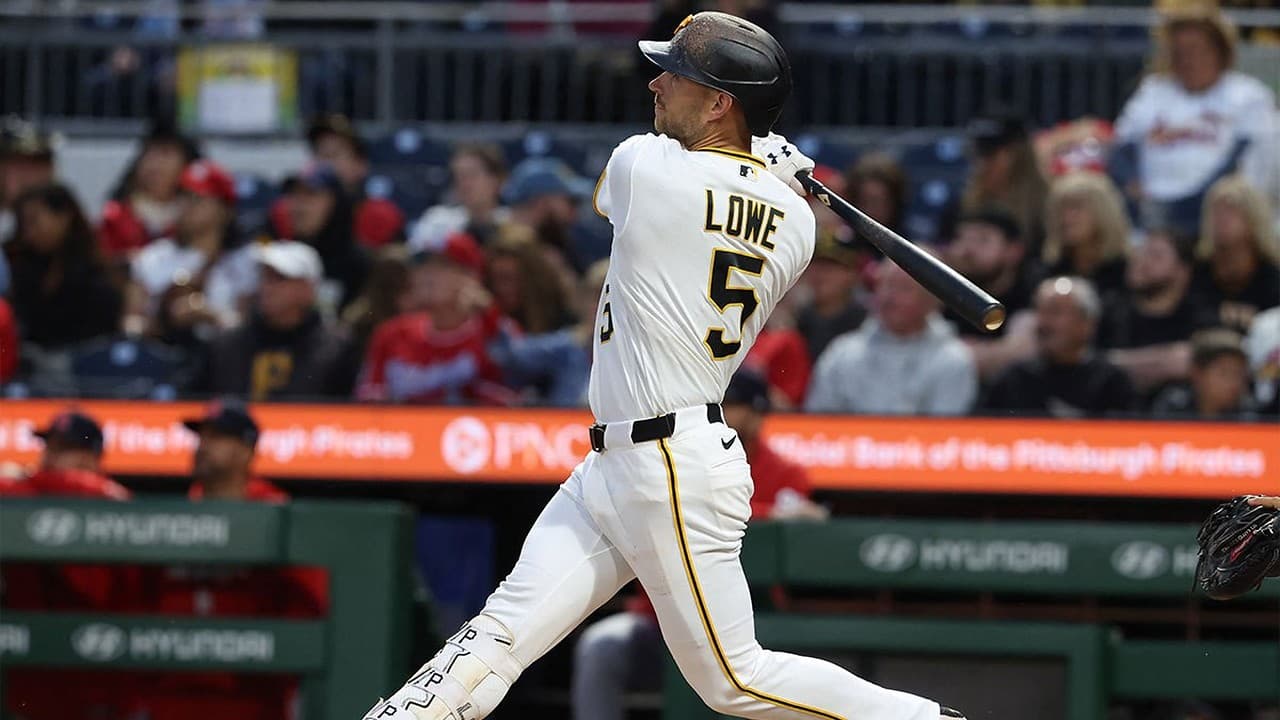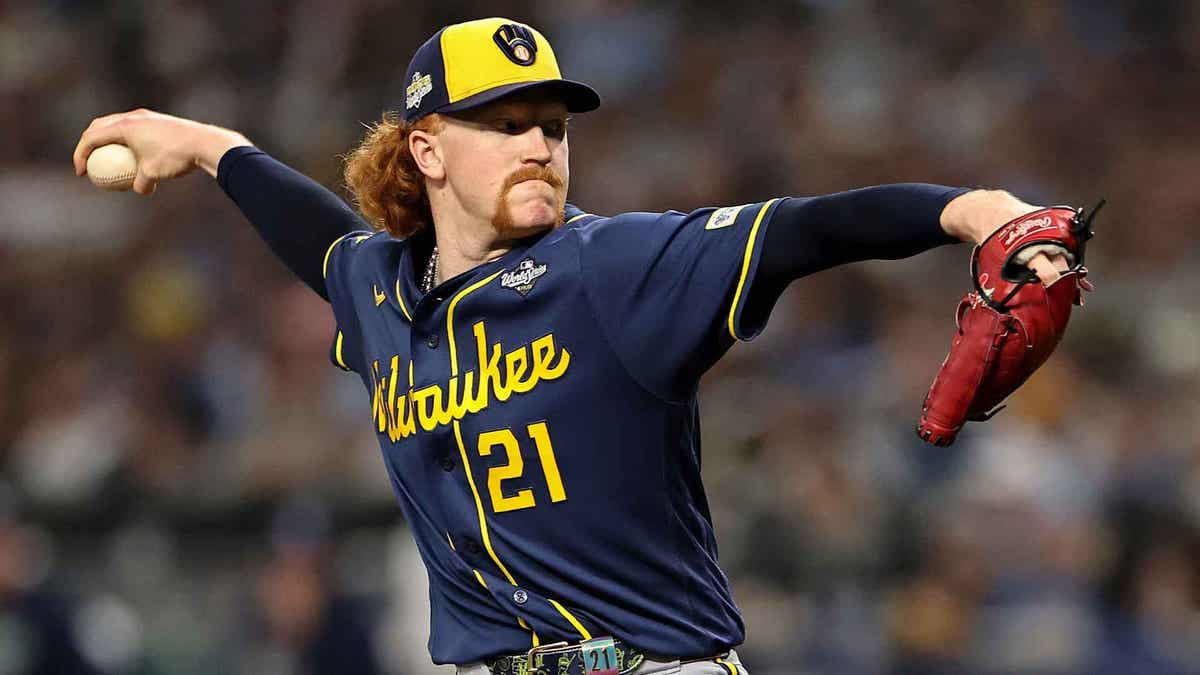
The hot stove just caught fire on the South Side. According to early industry chatter, the Chicago White Sox have reportedly agreed to a $50 million deal with a former Milwaukee Brewers pitcher - a move that would instantly reshape the top of their rotation and signal a genuine shift in how this front office is doing business heading into 2027. This is the kind of transaction fans have been begging for during a long, painful rebuild: a real financial commitment to a proven arm instead of another summer of bargain-bin patchwork. Nothing is official yet, and smart fans know the difference between a report and a press release. But the buzz alone is enough to get the South Side dreaming big.
The Deal At A Glance
Here's where things stand: reports indicate a $50 million commitment to a right-hander who most recently wore Brewers colors. The full structure - years, average annual value, opt-outs, and any deferred money - is still being sorted out in the rumor mill. Until the White Sox publish an official transaction announcement and a primary outlet confirms the terms, treat every number as provisional. That's not pessimism; it's how savvy fans avoid getting burned by aggregator noise.
What we can say is that if the framework holds, $50 million would land as one of the largest pitching investments in recent franchise memory. For a club that has spent the last few winters flipping veterans for prospects, that's a headline in itself.
> 📊 A $50 million pitching commitment would be a major departure from the White Sox's recent spending patterns - exactly the kind of move that separates a rebuild from a genuine contention push.
For the most reliable contract details as they develop, keep an eye on MLB Trade Rumors, which tracks signings and contract structures in real time, and the official White Sox site for any club confirmation.
Why the White Sox Made This Move
Let's be honest about the baseball logic. The White Sox rotation has been a revolving door for years - young arms flashing promise, then hitting innings limits, injuries, or sophomore slumps. Adding a veteran with Brewers pedigree means adding something this staff has lacked: reliability. Milwaukee has built a reputation as one of the best pitching-development organizations in the sport. Arms that leave that system typically arrive with polished mechanics, a deep pitch mix, and - crucially - a track record of competing in meaningful September games.
That experience matters in a division where every series feels like a measuring stick. A $50 million bet on stability also sends a message to the clubhouse and the fan base: the teardown is over, and the front office is ready to supplement the homegrown core with outside help. Pair a proven starter with the young arms already in the system, and suddenly the back half of the rotation looks far less terrifying.
> 📊 Milwaukee's pitching pipeline has been among baseball's most productive in recent seasons - the kind of organizational pedigree that makes a former Brewers arm an attractive bet.
Then there's the payroll angle. Owner-level spending has been a sore subject on the South Side, and a deal of this size - if confirmed - answers the loudest criticism fans have lobbed at the organization. It's one thing to say you'll spend; it's another to wire the money. Verification still matters here. A single social post or aggregator blurb isn't confirmation, and fans should wait for the club's official release before popping champagne.
What It Means for the AL Central
Zoom out, and this move has division-wide ripple effects. The AL Central has quietly become one of baseball's most competitive neighborhoods, and a $50 million rotation upgrade would plant the White Sox firmly in the conversation rather than on the periphery. Rival front offices now have to account for a South Side club that can match up in a three-game series with anyone.