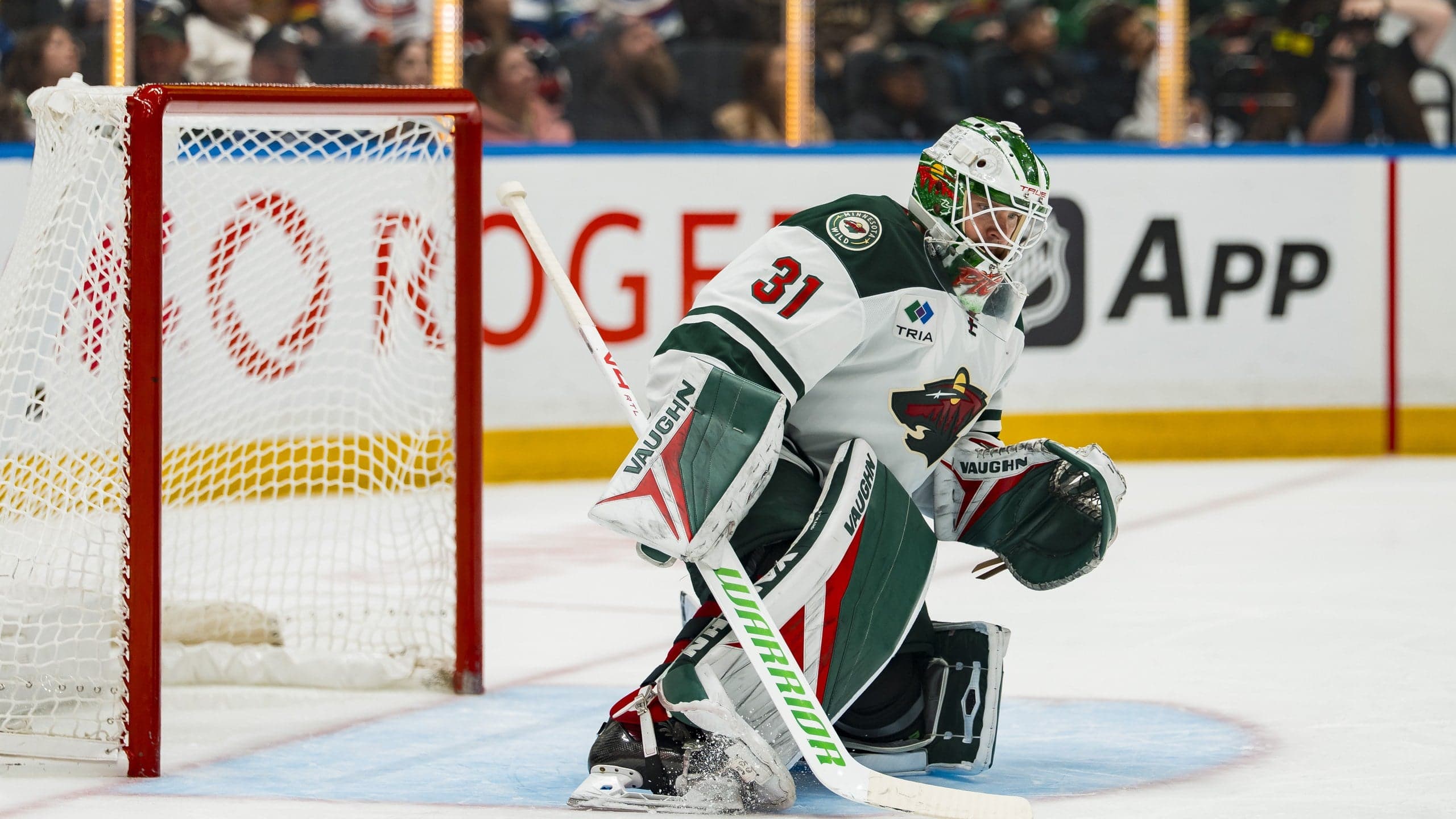
The waiver wire never really sleeps in the NHL. Neither does the drama surrounding the State of Hockey's crease. On Tuesday, a Minnesota Wild goaltender cleared waivers after going unclaimed through the full 24-hour window, opening the door for the organization to assign him to the Iowa Wild of the AHL. It's not a blockbuster. But in a league where every contract slot and every third-string netminder matters, it's a move worth a closer look.
The Waiver Wire Dust Settles: What Went Down
Here's the mechanics, because waivers are the most misunderstood transaction in hockey. Per the NHL's collective bargaining agreement, a player placed on waivers is available to the other 31 clubs for a 24-hour window. Any claim is awarded by reverse order of the current league standings - meaning the basement dwellers get first dibs. When no team bites, the player is free to be assigned to the AHL affiliate. That's exactly what happened here, with the Wild's depth netminder bound for Iowa.
Why did he go unclaimed? Simple. Every GM in the league has his own crease problems to solve, and most clubs are carrying three goalies as it is. A depth option with limited NHL reps is a tough sell when teams are already juggling their own waiver math. For Minnesota, that's a quiet win - organizational depth stays intact, and no asset walks for nothing. In the grand scheme of the season, a Minnesota Wild Goalie Clears Waivers storyline like this reminds you how much roster chess gets played below the highlight reel.
> 📊 24 hours - The exact window a player sits on waivers before clearing, per the NHL CBA.
The news isn't glamorous, but it keeps the pipeline flexible. Earlier this season, the Wild shuffled bodies between St. Paul and Des Moines more than once - you can read our coverage of their earlier call-up decisions for the fuller depth picture.
Why the Wild Went This Route (Depth, Flexibility, and the Wallstedt Factor)
Let's talk about the elephant in the crease: Filip Gustavsson and Jesper Wallstedt. Since Marc-André Fleury wrapped his legendary career following the 2024 - 25 season, Minnesota's net has been Gustavsson's to hold and Wallstedt's to chase. That's the franchise arc. Any waiver move involving a depth goaltender has to be read through that lens - the Wild aren't hunting for a starter, they're protecting the runway for their prized Swedish prospect.
Wallstedt is the future, and every AHL assignment or waiver decision near him is about protecting his development path. Sending a veteran depth piece to Iowa gives the organization a trusted partner for Wallstedt - someone to split reps and mentor, or to push warm bodies through the system as injuries hit. Team sources have long framed the goalie pipeline as a "wall" - find out more in our coverage of the Wild's Wall brand of goaltending and what it means for the crease.
The Money and Contract Angle
Money is the hidden driver of every waiver decision. A player clearing waivers can have a portion of his cap hit buried in the AHL - up to the league's max buriable threshold - which lets a capped-out team claw back a little breathing room. For Minnesota, minimizing dead cap while keeping a call-up option intact is the name of the game. Two-way contract structures, entry-level slides, and the ever-rising salary cap ceiling all factor into why GMs treat waivers like a spreadsheet game. Bottom line: clearing waivers is the cheapest way to keep usable depth a phone call away from the NHL roster.
> 📊 31 rival clubs pass - The full field of other NHL organizations declined to claim, a reminder of the current league-wide goalie glut.