The World Grand Prix is one of the PDC's most unforgiving majors - and with the 2026 edition looming on the October calendar, darts fans are bracing for another week of double-in, double-out drama. Here's everything you need to know about how the tournament works, who's won it, and what's on the line.
If you've been following our recent darts coverage across the major circuit, you'll know the World Grand Prix occupies a unique place in the calendar. It lands right after the World Matchplay and before the Grand Slam of Darts - a nightmare for favourites and a goldmine for upsets.
The Format: Double-In, Double-Out Chaos
The World Grand Prix is the only major on the PDC calendar that uses a double-in, double-out format. That single rule changes everything.
How It Works
Every leg must start with a double and finish on a double. Miss your opening double, and your opponent gets a free run at the leg. It's brutal, it's fast, and it's produced some of the most unpredictable results in darts history. Big names regularly crash out early here - which is exactly why fans love it.
📊 Double-in, double-out is used at no other PDC major - the World Grand Prix is the sole event on the calendar where every single leg begins and ends on a double.
The field typically features 32 players: the top 16 from the PDC Order of Merit, plus Pro Tour qualifiers and international representatives. Matches are played as short-format sets in the early rounds, stretching to longer set play in the semi-finals and final.
The 2026 edition is expected to follow the established October slot, with the draw and schedule confirmed by the PDC closer to the event. As of late September 2026, the official confirmation of the field and exact schedule is still pending, so keep an eye on the PDC's official channels for the moment the draw drops.
Results: A Roll Call of Champions
The World Grand Prix has crowned some of the sport's biggest names since its inception in 1998.
Phil Taylor dominates the history books with a record 11 titles, including a run of dominance through the 2000s that may never be matched. Michael van Gerwen has been the modern era's standout performer at this event, claiming multiple titles and consistently reaching the business end of the week.
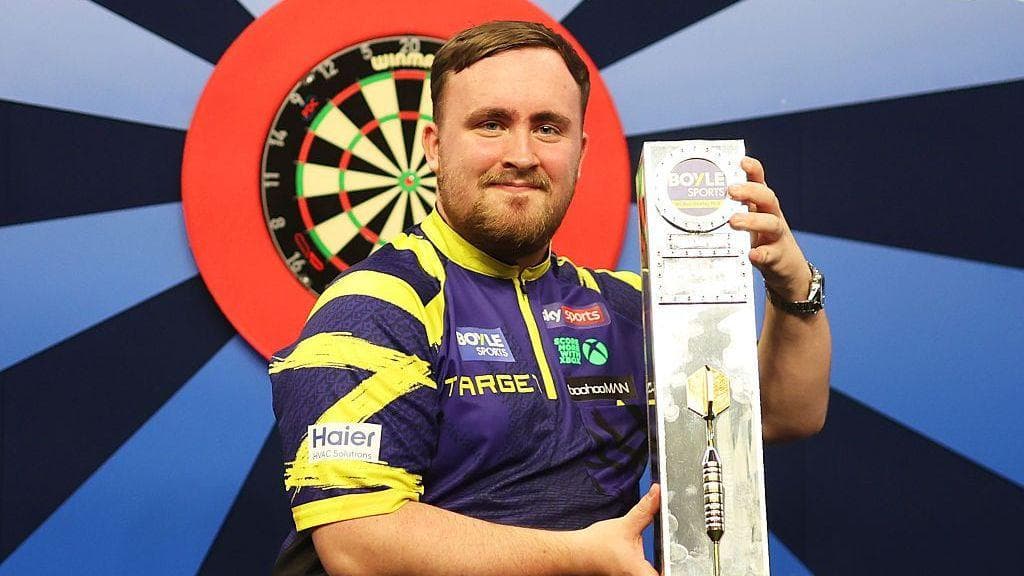
Other notable champions include James Wade, Gerwyn Price, Jonny Clayton, and Luke Humphries - the latter arriving as one of the sport's elite forces after his World Championship breakthrough. The tournament has a habit of producing first-time major winners and confirming emerging stars, thanks in large part to the format's levelling effect.
📊 Phil Taylor's 11 World Grand Prix titles remain one of the most untouchable records in professional darts - more than double any other player's tally at the event.
| Player | Titles | Era of Dominance |
|---|---|---|
| Phil Taylor | 11 | 1998 - 2013 |
| Michael van Gerwen | Multiple | 2010s - 2020s |
| James Wade | Multiple | 2000s - 2010s |
| Gerwyn Price | Multiple | 2020s |
| Jonny Clayton | Multiple | 2020s |
| Luke Humphries | Multiple | 2020s |
For the most current 2026 results, the PDC's official site publishes the draw, scores, and round-by-round updates as play unfolds. Fans wanting reliable, real-time coverage should bookmark the official PDC website and trusted darting outlets like Sky Sports Darts, which update scores, averages, and checkout percentages throughout the week.
Prize Money: What's On the Line
The World Grand Prix prize fund has historically sat in the £400,000 - £600,000 range, with the champion taking home a substantial six-figure share.
Prize money at this event matters beyond prestige - it counts toward the PDC Order of Merit, which determines qualification for the World Championship, Premier League, and other majors. A deep run here can reshape a player's entire season.
📊 Prize money counts toward the PDC Order of Merit - a strong week at the World Grand Prix can lift a player's ranking and lock in spots at the sport's biggest events.