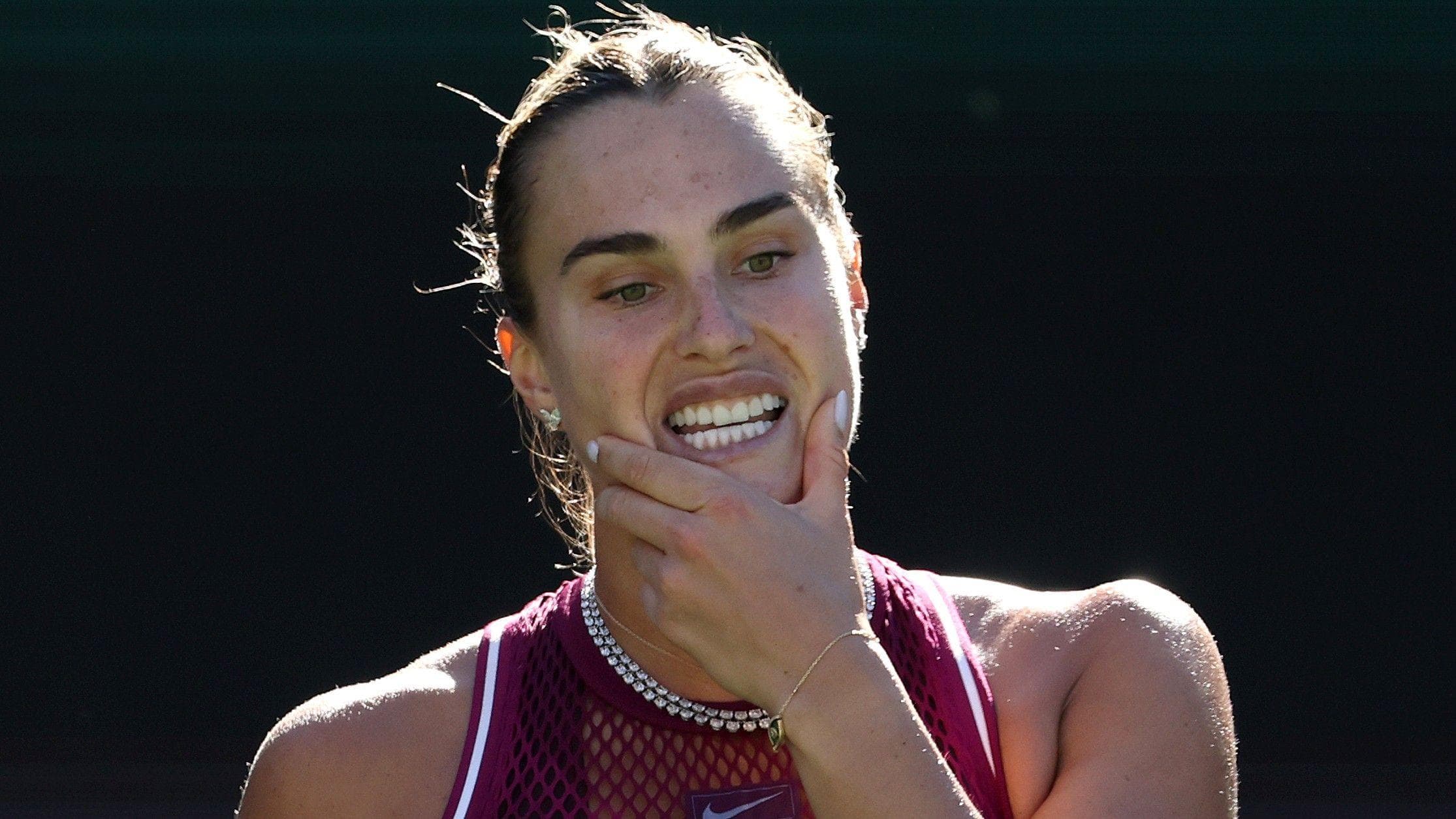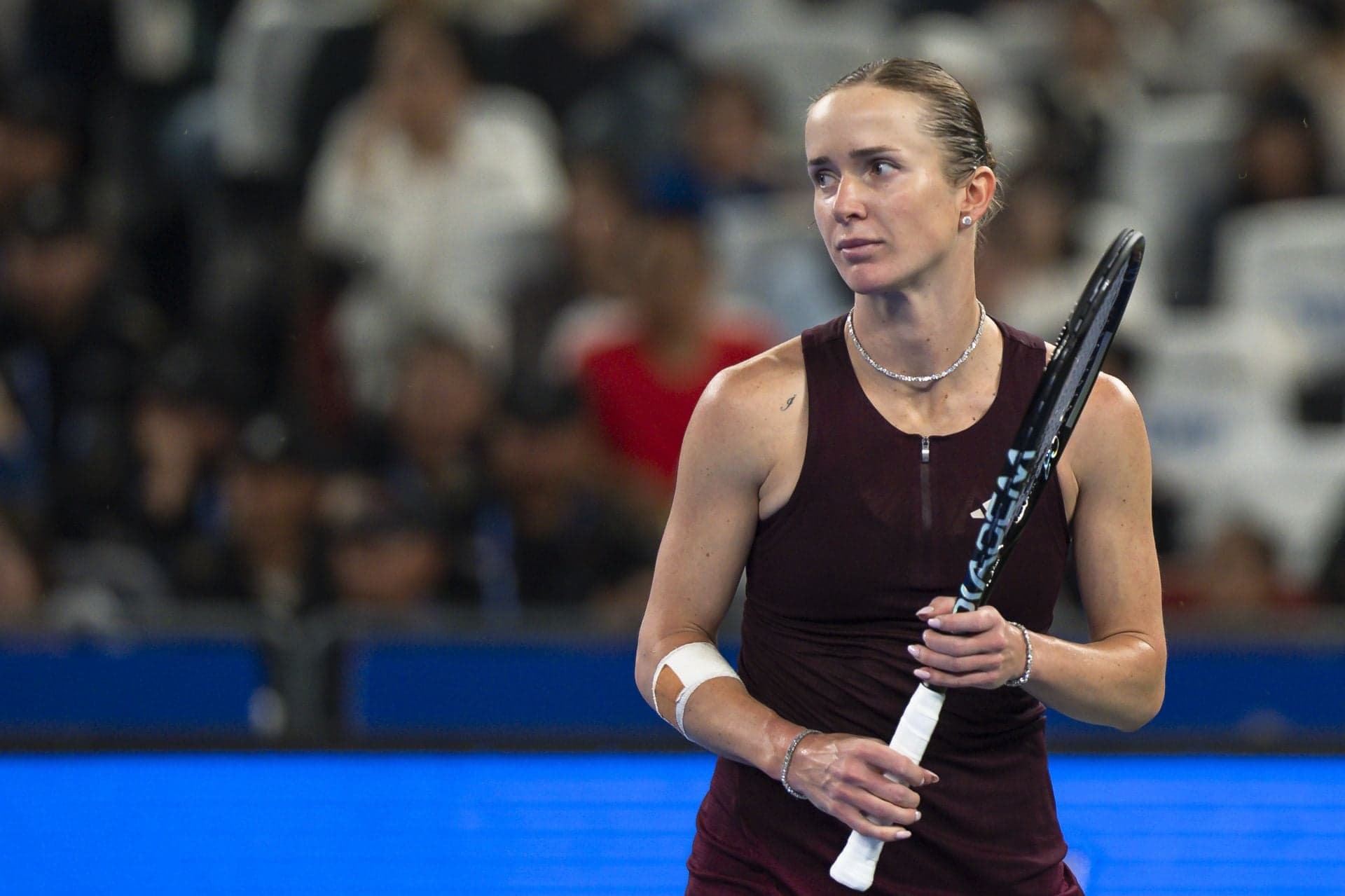
The net is where tennis says everything without saying a word. On Monday night at the WTA Finals, it said nothing at all. Elina Svitolina walked off without offering her hand to Mirra Andreeva, and that brief, cold moment became the most-debated scene of the tournament.
The collision is stark: a veteran at the far end of a hard road, and a teenage star still learning how bright the lights can burn. The Ukrainian's policy of not shaking hands with Russian and Belarusian players is well established. But this latest chapter at the WTA Finals has reignited the argument about where principle ends and protocol begins. Fans are already split down the middle. Players are watching. The tour is under pressure to say something.
Two forces are colliding here: a conviction that will not bend, and a rising career caught in a storm it never requested. Below, we break down both sides of the net and the awkward fallout nobody wants to referee.
Why Svitolina Won't Shake - and Why Andreeva Isn't Backing Down
The Policy Behind the Cold Shoulder
This isn't a spur-of-the-moment snub. Svitolina has applied the same rule since Russia's full-scale invasion of Ukraine in 2022, and she's been consistent across tournaments, opponents, and controversy. She has called openly for Russian and Belarusian players to speak out against the war, arguing - in her own on-record comments - that silence carries its own message. For her, the gesture at the net is not small talk; it's a line.
The tennis world has largely learned to live with the policy. Opponents expect it. Broadcasters have stopped pretending to be shocked. And crucially, Svitolina has never dressed the snub up as something it isn't. Fans may disagree with the gesture, but few accuse her of hiding her reasoning. That consistency is exactly why the moment still carries such weight.
Andreeva's Side of the Net
Flip the lens. Mirra Andreeva is one of the brightest young talents on tour, a player whose rise has been built on heavy forehands and a fearless personality - not on politics. Yet she is the one standing in the crossfire, and the "embarrassment" label cuts differently depending on which side of the net you're watching from.
Andreeva has navigated similar moments before, and her camp has kept her public comments restrained rather than inflammatory. But the world is now watching how a teenager handles a controversy she did not create, and whether the pressure of moments like this affects her tennis this week. That is where the real stakes live.
| Elina Svitolina | Mirra Andreeva | |
|---|---|---|
| Nationality | Ukraine | Russia |
| Career stage | Veteran | Rising star |
| Net-gesture stance | Has not shaken hands with Russian and Belarusian players since the invasion began, per her stated position | Caught in the middle of an established policy; has kept public comments measured |
| Public response | Mixed - praised by some for consistency, criticized by others for the snub | Mixed - seen both as collateral damage and as part of the story |
Figures reflect the stated policy positions as reported; verify all quotes and rankings against WTA official sources before publication.
> 📊 Since 2022, Svitolina has declined handshakes with Russian and Belarusian opponents - a policy she has applied consistently at every tour stop, not just at the WTA Finals.
The Fallout: Tennis's Awkward Question Nobody Wants to Answer
Here's the uncomfortable truth: the tour has no clean answer. The WTA's protocols don't neatly wrap around a gesture that is simultaneously a personal protest and a public spectacle. Players' safety and mental health are now part of every conversation, because a cold net moment can spiral into online abuse before the post-match press conference even starts.