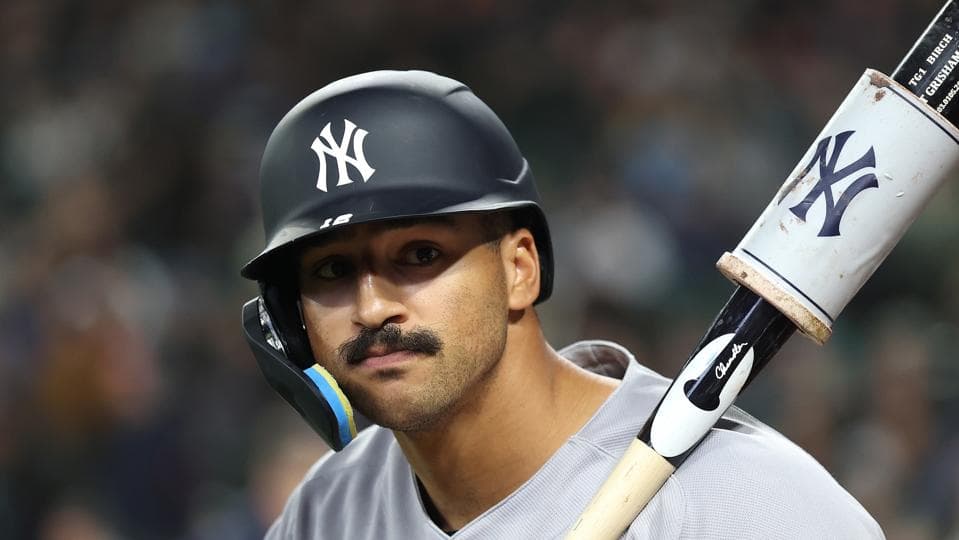
The calendar doesn't lie. It's September 19, 2026. The Yankees are staring down a playoff collision with Boston, and Trent Grisham - a man who has logged real innings in pinstripes - is reportedly on the wrong side of the roster math. Word out of the Bronx says the organization is prepared to make a harsh call. It stings because it's less about what Grisham did wrong and more about what October demands.
The logic is brutal but familiar. Playoff rosters shrink. Every bench spot has to justify itself. Defensive specialists who don't hit get squeezed first. Grisham fits that profile exactly - elite glove, streaky bat - which makes him the type of player who gets scapegoated when a team must choose between versatility and specialization. If the Yankees lean toward carrying an extra bat or a speed matchup piece for a Red Sox series, Grisham becomes the casualty.
What makes this "harsh" isn't the decision itself. It's the timing. Cutting a veteran contributor loose right before the games that matter most, against your most hated rival, is a message. The front office believes October margins are won with the bat, not the glove - even if that means sacrificing outfield insurance.
📊 Grisham has logged over 700 games across his MLB career - a reminder that this isn't a rookie getting squeezed, but an established veteran facing a cold October reality.
The Roster Math Doesn't Work, and Someone Has to Pay
The Yankees' outfield is crowded, and it's crowded with players who offer more offensive upside or more positional flexibility than Grisham. When you're building a playoff bench, you're not building for a 162-game grind - you're building for specific, high-leverage moments: a pinch-hit against a righty reliever, a defensive replacement in the ninth, a pinch-runner in extras. Grisham checks one box but leaves others empty.
Table: Grisham's Playoff Roster Value vs. Roster Needs
| Roster Need | Does Grisham Fill It? | Alternative Options |
|---|---|---|
| Left-handed pinch bat | Limited | Multiple candidates |
| Pinch-runner in extras | Average speed | Faster utility options |
| Defensive replacement (OF) | Elite | Bench regulars can cover |
| Positional versatility | Limited (OF only) | Infield/OF hybrids available |
| Late-inning matchup piece | Situational | More consistent bats |
Against Boston specifically, the calculus gets sharper. The Red Sox lineup punishes mistakes. Their bullpen mixes looks in a way that demands adaptable bench pieces. The Yankees need players who can do more than stand in center field. If Grisham is only a glove, he's a luxury the roster can't afford.
The Message It Sends to the Clubhouse
Harsh decisions aren't just about the guy who gets cut. They're about everyone watching. Veterans notice when a teammate gets sacrificed for a matchup advantage. It can light a fire, or it can sow doubt. The Yankees are betting on the former. But make no mistake - this is a gamble on clubhouse chemistry as much as it is a baseball move.
There's also the human element. Grisham has been a professional, a good teammate, a guy who shows up. Releasing or benching him in September doesn't erase that. It does remind everyone that October is merciless. The Yankees are treating this like a business, and the business says: production over sentiment.
MLB Trade Rumors has consistently tracked how playoff roster crunches squeeze defensive specialists, and this situation fits that pattern precisely. For the latest official roster moves, MLB.com remains the definitive source.
What This Means for the Red Sox Series and Beyond
If the Yankees follow through, the ripple effects matter. First, it signals they're prioritizing offense in a series where runs will be at a premium. Second, it puts pressure on whoever takes Grisham's spot to actually deliver - because if the replacement goes cold, the decision looks like a mistake. Third, it sets a tone: the Yankees are willing to make uncomfortable calls to win now.