On October 10, 2026, the New York Rangers confirmed the worst-case scenario: Igor Shesterkin is out for the season with a lower-body injury. No timetable. No return window. No miracle rehab arc. Just a franchise pillar gone - and a season instantly reframed around a question nobody in Manhattan wanted to ask: what does this team look like without the best goalie on the planet?
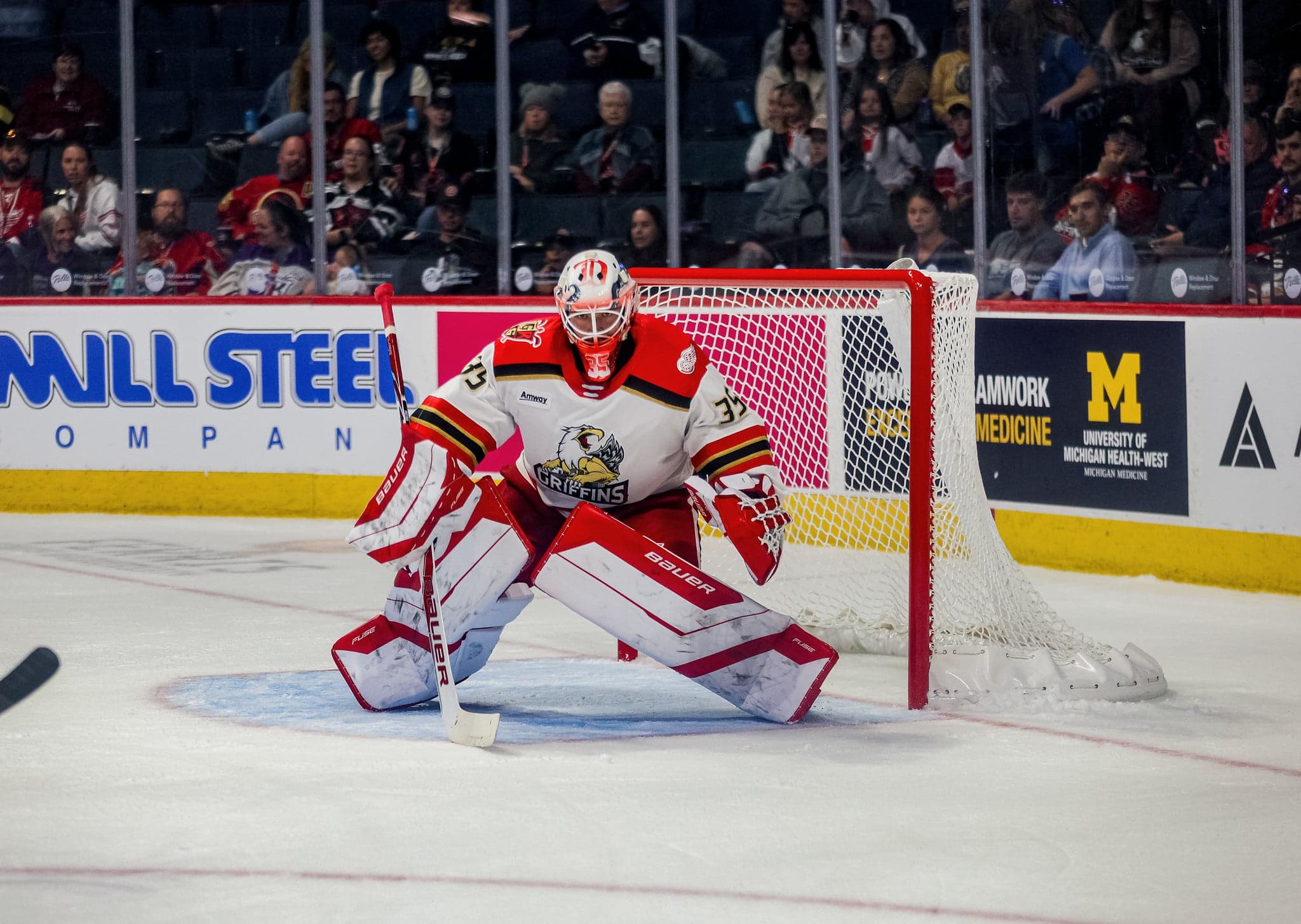
Two days later, the hockey world got its first answer. The Rangers beat the Vancouver Canucks in a 1 - 0-style grind that had Madison Square Garden holding its breath every time the puck crossed the blue line. Rookie netminder Garand stopped 19 saves in a debut that felt less like a coronation and more like a survival drill.
That's where Rangers: the story behind the headlines and who it affects most gets interesting. This isn't just an injury story. It's the story of what happens to a franchise built around a single goaltender - and who absorbs the fallout. The rookie thrown into the fire. The skaters asked to play tighter, uglier, lower-event hockey. A front office whose entire deadline math just got flipped. And a fanbase that suddenly has to rethink what "contender" even means.
What the Last 48 Hours Actually Revealed
Garand's Debut Was a Statement - But Not a Solution
Let's be clear about what happened against Vancouver. Garand's 19-save performance wasn't just a feel-good debut story you tell for a week and forget. It was the Rangers' blueprint for survival, live on tape: fewer chances against, cleaner exits from the defensive zone, and zero margin for error.
📊 19 saves in his first career start without Shesterkin - Garand's debut wasn't about volume; it was about the Rangers collapsing into a shell that protected him.
The postgame notes framed it plainly - this team "knows what needs to be done" to win without Shesterkin. That's code for structural change. The forecheck gets deeper. The defensemen stop pinching. Every shift becomes a low-event hockey drill where the goalie only has to be good, not superhuman. One game in, that worked against Vancouver. Over 75 more games, it's an entirely different question, and every opponent from here on out will be hunting for the seam that opens when a rookie gets tested 30 times instead of 19.
The Front Office Clock Is Already Ticking
Shesterkin's season-ending diagnosis on October 10 didn't just shake the roster - it upended the Rangers' trade deadline math, their cap planning, and their long-term contention window in one afternoon. The front office now faces a brutal two-track reality: develop Garand and preserve assets, or chase a veteran stopgap before the pressure of a playoff race makes the decision for them.
Either path comes with a tax. Ride the rookie and you gamble on development under fire. Trade for a rental and you're paying deadline prices in October, when every other general manager in the league knows your hand. Either way, every headline written between now and April 2027 will carry this storyline.
Table: Rangers' Two-Track Reality After Shesterkin's Injury
| Path | What It Looks Like | The Risk |
|---|---|---|
| Ride with Garand | Rookie starts, assets preserved, cap space kept | Development fast-tracked under maximum pressure |
| Chase a veteran | Trade for a stopgap netminder | Paying inflated deadline prices months early |