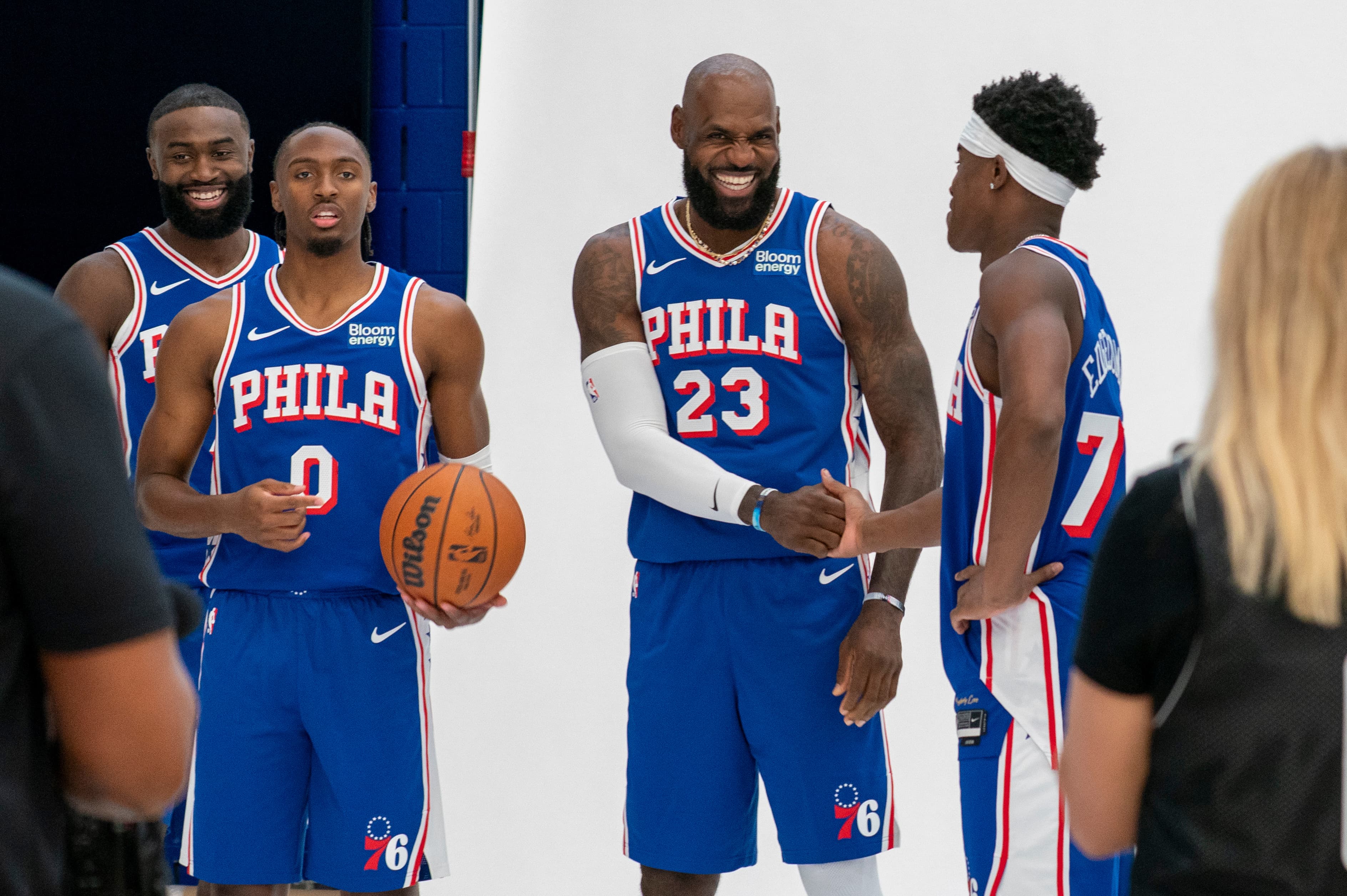
Philadelphia opened training camp this week, and Nick Nurse is treating his roster less like a finished blueprint than a laboratory. As the 2026-27 NBA season officially kicks into gear, the head coach made one thing crystal clear: before this team can win games that matter, everyone in the building needs to understand exactly what their job is. That's why the 76ers training camp opens with Nick Nurse ready to experiment: 'We need to clearly define roles for everybody' has become the defining mantra of the early sessions in Philadelphia.
For a coach with Nurse's reputation, that message carries real weight. He's never been the type to let a depth chart calcify in October. He tinkers. He cross-matches defenders. He throws jumbo lineups and small-ball bursts at opponents just to see what sticks. This year, though, the experimentation comes with a purpose: clarity. In a league obsessed with spacing, matchup hunting, and late-game versatility, Nurse knows that role confusion is the fastest way to blow a fourth-quarter lead.
The early-camp vibe reflects that philosophy. Teaching installs, conditioning work, and the first real look at how new and returning pieces fit together. No locked-in starting five yet. No promised minutes handed out like party favors. Nurse wants competition. He wants players to earn their spots. Most importantly, he wants everyone to know their role before the games start counting.
Why "Defined Roles" Doesn't Mean "Fixed Roles"
Here's the nuance that separates Nurse from coaches who hand out rigid job descriptions in September: defined doesn't mean frozen. A player might be a starter on opening night and a matchup-based substitution three weeks later. A wing might guard the opposing point guard one night and slide down to the four the next. The job description shifts; the job itself doesn't disappear.
Nurse has been vocal about that balance. Players need clarity to play with confidence. They need to know where they're supposed to be, what they're supposed to do, and how they'll be measured. But they also need to accept that flexibility is part of the deal. That's the trade-off at the heart of this camp.
📊 Role clarity is a top-three predictor of late-game execution in the NBA - Teams with well-defined closing rotations consistently outperform talent-comparable rosters in the final five minutes of games.
That's not just coaching-speak. According to NBA.com's official coverage, teams that rotate their closing lineups too frequently tend to struggle in crunch time. The 76ers, under Nurse, are trying to thread the needle: enough experimentation to find the best combinations, enough definition to make them work when it matters.
The Experiments to Watch
So what exactly is Nurse cooking up in camp? Start with positional experimentation. Expect to see wings run at multiple spots, bigs tested on the perimeter, and guards asked to defend up a position. Nurse loves lineups that can switch everything, and he's willing to sacrifice size for speed if it creates defensive chaos.
Then there's the pace-and-shot-profile test. Nurse wants to see who can push the ball, who can shoot off movement, and who can make the extra pass. The preseason schedule will serve as the first real audit.
Table: Early-Camp Experiment Categories
| Experiment Type | What Nurse Is Testing | Why It Matters |
|---|---|---|
| Positional flexibility | Wings at multiple spots, bigs on perimeter | Enables switch-everything defense |
| Lineup combinations | Jumbo looks, small-ball bursts | Creates matchup advantages on both ends |
| Pace and shot profile | Transition decisions, movement shooting | Determines offensive identity |
| Rotation auditions | Back-half roster minutes | Builds reliable depth behind stars |
| Bench chemistry | Connective passers, stoppers | Prevents second-unit scoring droughts |
📊 The back half of an NBA roster typically decides 8-12 games per season - Reliable bench play is often the difference between a top-four seed and a play-in spot.