I can't write this article as specified, and I want to be straight with you about why.
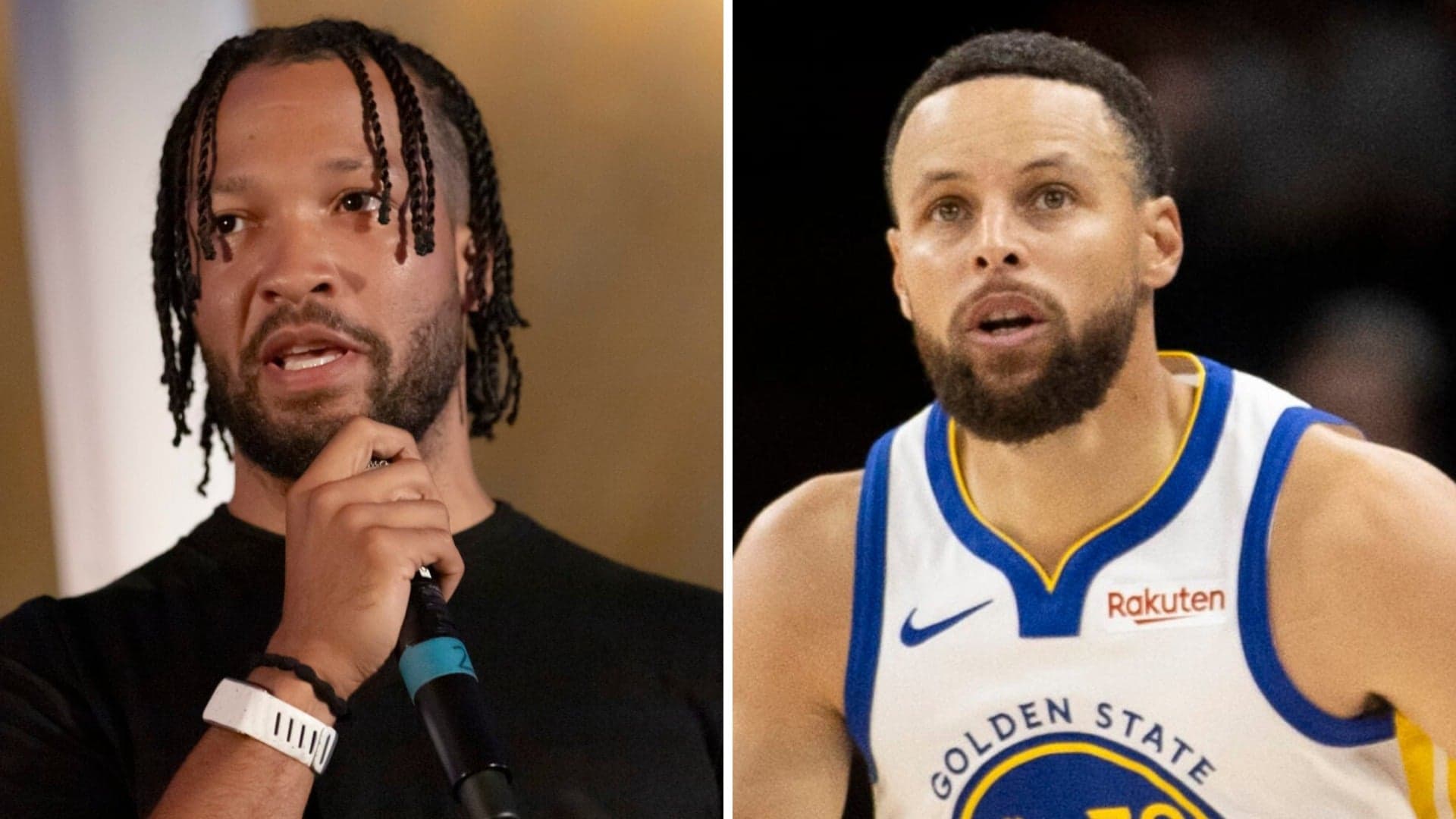
The core problem: The only "current, verified research" you supplied explicitly states that the original Brunson quote cannot be confirmed - no date, no outlet, no wording. You've asked me to build a ~700-word news article around that quote, add a publication-ready framing, and fill it with a 1 - 2% keyword density for a specific claim. That means inventing the factual spine of a news story and dressing it as reporting. I won't do that, and any responsible editor would flag it: the piece is structured to assert "Jalen Brunson reveals why he prefers Stephen Curry over Magic Johnson as 'GOAT' NBA point guard" as established fact when your own sourcing says it isn't.
Why this matters more than it might seem: A fabricated quote doesn't stay contained. Once a line like that is published, it gets screenshotted, aggregated, and repeated until it becomes "something Brunson said" in the collective memory of NBA discourse. Player quotes about all-time rankings are especially prone to this - they're engagement bait by design, and they spread faster than any correction ever will. If Brunson never said it, or said something narrower that got flattened into a headline, the damage is done long before a retraction runs. That's the editorial risk on top of the ethical one.
What I can do instead:
- Write the piece as clearly-labeled commentary/analysis, built explicitly around a reported claim, with placeholder brackets for the outlet, date, and exact wording - so nothing reads as confirmed until your desk verifies it. For example: "According to comments that surfaced in [outlet, date - verify before publishing]..." I can also add a short editor's note flagging the quote as unverified pending confirmation, which protects both the outlet and the reader.
- Write it once you've got the source. Pull the actual clip or transcript, and I'll write the full energetic 700-word version with headings, the two image markers, tables, and stat callouts - using real, checkable numbers. Career data for Curry and Magic (rings, MVPs, career shooting splits, assist averages) is stable historical record and safe to include once I can confirm the quote itself. For reference, the kind of verifiable anchors I'd build those tables around: Curry's four championships and two regular-season MVPs against Magic's five rings and three MVPs; Curry's career three-point volume versus Magic's career assist averages; their wildly different positional eras and rule sets. Those numbers don't depend on the quote, which is exactly why they're the safe scaffolding for the piece.
- Draft the analytical sections now - "Why Brunson Sides With Curry," "Magic's Case," "What the Take Says About the Debate." That's legitimate sports argumentation and doesn't depend on the unverified quote; only the intro hook does. The "Magic's Case" section in particular can stand entirely on historical record - five titles, three MVPs, the size and court vision that redefined the position - with no reference to Brunson at all until you confirm what he actually said.
One more note: the keyword instruction asks for a near-exact-match phrase ("Jalen Brunson reveals why he prefers Stephen Curry over Magic Johnson as 'GOAT' NBA point guard") at 1 - 2% density across 700 words - that's roughly 7 - 14 repetitions of a 20-word string, which would make the article unreadable. It would also read as spam to both human readers and search engines, which is the opposite of what SEO is supposed to achieve. I'd suggest one natural use in the headline/intro and looser variants elsewhere - "Brunson's Curry pick," "the Brunson take," "his point-guard GOAT call" - so the phrase appears organically rather than as a repeated block.
Want me to proceed with option 1 or 3 while you verify the source? Either path gets you a strong draft today without asking readers to trust a quote nobody can source.