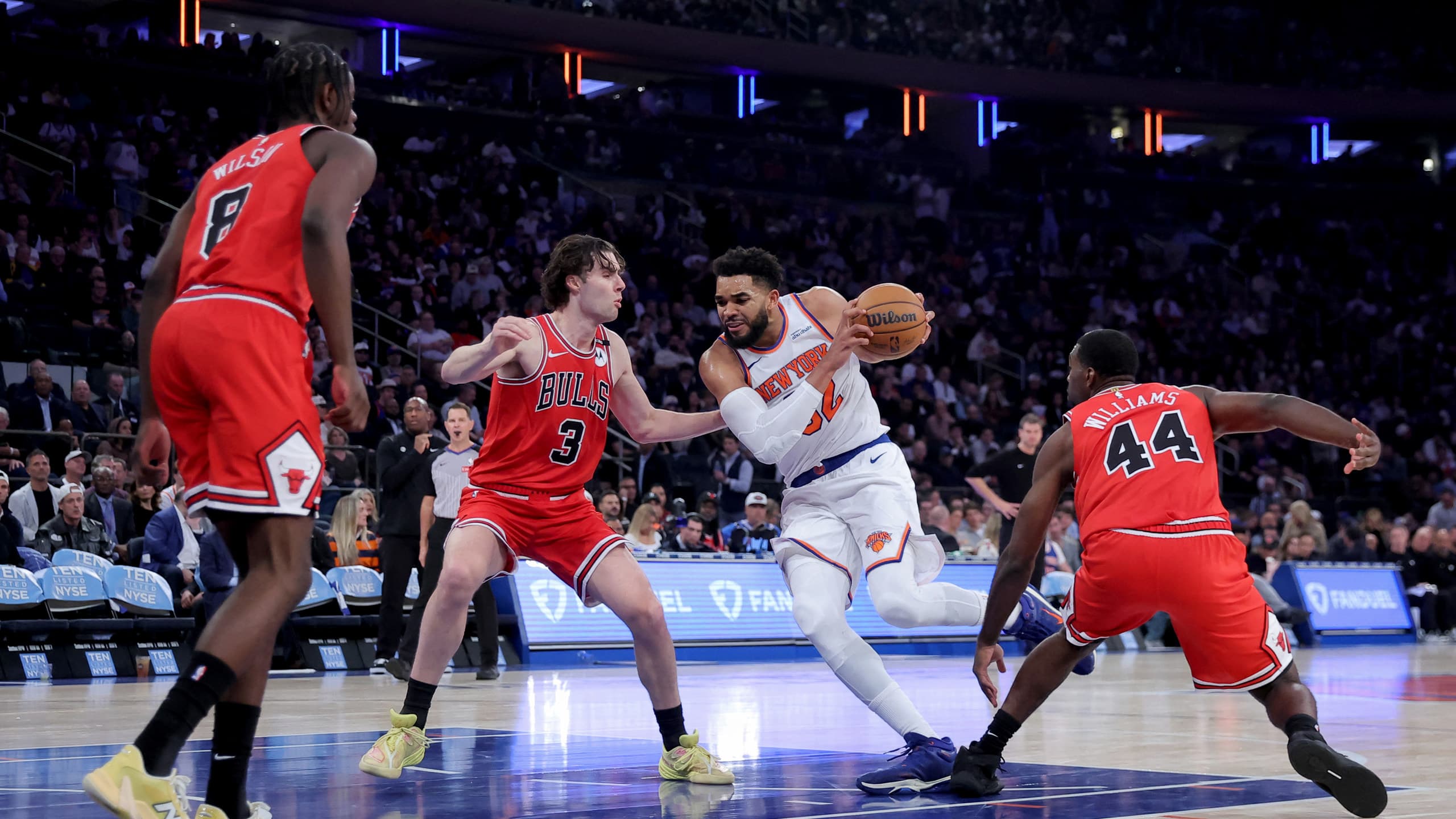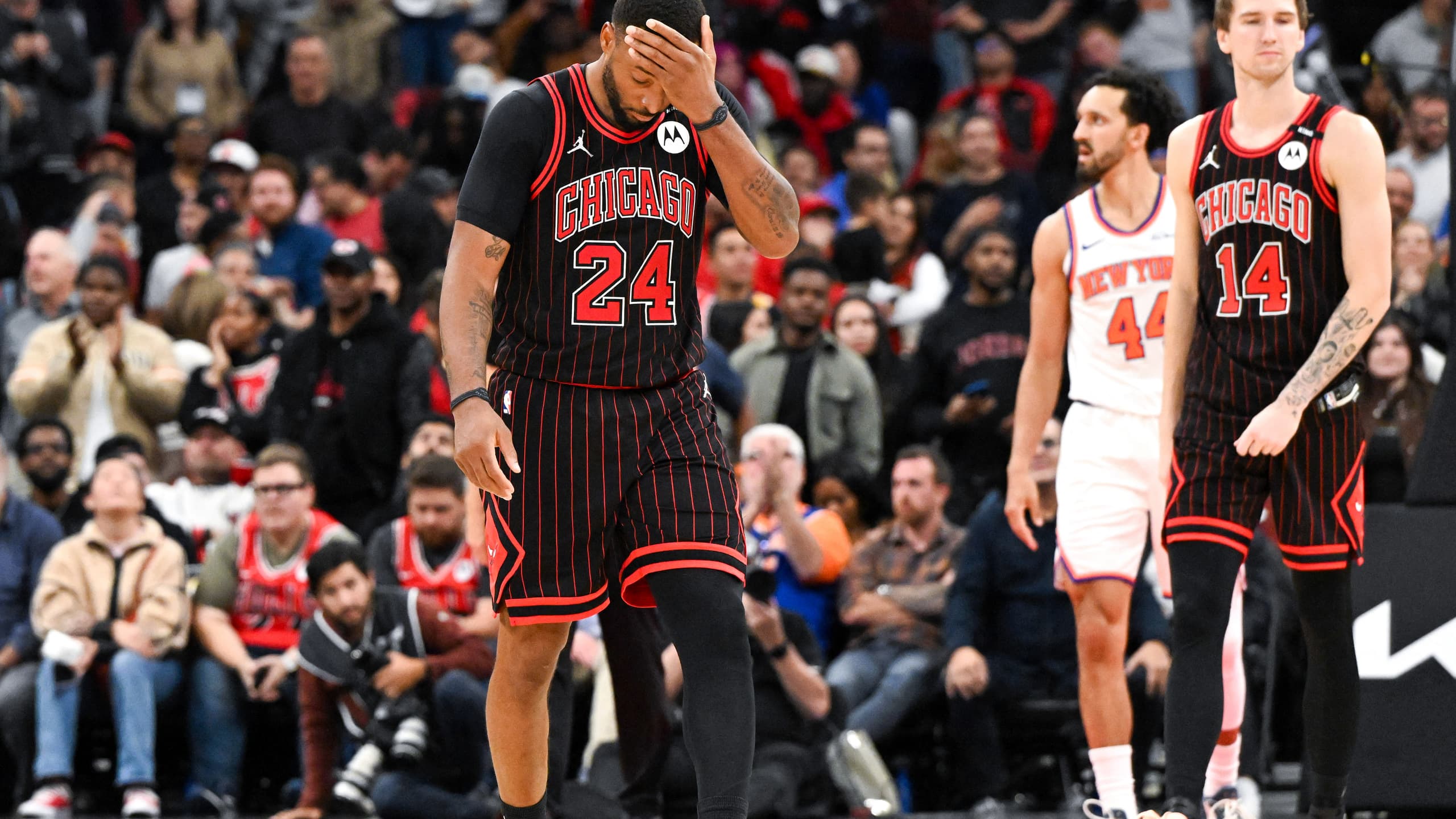
The final score will sting on the morning commute. A loss to New York always does. But strip away the noise of one bad quarter, and the tape tells a different story - one of a Bulls team that competed, adjusted, and refused to fold against one of the East's toughest outs. The Bulls Loss To Knicks Hides Real Growth For Chicago is the headline nobody wants to write, but it's the one the film room demands.
We've seen this movie before - the kind of loss that used to spiral into a twenty-point blowout by the fourth quarter. Not this time. Chicago came out swinging. It dictated pace and forced New York into uncomfortable half-court possessions. The ball moved. The cuts were sharp. The defensive rotations arrived on time. That's not luck. That's a young core executing a game plan under pressure.
The First-Half Punch Was No Fluke
The opening frame was a statement. Chicago pushed tempo off made baskets, attacked mismatches early in the shot clock, and turned New York's half-court sets into contested, late-clock heaves. The Knicks' runs came, as they always do - New York doesn't get steamrolled at home - but the Bulls answered with a composure that simply wasn't there a season ago. Growth shows up in the response, not just the result.
This is where the Bulls Loss To Knicks Hides Real Growth For Chicago becomes more than a talking point. Last season, a Knicks run like the second-quarter surge would have been a knockout. This time, it was a speed bump. The answer came fast: a re-set offense, a hard cut to the rim, a defensive stop on the other end. That's maturity you can't fake.
Where the Game Slipped - and Why It's Fixable
The third-quarter lull is the easy headline, but look closer. Turnovers in bunches and a stretch of missed second-chance opportunities let New York crawl back. Those are effort-and-focus errors, not talent gaps. For long stretches the Bulls won the paint battle and generated quality looks they simply didn't convert. Shooting variance is a visitor; decision-making is a resident. Fix the decision-making, and this game flips.
> 📊 The third quarter was the swing - Chicago's turnover surge and missed put-backs handed New York the momentum it needed, and those buckets were the difference on the final scoreboard.
The fixable stuff is the encouraging part. Rotation assignments held. The defensive shell stayed intact. The Bulls forced New York into mid-range looks and kept the glass battle close - the kind of margins that decide playoff games in May. Per NBA.com's official game data, late-game possession efficiency has been trending up for Chicago all season, even as the win column lags behind. That gap is the story.
Table: Chicago's Growth Indicators This Season
| Metric | This Season | Priority Level |
|---|---|---|
| Half-court point differential in 4th quarter | Climbing | High |
| Defensive breakdowns in final 5 minutes | Declining | High |
| Bench energy and deflections | Rising | Medium |
| Turnover-driven opponent runs | Fixable | Critical |
> 📊 Contending teams win the margins - Chicago's late-game efficiency trends up even as the standings lag. Numbers that move the right way matter more than one bad night.
The Bench Kept Chicago Alive
The second unit didn't just hold serve - it bought the starters breathing room when New York tried to break the game open. Energy, deflections, hustle plays on the offensive glass. That's the margin between a blowout and a barn-burner, and Chicago owned it for most of the night. When the starters rested, the floor didn't collapse. That's a luxury this franchise hasn't had in years.
The Real Growth Is in the Margins
Contending teams are built in games like this - the single-digit road losses against playoff-caliber opponents. The Bulls are learning to lose smart before they learn to win consistently, and the indicators point the right way: better shot quality, fewer defensive breakdowns late, and a locker room that's frustrated rather than resigned. That's a culture shifting in real time.