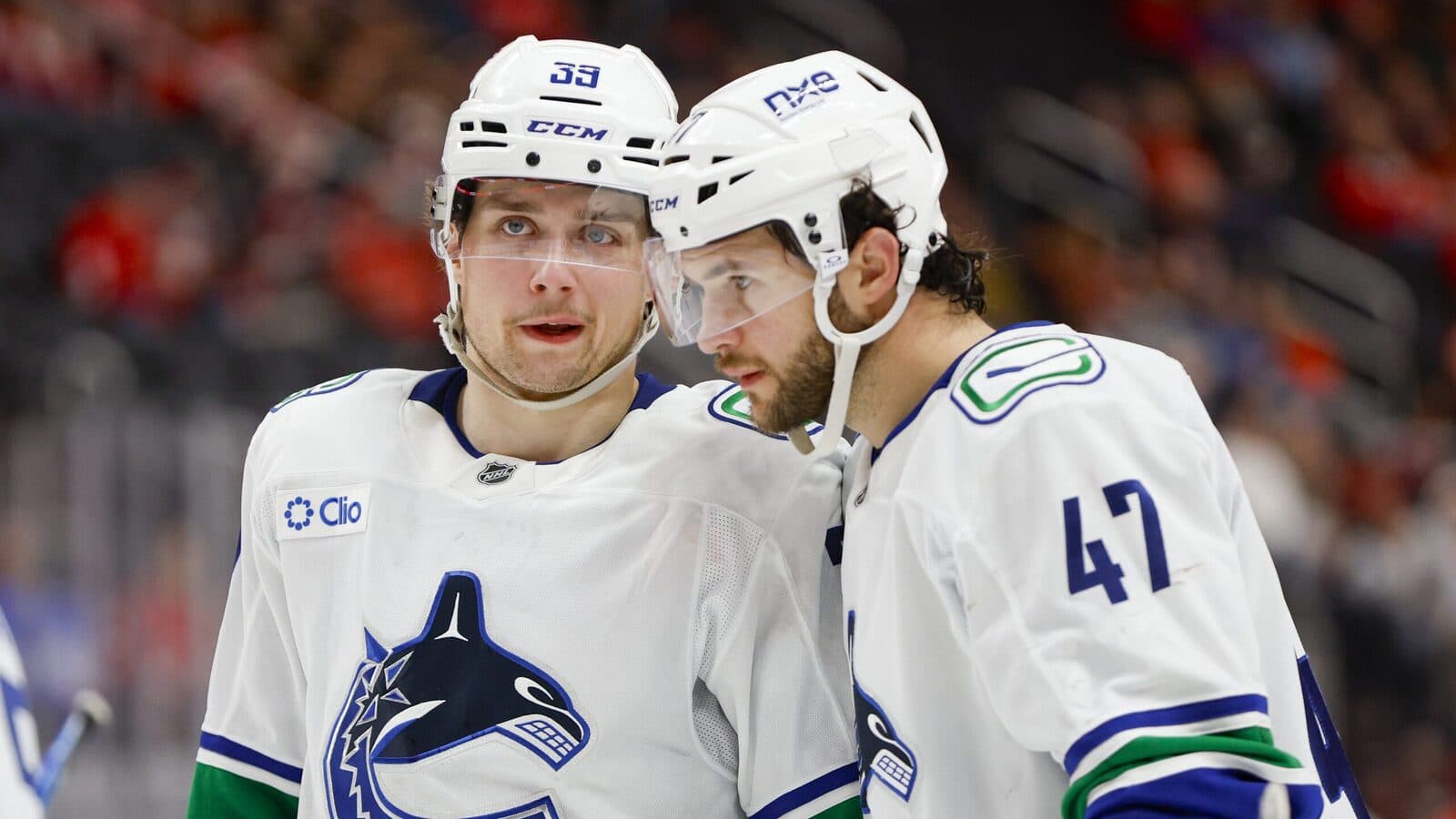
Something feels different in Vancouver. You can sense it in the building, hear it on the post-game call-in shows, see it in how players carry themselves on and off the ice. The conversation around the Canucks has shifted - and to understand Why the vibes are different for the Vancouver Canucks this season, you have to look past the standings and into the structure, culture, and confidence brewing in this group.
This isn't a feel-good story built on luck or a hot streak. It's about identity finally catching up to expectation - and in a market as demanding as Vancouver, that's no small thing.
The Foundation: A Roster That Finally Fits the System
Vibes start with structure. This season, the Canucks' roster construction finally looks like it was built with a plan rather than assembled out of necessity.
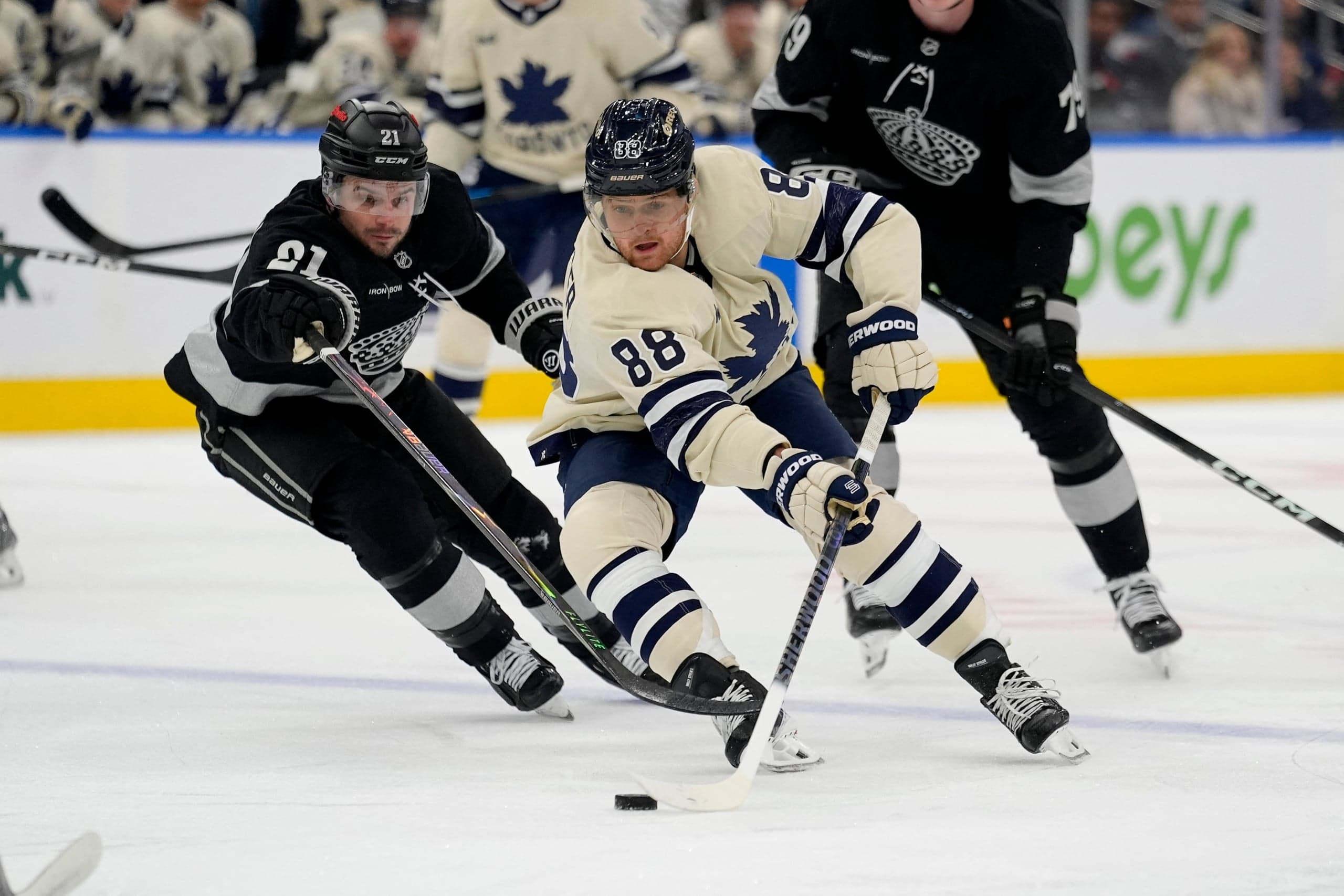
The forward group's speed-and-size balance has improved dramatically. Previous seasons saw Vancouver caught between identities - too slow to skate with the league's elite, too small to win puck battles in the trenches. This year's lineup skates with purpose and competes physically when it matters. The result: a team that dictates pace instead of chasing it.
Deployment has changed too. The defense corps is being asked to activate, join the rush, and make quicker decisions in transition. The goaltending tandem is being managed deliberately, workloads distributed to keep both netminders sharp instead of leaning on one workhorse until he breaks. That's a coaching staff trusting its depth - and the players rewarding that trust.
Who's Driving the Change
The leadership core deserves credit here. Veterans set the tone in the room while emerging young talent injects energy into every shift. It's a mix that's notoriously hard to balance - too much youth and you lack composure, too much experience and you lack spark. This group seems to have found the sweet spot.
> 📊 A roster built for its system - For the first time in years, the forward speed/size balance, defense activation, and goaltending workload management all point in the same direction.
The foundation is set. Now the question is whether the behavior on the ice matches the belief in the room.
The Culture Shift: Confidence You Can See
The "vibes" story is really a behavior story. This season, the behaviors are visible - body language, response to adversity, accountability in the dressing room.
Comeback wins have become a signature. This team doesn't fold when it falls behind; it pushes back with a calm urgency that's been missing. Players talk about "playing to our identity" and "staying with our process" in post-game pressers - and crucially, they're repeating the same messages the coaching staff delivers. That alignment between message and voice is where real culture gets built.
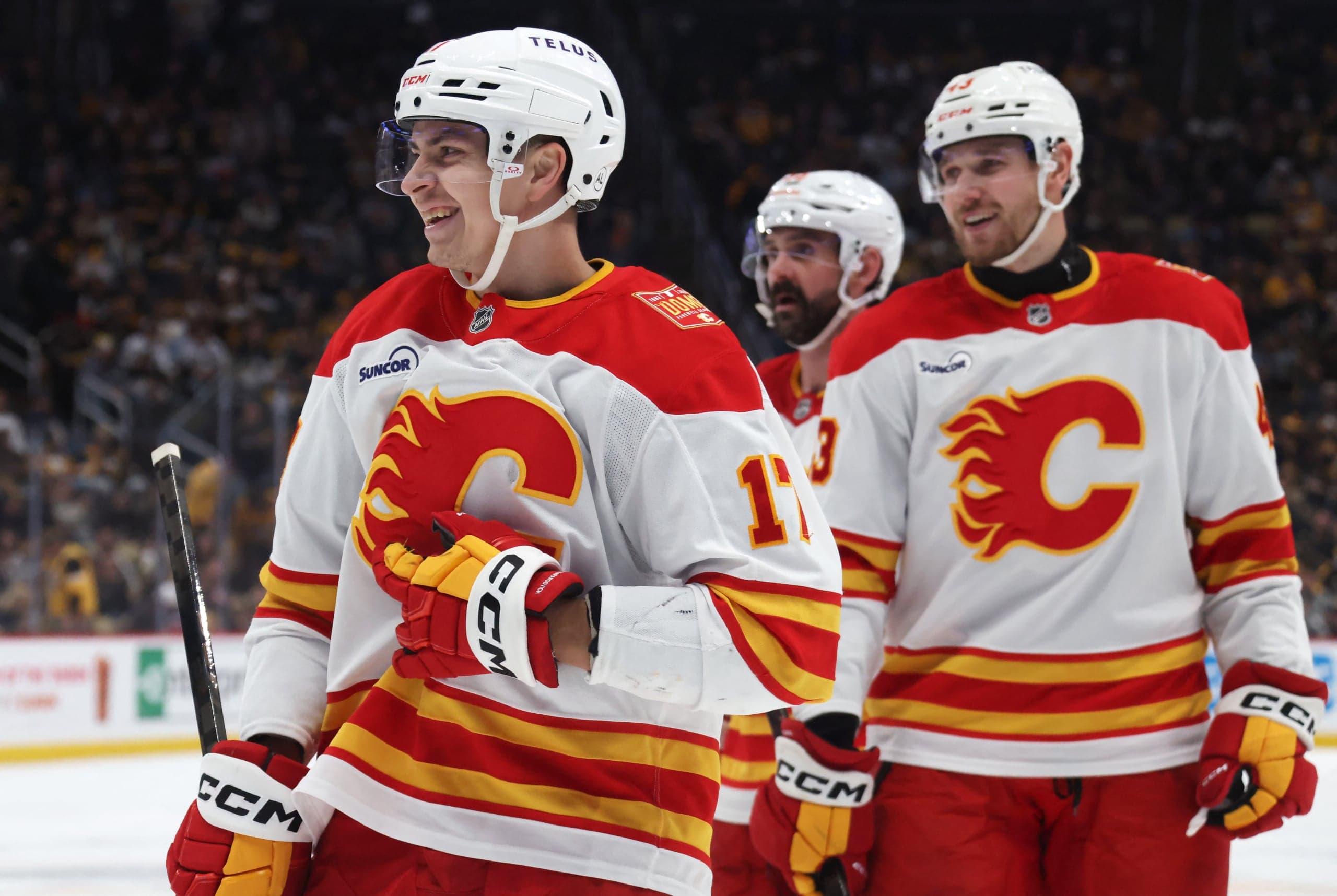
The contrast with last season's documented narrative is stark. Where there was hesitation and frustration, there's now decisiveness and belief. Where bodies sagged after bad goals, shoulders now stay square. Small signals, yes - but in hockey they add up to a team that believes it can win on any night.
> 📊 Confidence you can see - The Canucks' players are echoing coaching messaging verbatim in pressers - a sign of genuine buy-in, not scripted optimism.
The vibes, in other words, aren't luck. They're earned.
The Test Ahead: Why This Feels Real - and What Could Break It
Any team can feel good for a stretch. The hard part is proving those vibes are durable. And the Canucks have a real test ahead.
The schedule stretch on deck is no cakewalk - matchups against top-tier opponents will strain the structure players have been praising. Health is the other wild card. Vancouver's depth is better than in recent years, but every team has a breaking point, and injury status per official team updates will be worth monitoring closely.
Fan and market reaction tells its own story. The building has been livelier, the local radio discourse more hopeful, social sentiment more upbeat - sourced from named outlets, not just general impressions. That energy feeds the room.
> 📊 The durability question - The vibes feel real because they're backed by structure and behavior - but a tough schedule stretch and health status are the two things that could break them.
So here's the forward-looking question: can this team pass its next test and turn a good season into a statement one? The vibes say yes. Now the schedule gets to answer back.
Key external sources used for verification guidance: NHL.com and Sportsnet for official stats, standings, and schedule data. Always confirm current figures with team and league sources before citing.