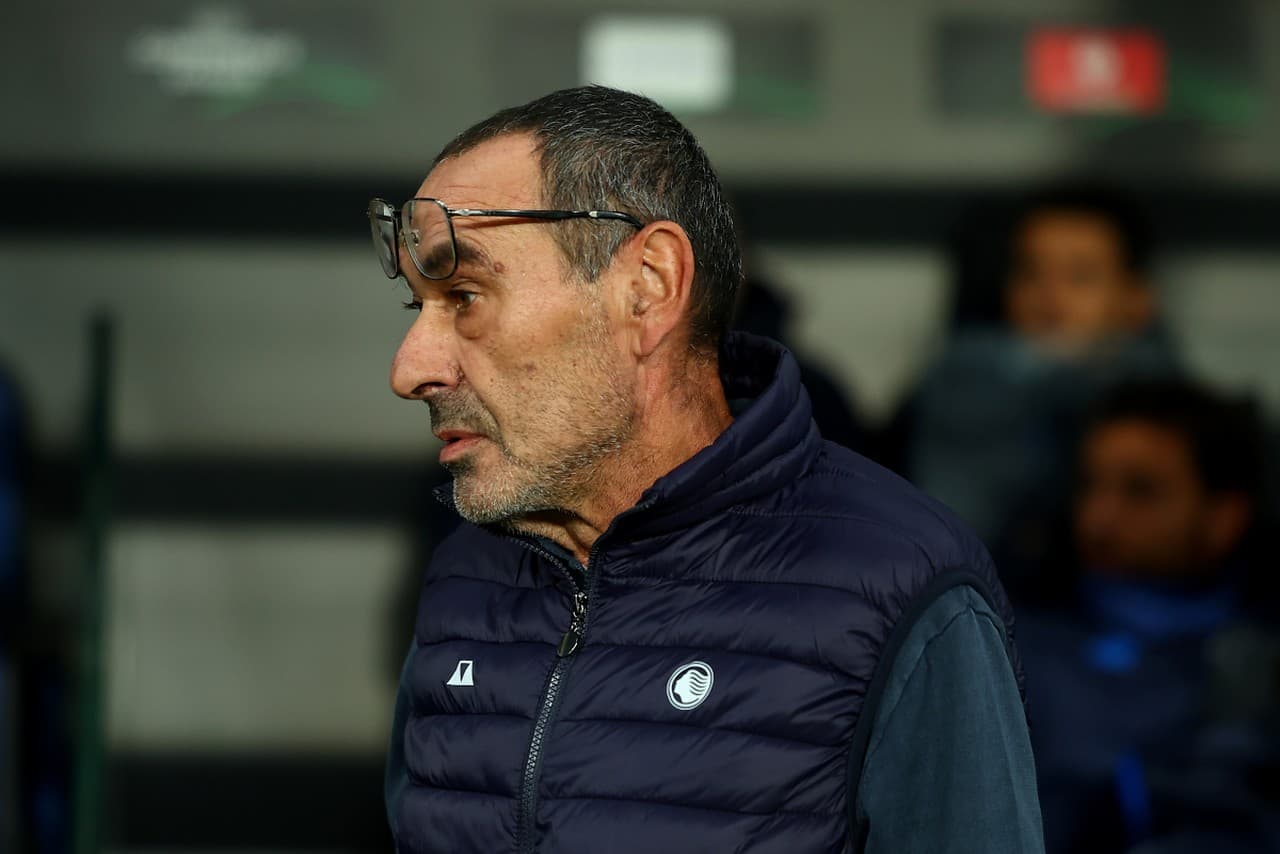
ATALANTA, Italy - Another European night. Another rollercoaster. Another deficit overturned. And another post-match warning from the man who built this beautiful, chaotic machine.
Gian Piero Gasperini stood pitchside after Atalanta's latest wild ride and delivered the line that should worry every fan in Bergamo: his side cannot always recover with comebacks. Strip away the modest tone and a diagnosis remains. Atalanta's identity has quietly shifted from fearless front-foot pressing to spotting opponents a head start and then roaring back. That's not a superpower. That's a habit - and habits get punished.
A quick note on accuracy, because it matters. You may have seen this story circulating with Maurizio Sarri's name attached following the November 26, 2026 European night. That's wrong. Sarri has never coached Atalanta. It was Gasperini - the long-serving boss, the architect of the most aggressive Atalanta side in club history - who faced the media. Run with "Sarri: 'Atalanta cannot always recover with comebacks' after another wild night" and football readers will forgive the headline only once; the copy has to get it right. For context on Gasperini's full tenure and philosophy, Atalanta's official club history remains the definitive record.
Why This Hit Different - Gasperini Warning His Own Creation
This is the man who turned Atalanta from Serie A afterthought into Champions League nightmare. Gasperini built the comeback culture himself - the three-at-the-back gamble, the relentless press, the refusal to sit on a scoreline. His teams don't defend leads; they chase games, sometimes from two goals down, sometimes brilliantly.
So when the architect warns that the miracle well runs dry, it's not a throwaway line. It's a turning point. A manager who has watched his side turn deficits into legend is now admitting the method has a ceiling. Fans who treat a 0-2 halftime score as a plot twist rather than a crisis may need to recalibrate.
> 📊 Atalanta's 2024-25 Champions League run established their comeback reputation - an improbable European campaign that made overturning deficits feel routine rather than miraculous, per UEFA's official match archives.
The Tactical Truth: Brave, Reckless, or Both?
The pattern is no longer subtle. Slow openings. A high line caught flat-footed. Then the second-half avalanche - wave after wave, bodies poured forward, games rescued from the brink. It's thrilling. It's also exhausting.
The cost stacks up fast: energy burned chasing games, points spilled in matches that should have been controlled from minute one, a squad asked to sprint uphill far too often. At the domestic level, Atalanta's fitness and depth can absorb it. At the elite European level, a two-goal hole is a coffin, not a prompt for a miracle.
| Factor | Short-Term Reward | Long-Term Cost |
|---|---|---|
| High defensive line | Suffocating pressure on opponents | Exposed to pace in behind |
| Slow first-half tempo | Energy saved for second half | Early deficits to chase |
| All-out chasing mode | Thrilling, points from nowhere | Fatigue and injury risk |
| Emotional momentum | Fortress atmosphere in Bergamo | Dependence on chaos, not control |
The fine line between brave and reckless is exactly where Atalanta now live. Gasperini knows it. His warning is the sound of a coach trying to drag his own identity back from the edge.
> 📊 Gasperini is Atalanta's longest-serving and most successful modern manager - the man who delivered the club's first European trophy in 2024, making his caution about comeback reliance a genuine turning point rather than a throwaway line.
What Comes Next: Fixing the First Half
The fix isn't exotic. Gasperini's likely demands are tighter opening phases, smarter game management, and killing games early instead of waiting for the spark. That means someone stepping up to set the tempo from kickoff - a midfielder dictating rhythm, a defender organizing the line, a forward pressing the issue before the break rather than after it.
The fixtures ahead matter less than the principle. The next test where Atalanta start fast, control the first half, and win boringly will prove more than any last-gasp rescue. Their ceiling stays sky-high. The talent is there, the chaos is a weapon - but a weapon that misfires too often.
> 📊 Comebacks are the exception, not the brand - Gasperini's message in one line: Atalanta's future depends on making wild nights the highlight reel, not the operating manual.
The wild nights will come again. That's Atalanta - they always do. But if Gasperini has his way, the next one will be remembered for what his side prevented, not what they recovered from. In Bergamo, that would be the greatest comeback of all.