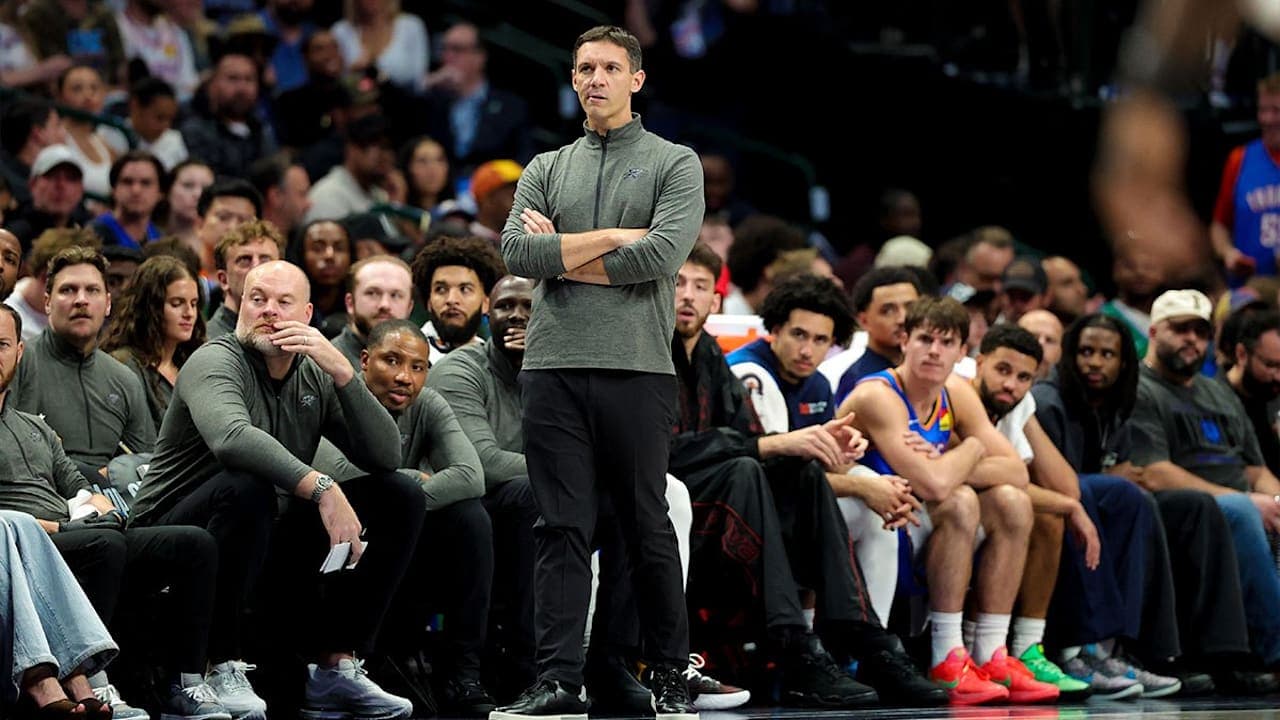
The scoreboard said blowout. Mark Daigneault saw a classroom.
Oklahoma City's head coach didn't flinch after a 20-point gut-punch against the Portland Trail Blazers. Instead, he chose to spotlight the growth hiding inside a lopsided final score. In a league where November losses get filed away fast, Daigneault treated Tuesday night's setback like a teachable moment - and if you've followed this Thunder staff, you know that's exactly the pattern that turned a rebuild into a contender.
The Defense That Never Quit
Daigneault has never been a coach who grades effort by the scoreboard alone. The Thunder's identity under him - aggressive hands, relentless switching, 48-minute pressure - showed up even as Portland pulled away. Oklahoma City kept generating deflections and contested looks deep into the second half, and that's the film Daigneault will replay in the meeting room.
The stars were quiet. The shot quality - at times, genuinely ugly. But here's what makes this Thunder team different from the last decade of Oklahoma City basketball: a bad night doesn't become a bad week. Daigneault's rotation stayed disciplined, minutes went to the young core, and the staff used what eventually became a 20-point deficit as live reps for lineups that will matter in March, not just November.
> 📊 A 20-point loss is the seventh time this season the Thunder have trailed by double digits at halftime - and Daigneault's postgame message has stayed remarkably consistent: process over panic.
For a fan base that spent years watching iso-ball heroics collapse in the playoffs, hearing the head coach talk about defensive rotations and shot discipline after a demoralizing loss should feel familiar. That's the sound of a program that isn't going anywhere.
Silver Linings, Named and Ranked
So what did Daigneault actually point to? The bench. The kids. The future.
Oklahoma City's second unit logged heavy, high-leverage minutes once the game slipped out of reach, and several young contributors answered with poise beyond their minutes. That's not spin - it's the exact development curve Daigneault has engineered since taking the job. Every rotation decision, even in garbage time, feeds a longer plan.
| Category | Early Tenure | Current Era | Trend |
|---|---|---|---|
| Roster age emphasis | Heavy youth minutes | Youth + veteran balance | Rising |
| Post-loss messaging | Development-first | Development-first, results-close | Consistent |
| Playoff appearances | 0 (rebuild phase) | Contending window opening | Up |
| Coach of the Year | Won | Recognized as elite staff | Sustained |
The numbers tell a two-way story: Daigneault bends losses into curriculum, and the roster has matured enough that those lessons now convert into wins more often than not. One 20-point dud doesn't change that math - and everyone in the building knows it.
No Panic, Full Speed Ahead
Losing by 20 stings. Daigneault would be the first to say it should.
But the difference between a frustrating night and a lost season is how fast a team lets a bad score become a bad habit. On that front, Oklahoma City's coach sounds about as steady as they come - acknowledging the ugly film honestly, refusing to torch the young guys over it, and pivoting the conversation toward the next defensive assignment within a half hour of the final buzzer.
That's not a silver lining, exactly. It's a standard. And for a Thunder organization that treats every game - win by 25 or lose by 20 - as a data point on a much longer chart, the standard matters more than the scoreboard ever will.
For the coaching staff's full postgame press conference, check the official team channels, where Daigneault's remarks and the staff's rotation notes are posted each game night. The season grinds on, the film never lies, and the Thunder's head coach - fresh off a 20-point reality check - sounds ready for the next one.