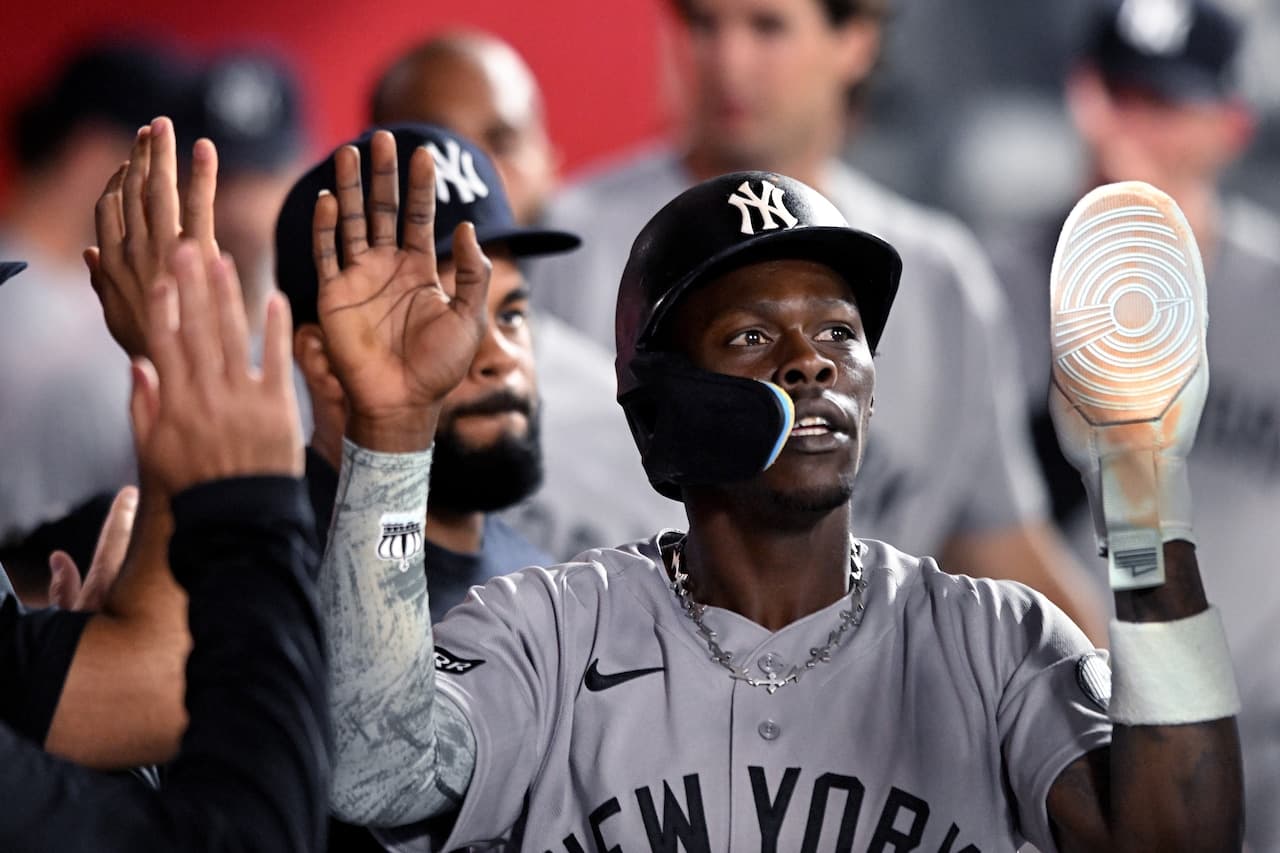
The New York Yankees are closing in on yet another October run. But a familiar problem keeps nagging at the edges of their roster. Jazz Chisholm Jr. - electric, toolsy, and currently patrolling center field - has drawn a pointed suggestion from none other than former Yankees manager and current YES Network analyst Joe Girardi.
With the postseason looming, Girardi went on the record this week. He believes the Yankees should consider moving Chisholm back to the infield dirt - specifically to third base - to stabilize a defense that has wobbled down the stretch. It's the kind of veteran, outside-the-box take that only a manager-turned-analyst would dare float this late in the year.
Here's what Girardi's suggestion actually means, why it's gaining traction, and the ripple effects it could have on the Yankees' playoff blueprint.
Why Girardi Wants Chisholm Back on the Infield
The Case for Third Base
Girardi's logic rests on two things: defensive reliability and Chisholm's natural athleticism. Since arriving in the Bronx, Chisholm has bounced between second base and center field. That position-switching act has made him a Swiss Army knife - but also a player without a permanent home.
Come October, Girardi argues, defensive miscues in the outfield grass can cost a series. Third base is different. It's a spot where Chisholm's quick-twitch reactions and plus arm could play up - especially with the Yankees' corner infield depth looking thin.
The idea isn't purely sentimental. Girardi managed Chisholm's predecessor-era rosters and knows what playoff baseball demands: sure hands, clean transfers, and no wasted outs. He sees Chisholm as a potential answer rather than a question mark.
📊 Chisholm has logged meaningful innings at both second base and third base during his career - a versatility that makes Girardi's suggestion more than just talk-radio fodder.
What It Signals About the Yankees' Roster
A positional switch this late isn't just about one player - it's a referendum on the roster construction. If Girardi is publicly floating a move, it hints that the Yankees' internal options at third and in center aren't entirely settled.
It also speaks to how much the organization trusts Chisholm's adaptability. Not every player can flip between the infield and outfield on a week's notice, let alone in a playoff push. That Girardi feels comfortable suggesting it is its own kind of endorsement.
| Position | Primary Role | Defensive Value |
|---|---|---|
| Second Base | Natural infield spot | Strong range, quick turns |
| Center Field | Outfield conversion | Elite speed, plus arm |
| Third Base | Proposed playoff fit | Reactive quickness, strong throw |
The Risks - and Rewards - of a Late-Season Positional Shuffle
Chemistry vs. Comfort
Moving a player days before the playoffs is a gamble. Defensive reps take time to accumulate, and muscle memory doesn't reset on command. Chisholm has logged meaningful innings at third before, but "before" isn't "right now."
The flip side? Playoff baseball rewards versatility. A player who can plug three holes lets a manager manipulate matchups, pinch-hit freely, and protect a lead without burning the bench. If Chisholm thrives at third, the Yankees gain tactical flexibility they currently lack.
What It Means for Chisholm's Role
For Chisholm personally, the suggestion is a compliment wrapped in pressure. It says the team views him as a solution, not a specialist - a guy whose bat and glove are too valuable to leave parked in one spot.
It also sets up a fascinating subplot: if the move works, Chisholm's October could redefine how the Yankees deploy him for years. If it backfires, Girardi's commentary becomes a talking point the moment a ground ball skips through.
📊 Playoff defense is where series are won or lost - one misplayed grounder in October can swing a season, which is exactly why Girardi's timing matters.